



Sound Transit, INIT Launch New ORCA Fare Collection System
The new ORCA system will improve the customer experience by delivering real-time account management, facilitating new payment options, maintaining customer data security, and enabling the future use of mobile devices to pay fares.
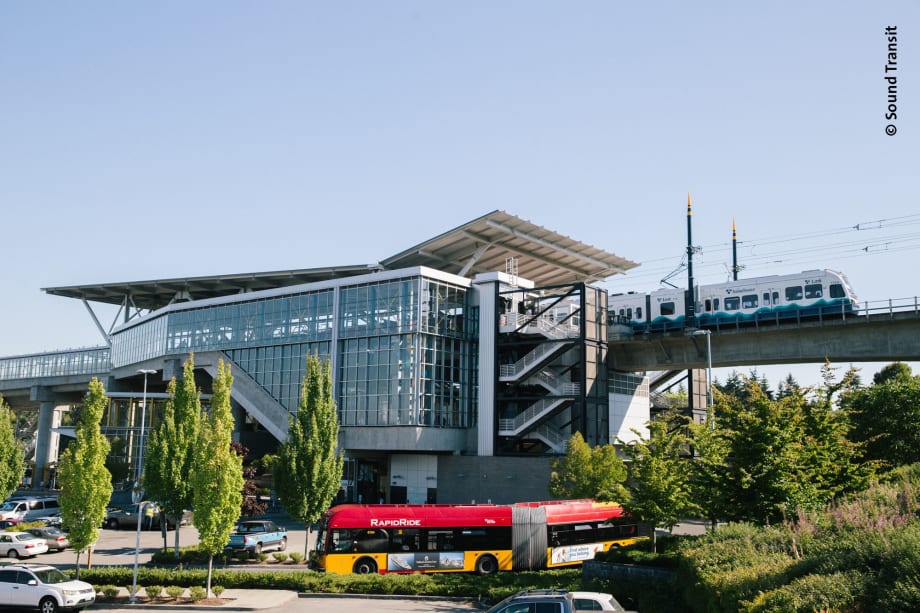
The ORCA fare system spans multiple modes of transportation, including fixed-route buses, light rail, commuter rail, streetcars, ferries, and water taxis.
Sound Transit
Sound Transit, along with six regional transit partners, launched the new ORCA electronic fare system from INIT Innovations in Transportation Inc. The new ORCA system will improve the customer experience by delivering real-time account management, facilitating new payment options, maintaining customer data security, and enabling the future use of mobile devices to pay fares.
The ORCA fare system spans multiple modes of transportation, including fixed-route buses, light rail, commuter rail, streetcars, ferries, and water taxis. The improved ORCA system was delivered by a regional team led by seven stakeholder agencies: Community Transit, Everett Transit, King County Metro, Kitsap Transit, Pierce Transit, Sound Transit, and Washington State Ferries.
The core of the new ORCA system is MOBILEvario, INIT’s back-office fare management and processing software. MOBILEvario will recognize and process revenue sharing for each of the seven partner agencies, manage accounts, and automate reconciliation.
“We are excited to bring this new and improved ORCA system, website, and mobile app to the millions of ORCA customers in the Puget Sound,” says Brittany Esdaile, Director of ORCA. “The new system will be faster and more convenient with real-time value loading. We are eager to continue improving ORCA for our customers in the coming years, including adding a smartphone tap-to-pay option.”
INIT fare validators are onboard local and regional buses and located at stations for easy tap and go boarding. They are PCI (Payment Card Industry)- and EMV (Europay, MasterCard® and Visa®)-certified for the acceptance of contactless cards as well as virtual cards stored in a mobile app. In addition, INIT validators are certified “Visa Ready for Transit” and wear the ITxPT (Information Technology for Public Transport) label ensuring the hardware is built with an open architecture design and facilitates interoperability between IT systems.
INIT’s state-of-the-art Ticket Vending Machines (TVM) are in place at stations throughout the region and will be transitioned into service over time as the legacy TVMs are phased out. The process will help in making the changeover easier for customers during the adoption period.
More Technology

From Hardware to Digital Partner: Luminator Charts Its Next Chapter
CEO Magnus Friberg discusses Luminator’s shift toward becoming a digital partner, the growing importance of software and interoperability, and how AI can help agencies improve operations and passenger experience.
Read More →
Beyond the Checklist: A Structured Approach to Transit Maintenance
Reliability-Centered Maintenance helps transit agencies move beyond routine checklists to focus limited resources on the assets and failures that have the greatest impact on safety, reliability, and service.
Read More →
NJ TRANSIT Advances Bus Technology Upgrades Across Statewide Fleet
More than 1,500 buses now feature upgraded technology designed to improve arrival predictions and provide free Wi-Fi, with deployment expected to reach nearly 2,000 buses by the end of 2026.
Read More →

Building a Flexible Path to Transit Electrification
John Hroncich discusses BAE Systems’ modular and scalable approach, lessons learned from decades of real-world operations, and how agencies can identify electrification strategies that fit their fleets.
Read More →
Biz Briefs: Alstom Lands Canadian Contract, LYT to Supply California TSP, and More
In METRO's latest installment, we take a look at recent news from Complete Coach Works, Beep, FlixBus, and more partnerships making headlines across the transportation sector.
Read More →
From Legacy Silos to Conversational Intelligence
What if transit leaders could ask any operational question and get a trusted answer in seconds? Conversational AI is transforming how agencies use their data.
Read More →
USDOT Announces Rail Vehicle Replacement Grants, Chattanooga AV Shuttle Funding
More than $191 million in federal funding will help three transit agencies replace aging rail vehicles and support a new autonomous shuttle service in Chattanooga.
Read More →
Bus Tech Talk: Keeping Transit Technicians Ahead of the Technology Curve
LA Metro’s Obed Mejia discusses technician training, evolving maintenance technology, fleet replacement, and strategies for getting the most out of today’s transit fleets.
Read More →
Biz Briefs: RIPTA Unveils New Frontrunners, Clevland RTA Adds New Siemens, and More
In METRO's latest installment, we take a look at recent news from Siemens, Prevost, Dodge, and more partnerships making headlines across the transportation sector.
Read More →
Why Simulating Pedestrian Movement Has Become Essential for Modern Rail Stations
Pedestrian microsimulation is helping rail planners identify bottlenecks, test station designs, and prepare complex transit hubs for growing passenger volumes.
Read More →