



DART Teams with Tolar to Upgrade Bus Stop Shelters
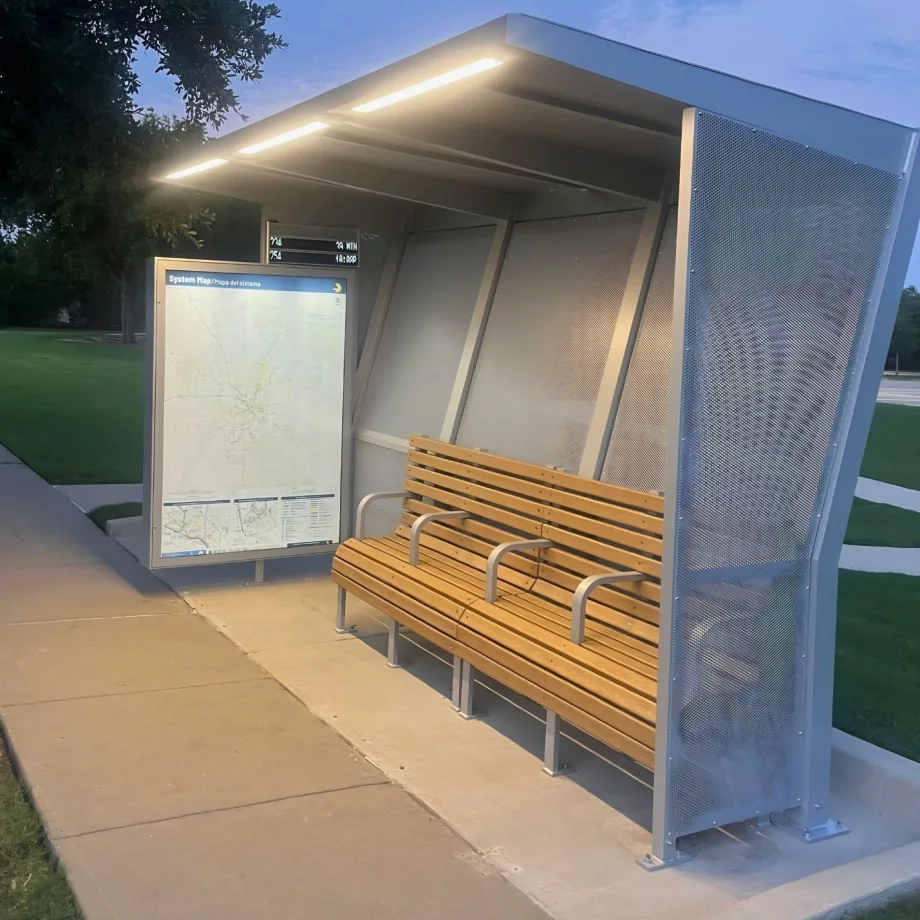
Officials said the project delivers a fully integrated passenger environment featuring improved solar-powered LED lighting, real-time arrival information, and a precision-engineered shelter designed to withstand the Texas climate.

Surveys of more than 4,200 riders conducted during the design phase found that over 90% considered the proposed shelter design an improvement over existing stops.
Tolar Manufacturing Company
- Tolar Manufacturing Company has partnered with Dallas Area Rapid Transit (DART) to provide new custom bus shelters under a contract worth up to $71.5 million.
- The project features solar-powered LED lighting, real-time arrival information, and shelters engineered for the Texas climate.
- The collaboration aims to enhance the rider experience and modernize transit stops in the DART service area.
*Summarized by AI
Tolar Manufacturing Company is partnering with Dallas Area Rapid Transit (DART) to supply new Signature Custom bus shelters as part of a contract that authorizes up to $71.5 million to modernize transit stops across the DART service area.
Officials said the project delivers a fully integrated passenger environment featuring improved solar-powered LED lighting, real-time arrival information, and a precision-engineered shelter designed to withstand the Texas climate.
“Tolar Manufacturing brings an impressive level of innovation and craftsmanship to our bus stop amenities program,” said Brandi Stringer, director of mobility capital projects at DART. “Their commitment to enhancing the rider experience aligns seamlessly with our mission, and we’re excited to partner with them as we work to deliver a better transit experience for the communities we serve.”
Impact of New Bus Shelters
The improvements are in line with the recent study released by the American Public Transportation Association, which showed that investment in public transportation delivers strong taxpayer returns, including jobs created, tax revenue generated, improved access to jobs and healthcare, reduced congestion, and lower household transportation costs, DART officials said. Surveys of more than 4,200 riders conducted during the design phase found that over 90% considered the proposed shelter design an improvement over existing stops.
Tolar is providing eight-, 10-, and 12-foot Signature Custom shelters, a purpose-built solution that merges architectural distinction with high-performance functionality.
The shelter features an angled roof with Alucobond composite panels secured by gasketed pressure ribs, delivering a clean, weather-sealed profile that withstands sustained use. Perforated aluminum walls and angled support posts provide structural integrity while maintaining open sightlines that support passenger safety. HDPE slat benches with backs and armrests, a trash receptacle, and a static passenger information display complete the passenger environment. Meanwhile, bus stop pole lighting and steel strap benches round out the amenities portfolio.
“DART riders deserve bus stop amenity infrastructure that works as hard as they do, and that’s exactly what this program delivers,” said Patrick Merrick, executive VP at Tolar Manufacturing Company. “From the solar-powered lighting to the remote monitoring capabilities built into the shelters, we’ve engineered a system that performs around the clock and gives DART the tools to keep it that way. Partnering with Urban Solar, WaySine, and L.A.W. Contracting to execute DART’s vision allows us to bring together best-in-class expertise at every layer of this project, and we’re proud to see that come together at this scale.”
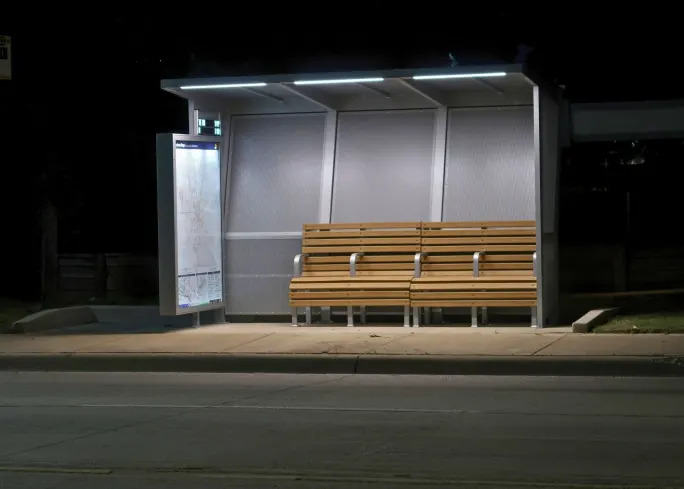
Tolar integrated solar-powered LED lighting through partner Urban Solar, embedded into the shelter roof to provide consistent passenger-level illumination without reliance on grid connections.
Tolar Manufacturing Company
Modern Touches
Tolar integrated solar-powered LED lighting through partner Urban Solar, embedded into the shelter roof to provide consistent passenger-level illumination without reliance on grid connections. Each shelter also incorporates WaySine’s Real-Time Information System (RTIS), displaying live bus arrival data at the point of passenger need.
Both systems are connected to a remote monitoring platform that provides DART operations staff with continuous, network-wide visibility and automatically alerts the agency when a display or solar component needs attention, so technicians can be dispatched quickly and efficiently before service gaps reach the rider.
Quick Answers
The contract authorizes up to $71.5 million for the modernization of transit stops across the DART service area.
*Summarized by AI
More Technology
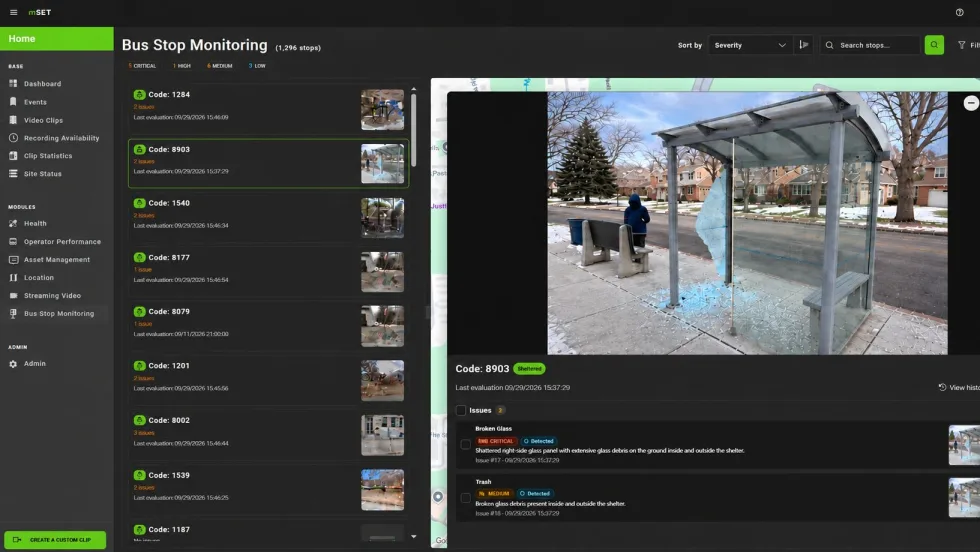
Biz Briefs: Luminator Launches AI Technology to Monitor Bus Stop Conditions and More
In METRO's latest installment, we also take a look at recent news from Masabi, Troman Industries, ioki, CCW, and more partnerships making headlines across the transportation sector.
Read More →
Public Transit Conference Returning to GFX in 2027, Call for Papers Now Open
The Call for Papers is now open, allowing transit agency professionals and industry experts to help shape the PTC educational program by submitting session ideas for consideration.
Read More →
ENC Lands MATA Contract and More in Biz Briefs
In this edition of Biz Briefs, we spotlight the latest developments shaping the future of mobility.
Read More →
Strada360’s Steve Lassey on Turning Transit Data Into Better Decisions
From breaking down data silos to preparing for AI, Strada360 CEO Steve Lassey discusses how transit agencies can use technology to improve operations, customer information, and long-term decision-making.
Read More →
Almaviva Looks to Open Architecture to Advance Transit Technology
Eric Reese discusses how interoperability, open architecture, and modular design can help transit agencies control costs, reduce vendor lock-in, and upgrade technology without starting over.
Read More →
Driving Smarter Paratransit
John Hanlon shares how AlphaRoute is leveraging AI-powered technology to help paratransit providers optimize operations, support frontline staff, and enhance the rider experience.
Read More →
From Hardware to Digital Partner: Luminator Charts Its Next Chapter
CEO Magnus Friberg discusses Luminator’s shift toward becoming a digital partner, the growing importance of software and interoperability, and how AI can help agencies improve operations and passenger experience.
Read More →
Beyond the Checklist: A Structured Approach to Transit Maintenance
Reliability-Centered Maintenance helps transit agencies move beyond routine checklists to focus limited resources on the assets and failures that have the greatest impact on safety, reliability, and service.
Read More →
NJ TRANSIT Advances Bus Technology Upgrades Across Statewide Fleet
More than 1,500 buses now feature upgraded technology designed to improve arrival predictions and provide free Wi-Fi, with deployment expected to reach nearly 2,000 buses by the end of 2026.
Read More →
Building a Flexible Path to Transit Electrification
John Hroncich discusses BAE Systems’ modular and scalable approach, lessons learned from decades of real-world operations, and how agencies can identify electrification strategies that fit their fleets.
Read More →