




Via METRO: VIA Motors Sells Class 3 Electric Chassis to Pegasus
VIA Board Adopts $274M Operating Budget
The total consolidated budget in FY23 is $406.6 million ($274 million operating, $132.6M capital) with no fare increases.
October 3, 2022
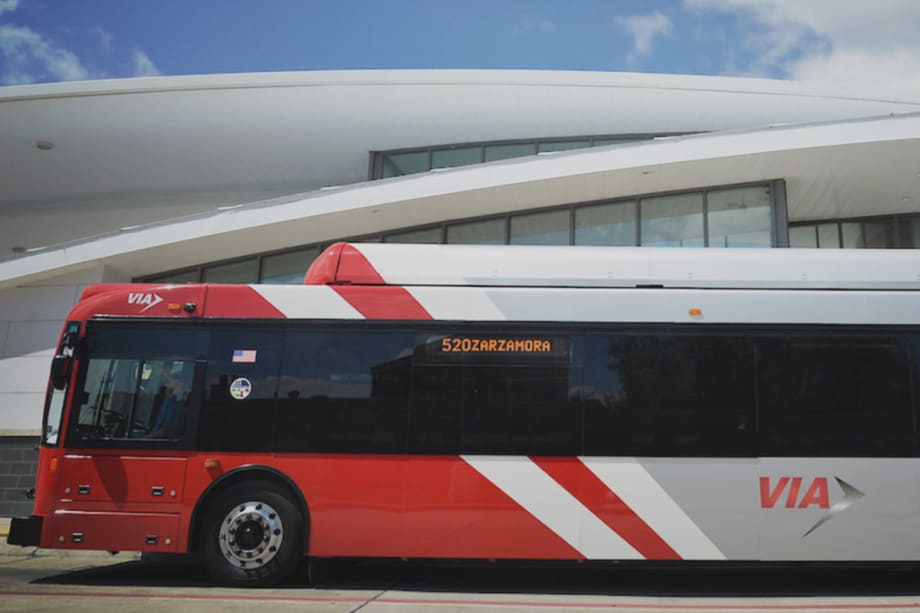
VIA’s Board of Trustees unanimously approved the FY23 Operating Budget and Five-Year Capital Plan.
Photo: VIA
2 min to read
VIA Metropolitan Transit announced its Fiscal Year 2023 budget keeps the agency focused on improvements for mobility in San Antonio, with service adjustments and innovations, and advancing Keep San Antonio Moving (KSAM) projects, including two Advanced Rapid Transit corridors and two new VIA Link zones.
VIA’s Board of Trustees unanimously approved the FY23 Operating Budget and Five-Year Capital Plan. The total consolidated budget in FY23 is $406.6 million ($274 million operating, $132.6M capital) with no fare increases. The new fiscal year began on Oct. 1.
Work related to VIA’s new Advanced Rapid Transit (ART) project will continue with the North/South corridor from the San Antonio Airport, along San Pedro Avenue, through Downtown and south to the Missions area, and a second corridor connecting East to West being developed, according to VIA. The agency said the project is the first in San Antonio to leverage federal dollars in the form of Capital Investment Grants and represents a key focus of VIA’s year-over-year investment increases.
VIA’s $748.4 million Five-Year Capital Plan (FY23-27) includes $499 million, or 67% of the total, to support KSAM. It will allow for the purchase of 17 Prímo buses, 50 compressed natural gas (CNG) buses, and 15 vans in FY23. From FY23-27 VIA said it will add 103 CNG buses and 139 vans. The remainder covers various facilities and other projects.
The FY23 budget was developed looking at a five-year planning horizon, according to VIA.
More Management

Bringing Austin’s First Light Rail System to Life
Austin Transit Partnership CEO Greg Canally discusses the city's nearly 10-mile light rail project, its collaborative approach to project delivery, the importance of community engagement, and the milestones ahead as construction approaches in 2027.
Read More →
ETA CEO John Maglio on Transit Technology, Innovation, and Building Agency Trust
ETA founder and CEO John Maglio explores the evolution of transit technology, the importance of reliable systems, and how stronger partnerships can help agencies improve operations and the passenger experience.
Read More →
Metra Draft Plan Outlines Costs, Service Improvements for Regional Rail
The Systemwide Network Plan identifies infrastructure needs and potential investments to expand all-day, bidirectional rail service across the Chicago region.
Read More →
New Orleans RTA Names Augustine III as New CEO
In this edition, we also spotlight recent personnel moves at HDR, PATH, STV, and more, highlighting the people taking on new roles across the transportation industry.
Read More →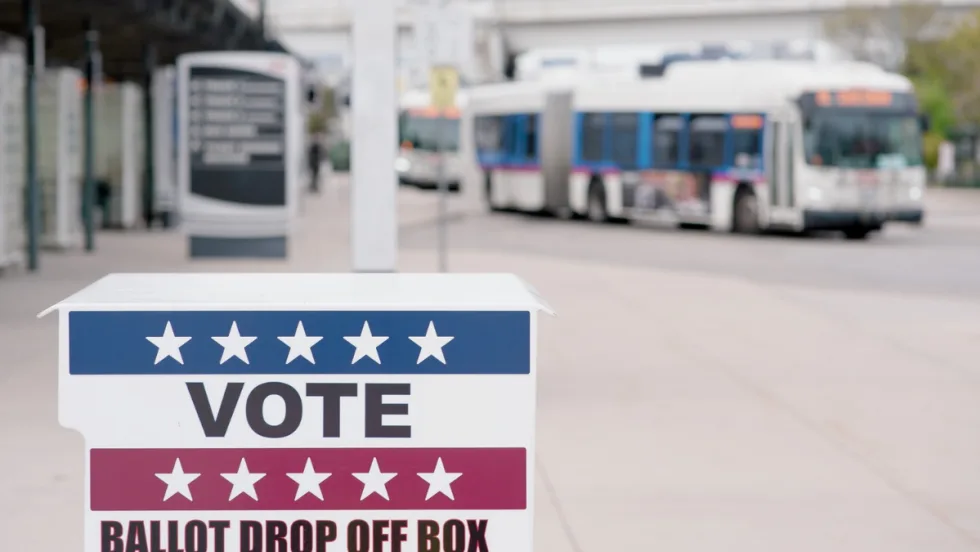
How Transit Agencies Are Using Free Rides to Improve Voting Access
Transit agencies are using fare-free service, trip-planning tools, and targeted rides to improve voting access. See what other agencies can learn from these efforts.
Read More →
Caltrain’s Electrification Drives a New Era of Ridership Growth
The railroad’s shift to electric service has brought more frequent trains, stronger customer satisfaction, and increased ridership, earning it APTA’s Outstanding Public Transportation System award.
Read More →
Chicago, Charlotte Transit Agencies Expand Rider Support Programs
CTA launched crisis intervention teams as CATS prepares to deploy fare ambassadors, expanding customer assistance and security efforts across both systems.
Read More →
New York MTA Launches Historic $1.9B Signal, Track Modernization Project
Funded in part by congestion pricing revenue, the project will replace nearly century-old signals along the A and C lines in Brooklyn and Queens.
Read More →
Brian Dickson on Building Stronger, More Resilient Transportation Organizations
Bus Business Consultants Founder Brian Dickson discusses the leadership principles, operational discipline, and strategic planning that separate transportation companies positioned for long-term success from those stuck in survival mode.
Read More →
LA Metro Breaks Ground on Vermont BRT Project
The 12.4-mile corridor is projected to serve 66,200 daily riders, reduce travel times by up to 24%, and create the nation's busiest bus rapid transit corridor.
Read More →