




Dive Deeper: How New Clean Energy Tax Credits Can Benefit Transit Systems
GreenPower Vehicles Eligible for Commercial Clean Vehicle Credit
GreenPower’s all-electric commercial vehicle models weighing more than 14,000 pounds GVWR are eligible for up to $40,000 in tax credits.
February 22, 2023
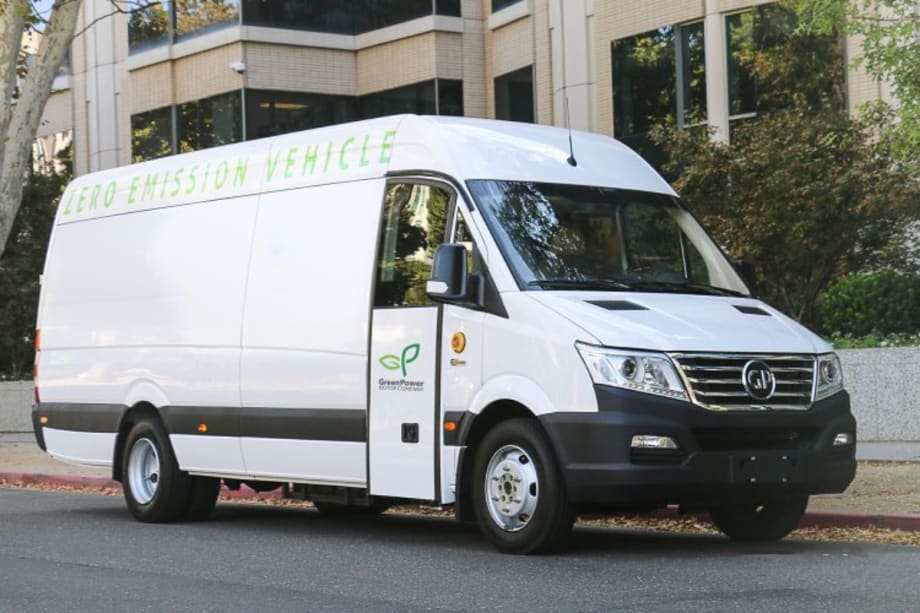
Tax credits for vehicles weighing less than 14,000 pounds GVWR are available for up to $7,500.
Photo: GreenPower
3 min to read
GreenPower Motor Company Inc. announced the company is now a qualified manufacturer for the commercial clean vehicle credit under the Inflation Reduction Act.
GreenPower’s all-electric commercial vehicle models weighing more than 14,000 pounds GVWR are eligible for up to $40,000 in tax credits, according to the company's news release. Tax credits for vehicles weighing less than 14,000 pounds GVWR are available for up to $7,500.
On Jan. 1, 2023, the commercial clean vehicle credit became available to businesses and tax-exempt organizations for the purchase of new electric vehicles to incentivize the adoption of EVs and support domestic production.
Currently, there is no limit on the number of tax credits a business can claim.
“As businesses continue to explore and invest in electrifying their fleets, they need help with costs to accelerate adoption,” said Brendan Riley, president of GreenPower. “By being a qualified U.S. manufacturer, we can proudly provide better, cleaner, and safer transportation alternatives to businesses looking to deploy purpose-built, all-electric vehicles including trucks and cargo vans. With the tax credit, owning an all-electric commercial vehicle will be more affordable in the long run than ICE units, in many cases.”
GreenPower vehicles available for the credit include:
EV Star: A multi-purpose, zero-emission, passenger transportation vehicle with a range of up to 150 miles and dual charging capabilities. The EV Star is the only Altoona-tested vehicle in its class with the highest score of 92.2 and can be used for paratransit, employee shuttles, microtransit, and vanpool service.
EV Star Cab and Chassis: The EV Star remains GreenPower’s flagship vehicle designed to take on any mid-and-last mile delivery while maintaining the benefits of being a zero-emissions vehicle. Classified as a heavy-duty class four mini-bus, the EV Star has a carrying capacity of 6,000 pounds and offers a 118-kWh battery capacity, capable of up to 150 miles of range on a single charge.
EV Star Cargo and Cargo Plus: GreenPower’s EV Star Cargo lineup exceeds delivery needs with a carrying capacity of up to 5,000 pounds, a cargo volume of up to 836 cubic feet, and a driving range of 150 miles. The class four vehicle is made to carry deliveries and can take on the most challenging routes.
Type D BEAST: GreenPower’s all-electric, zero-noise pollution school bus features a Monocoque chassis and has been designed from the ground up to be battery electric. The BEAST’s standardized features include air-ride suspension, ABS disk brakes, and pass-through storage with a seating capacity of up to 90 passengers.
Type A Nano BEAST: Purpose-built on GreenPower’s flagship EV Star platform with proven efficiency and reliability, the Nano BEAST’s clean sheet design approach facilitates battery pack placement and weight distribution, allowing the vehicle to accommodate a larger energy supply, delivering a longer range.
More Zero Emissions
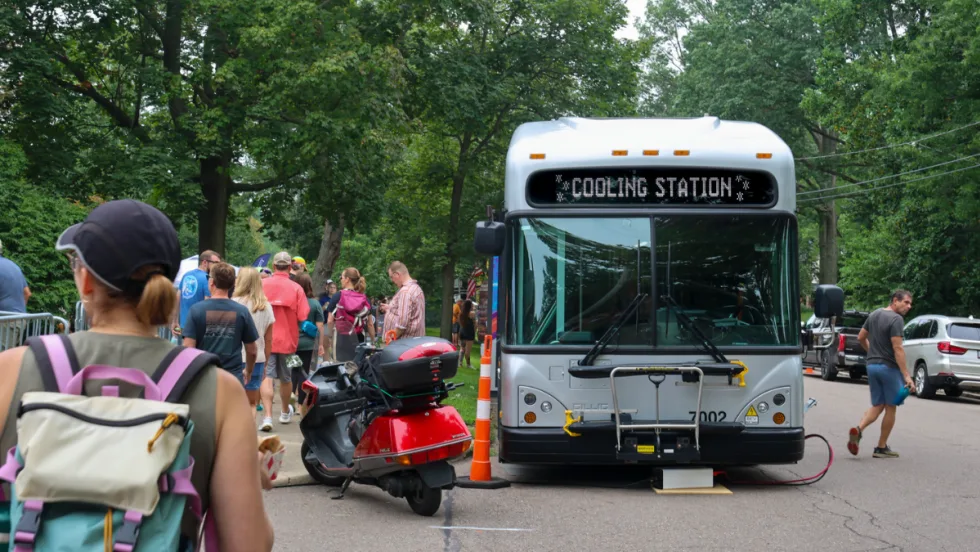
Ohio’s METRO RTA Turns Electric Buses into Mobile Power Sources at PorchROKR
See how three Gillig battery-electric buses powered festival stages while the agency’s new Park & Ride service carried approximately 1,000 attendees, demonstrating another potential use for transit agencies’ electric fleets.
Read More →
CALSTART and Forth Combine to Form Catalyst Mobility
The new name represents a renewed vision for the nonprofit focused on advancing clean, equitable, and affordable transportation solutions that move people and goods.
Read More →
Building a Flexible Path to Transit Electrification
John Hroncich discusses BAE Systems’ modular and scalable approach, lessons learned from decades of real-world operations, and how agencies can identify electrification strategies that fit their fleets.
Read More →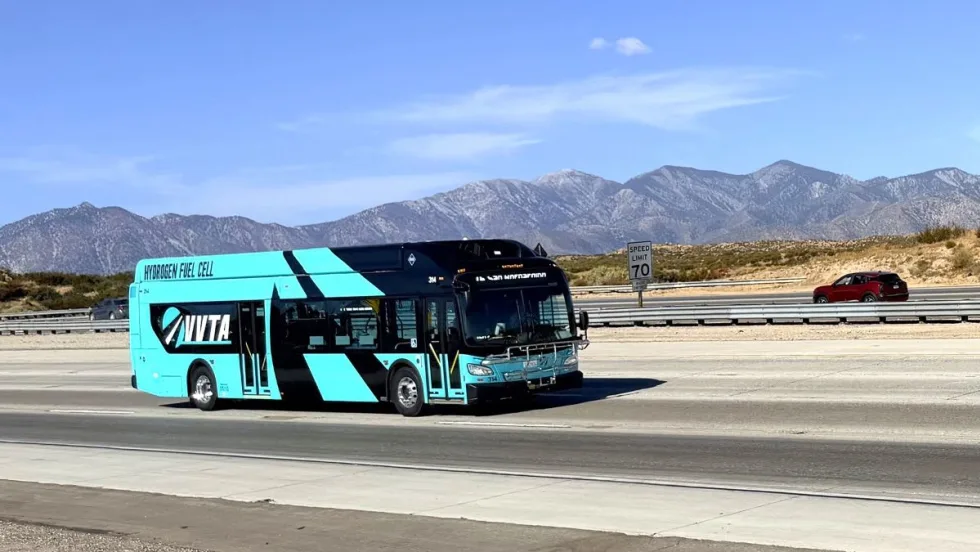
California's VVTA Begins Phased Rollout of Hydrogen Fuel Cell Buses
The agency is introducing 13 zero-emission buses into revenue service while evaluating performance across its urban, rural, and long-distance routes.
Read More →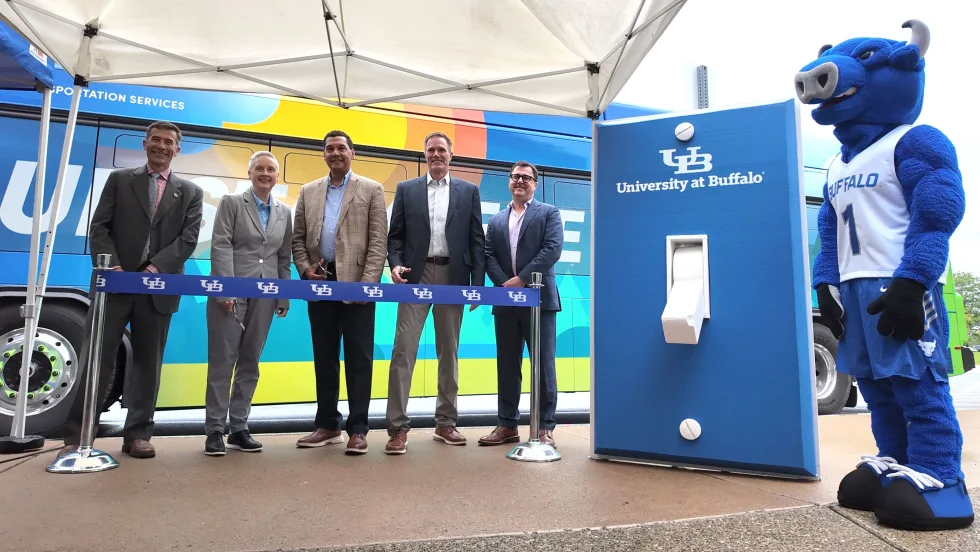
Inside Look: University at Buffalo Puts First 8 Electric Buses Into Stampede Service
UB, transportation solutions provider WeDriveU, and fleet electrification specialist Zenobē marked the deployment in the presence of students, university administrators, and local officials.
Read More →
Biz Briefs: OCTA Taps Clean Energy for Hydrogen Station, Stadler to Supply Via Rail Vehicles, and More
From manufacturers and suppliers to transit agencies and motorcoach operators, these updates offer a snapshot of the projects, partnerships and business moves driving the industry forward.
Read More →
AC Transit’s Cecil Blandon on Building the Next Generation of Transit Maintenance Leaders
The agency’s maintenance chief discusses leadership, workforce development, zero-emission technology, and preparing technicians for the future of public transportation.
Read More →
CTDOT Taps STV for Electric Bus Facility Design
The firm will work with CTDOT and RVT to define the facility layout, operational requirements, and long-term flexibility for RVT’s growing electric fleet.
Read More →
Chicago’s Pace Deploys 24 Hybrid-Electric Buses in Will County
The new buses reduce emissions and fuel consumption while advancing the agency's long-term goal of transitioning to a fully zero-emission fleet.
Read More →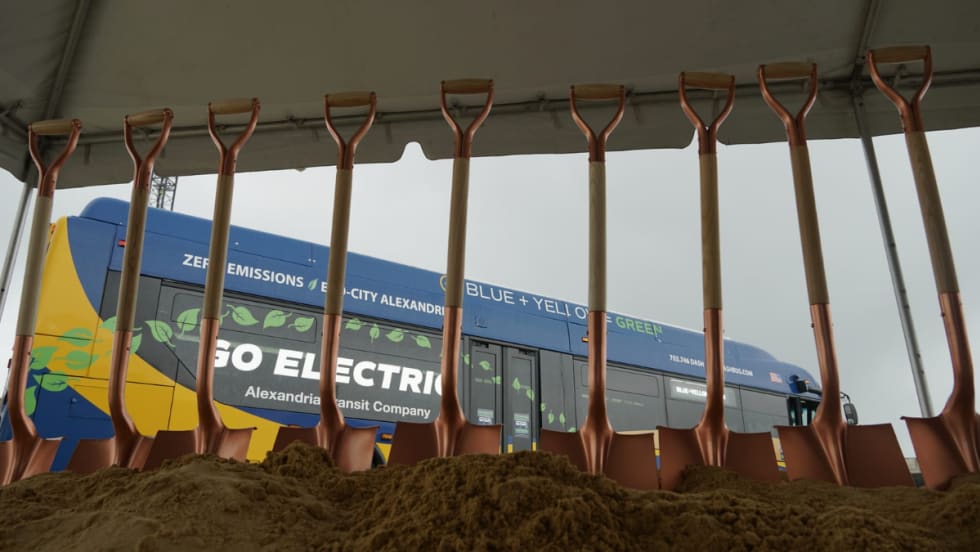
DASH Breaks Ground on First On-Route Electric Bus Chargers in D.C. Region
The fast-charging infrastructure will help extend electric bus range, improve fleet utilization, and support DASH's goal of transitioning to a fully zero-emission fleet.
Read More →