



Why Chester County Chose Propane To Power Its Demand-Response Transit Fleet
See how the county’s Chesco Connect system is replacing its buses with propane autogas to cut costs, reduce emissions, and support high-demand paratransit operations.

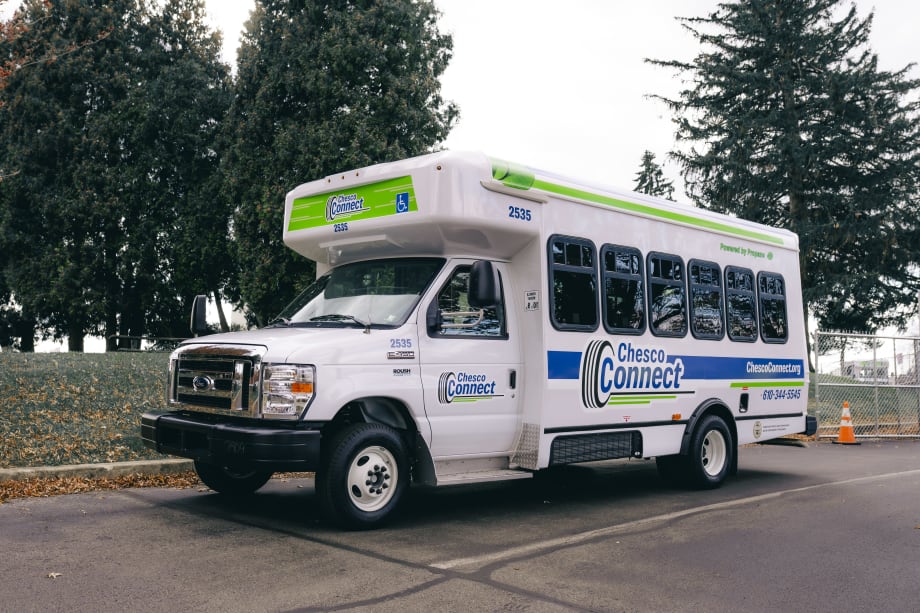
As Chester County, Pennsylvania, evaluated fuel options for its Chesco Connect service, propane autogas stood out as a solution that fit both operational needs and broader policy objectives.
Chester County
- Chester County is transitioning its Chesco Connect transit fleet to propane autogas to reduce operational costs.
- The use of propane is expected to lower emissions, supporting environmental sustainability goals.
- This shift aims to enhance the efficiency of high-demand paratransit services within the county.
*Summarized by AI
Operating a demand-response transit system leaves little room for error. For Chester County, Pennsylvania, that sentiment has shaped major fleet decisions behind Chesco Connect, the county’s door-to-door, shared-ride paratransit service.
In December 2025, the Chester County Department of Community Transit began replacing its existing gasoline-powered Chesco Connect buses with new propane-powered vehicles. As the county worked to modernize its fleet while aligning with long-term climate and strategic goals, propane autogas emerged as a practical solution.
One such solution that balances emission reduction, cost control, and the operational reliability needed for high-utilization community transit.
A Transit System Defined by Constant Demand
Unlike a fixed-route service, Chesco Connect operates a demand-response service designed to meet various mobility needs across the county, which requires responsiveness and vehicles that can withstand near-constant use.
“This service model requires vehicles to remain in near-constant use throughout the day, with frequent stops, continuous route changes, and real-time scheduling driven by rider needs,” said Gene Suski, director of transportation for the Chester County Department of Community Transit.
The scale of that demand is significant. According to the program’s annual report, Chesco Connect provided more than 141,000 trips during the 2024/2025 fiscal year, averaging approximately 556 riders per day and logging nearly 1.8 million service miles annually.
The vehicles spend much of their time in stop-and-go conditions, often remaining in service for long hours with little downtime between trips. Given that level of utilization, fuel and operating costs quickly become a central concern.
“Those realities directly shaped our fleet replacement strategy by prioritizing vehicles that can deliver reliable performance while reducing long-term fuel expenses,” Suski said.
Why Propane Emerged as the Right Fit for Chester County
As Chester County evaluated fuel options, propane autogas stood out as a solution that fit both operational needs and broader policy objectives, including lower fuel costs, reduced emissions, and relatively simple infrastructure requirements.
“We believe that propane was the best choice because it costs less than gasoline and burns cleaner, producing fewer emissions,” Suski explained. “Propane requires less expensive infrastructure while delivering cleaner air benefits, making it well-suited for a high-volume paratransit system.”
According to Chester County CEO David Byerman, the transition is a direct extension of previously adopted policy goals. When Chester County Commissioners approved the Climate Action Plan in late 2021, they set a vision that emphasized sustainability alongside fiscal responsibility.
“These new vehicles will help realize the Strategic Plan’s goals of preserving environmental gains by reducing greenhouse gas emissions, while also saving taxpayer dollars,” Byerman said.
From an industry perspective, propane’s appeal for community transit continues to grow. Todd Mouw, executive vice president, sales and marketing, at ROUSH CleanTech, explained how propane delivers emissions reductions while preserving the operating characteristics agencies expect.
“[Propane] provides a reduction in harmful emissions such as nitrogen oxides (NOx) and offers a significant reduction in operating costs,” Mouw said. “This cost savings alone allows agencies the opportunity to provide an enhanced level of service for the communities they serve.”
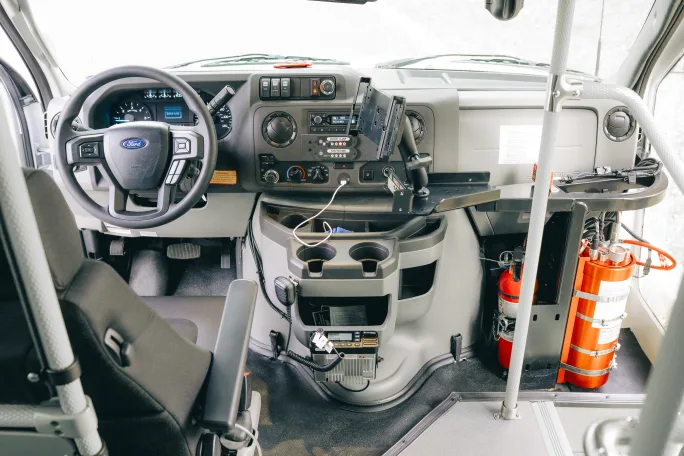
According to a 2024 study by the National Renewable Energy Laboratory, propane vehicles can achieve first-year fuel and maintenance savings of approximately $20,000 per vehicle.
Chester County
Supporting Stop-and-Go Operations and Long Service Days
Demand-response transit places unique demands on vehicles. Frequent stops, extended idling, and constant cycling between acceleration and braking can strain powertrains and increase maintenance needs. Keeping vehicles available (and keeping downtime low) is essential.
Currently, the county’s propane buses are refueled daily onsite, allowing them to return to service quickly without extended delays. From a maintenance perspective, propane vehicles have fit smoothly into existing Chesco Connect workflows.
“They are maintained much like traditional gasoline vehicles, which helps keep maintenance simple and predictable,” Suski said.
ROUSH CleanTech’s propane autogas systems are built on a gasoline-engine platform, removing many of the complex components associated with diesel engines.
“Our propane technology starts on a base gasoline engine that we adapt to maximize the positive properties of propane,” Mouw said. “We eliminate all the increasing complexity of the diesel engine, such as turbos and additional after-treatment systems. This reduction in complexity improves uptime, reduces maintenance costs, and is much easier for technicians to support.”
Plus, technicians working on one of ROUSH CleanTech’s vehicles will have access to all of the company’s tools and curriculum, such as web-based training to help technicians become comfortable with how ROUSH CleanTech integrates with the vehicle, onsite training at the agency location that is more in-depth and typically occurs post-deployment, or an immersive hands-on two-day course where technicians can put what they learn into practice.
Aligning Fleet Decisions With Climate and Strategic Plans
While operational performance and maintenance simplicity were key drivers, Chester County’s transition to propane was also shaped by its long-term policy goals. The county’s Climate Action Plan and Strategic Plan both emphasize sustainability, fiscal responsibility, and reliable service delivery.
Those policy priorities are reinforced by propane’s measurable emissions benefits. According to Mouw, the propane-powered buses deployed will reduce air pollution from sulfur oxide, nitrogen oxide, and carbon dioxide, contributing to Chester County’s sustainability goals.
At the same time, the county’s Strategic Plan prioritizes maintaining high-quality services without unnecessary financial burden, and Suski explained that propane is a practical way to achieve this.
From a broader perspective, the deployment also reflects growing momentum nationwide. According to a 2024 study by the National Renewable Energy Laboratory, propane vehicles can achieve first-year fuel and maintenance savings of approximately $20,000 per vehicle, strengthening the financial case for agencies operating high-mileage fleets.
Early Results and Long-Term Expectations
Chesco Connect has already begun to see the transition take shape. As of late 2025, seven new propane buses have been placed into service, with another nine expected to join the fleet in February 2026.
While the propane buses are still relatively new, early indicators point toward meaningful long-term savings.
“We anticipate major cost advantages,” said Suski. “Expenses on fuel, fluids, and filters could be reduced by up to 50 percent compared to gas-powered vehicles, and our maintenance and downtime costs will drop as well. This is an exciting step into the future of transportation.”
Looking ahead, the county is also planning to further strengthen its fueling strategy.
“Chester County is in the process of developing its own propane fueling station to further control fuel costs, improve operational efficiency, and ensure reliable access for the Chesco Connect fleet,” Suski said.
“Because propane is stored and dispensed as a liquid, we don’t need a large footprint to put in a fuel station,” Mouw explained. “In most cases, propane companies will put the infrastructure in for little or no cost in exchange for a multi-year fuel contract.”

Keeping vehicles available, easy to fuel, and simple to maintain is essential for demand-response service.
Chester County
Lessons for Other Community Transit Agencies
Chesco Connect currently operates 18 propane buses within its overall fleet of 74 vehicles, and the county plans to continue expanding its propane deployment in 2027. One of the most important lessons, Suski noted, is the value of a phased approach.
“Transitioning to propane in phases helps ensure that daily service is not disrupted while the fleet continues to meet rider needs,” Suski said.
Keeping vehicles available, easy to fuel, and simple to maintain is essential for demand-response service. For Suski, careful planning and a focus on total operating costs have allowed the county to make practical, long-term decisions while continuing to provide services.
On the technology side, Mouw emphasized that familiarity with propane autogas is often underestimated.
“From a day-to-day standpoint, the way propane buses operate is similar to gasoline — comparable range, same horsepower and torque, but with the added benefits of reducing harmful emissions and operating costs,” he said. “There is a reason propane is the third-most common engine fuel in the world. Our domestic supply is plentiful, it is clean, the infrastructure is easy to implement, and the buses operate seamlessly as compared to gasoline.”
Those qualities have made propane not just an attractive alternative fuel, but a practical foundation for sustaining a high-demand transit system like Chesco Connect.
Quick Answers
Chester County chose propane autogas to reduce costs, cut emissions, and effectively support its high-demand paratransit operations.
*Summarized by AI
More Zero Emissions

Building a Flexible Path to Transit Electrification with BAE's John Hroncich
John Hroncich discusses BAE Systems’ modular and scalable approach, lessons learned from decades of real-world operations, and how agencies can identify electrification strategies that fit their fleets.
Read More →
LA Metro Board Awards 220 Battery-Electric Bus Contract to ENC
The contract, which is the largest base award of battery-electric buses by a U.S. transit agency, will be built in Southern California, sustaining good jobs as LA prepares to welcome the world in 2028
Read More →
Public Transit Conference Returning to GFX in 2027, Call for Papers Now Open
The Call for Papers is now open, allowing transit agency professionals and industry experts to help shape the PTC educational program by submitting session ideas for consideration.
Read More →
Report: Transit Bus Manufacturing Supports 34,100 Jobs, $5.1B in GDP
The “Buses Mean Business” report examines the transit bus manufacturing industry’s economic footprint, supply chain, and rising demand for vehicle replacements.
Read More →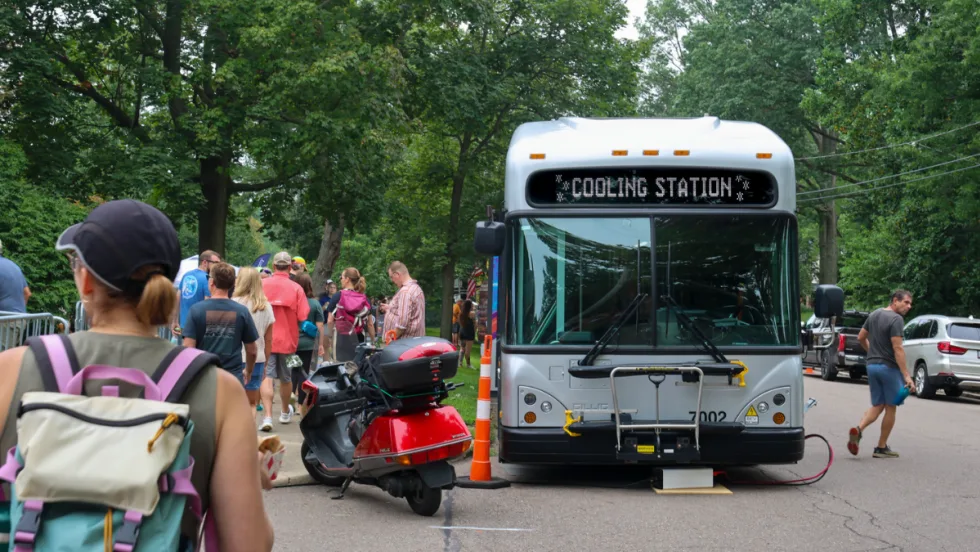
Ohio’s METRO RTA Turns Electric Buses into Mobile Power Sources at PorchROKR
See how three Gillig battery-electric buses powered festival stages while the agency’s new Park & Ride service carried approximately 1,000 attendees, demonstrating another potential use for transit agencies’ electric fleets.
Read More →
CALSTART and Forth Combine to Form Catalyst Mobility
The new name represents a renewed vision for the nonprofit focused on advancing clean, equitable, and affordable transportation solutions that move people and goods.
Read More →
Building a Flexible Path to Transit Electrification
John Hroncich discusses BAE Systems’ modular and scalable approach, lessons learned from decades of real-world operations, and how agencies can identify electrification strategies that fit their fleets.
Read More →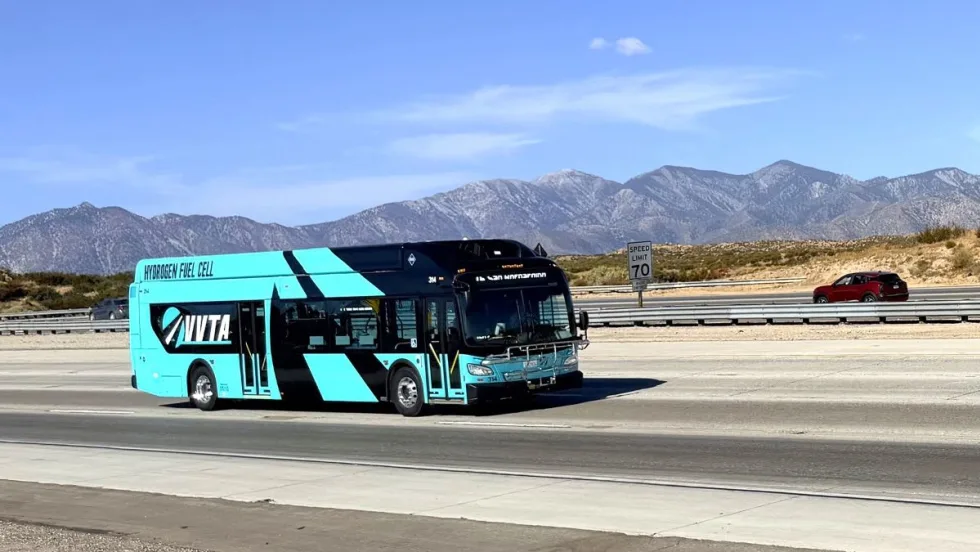
California's VVTA Begins Phased Rollout of Hydrogen Fuel Cell Buses
The agency is introducing 13 zero-emission buses into revenue service while evaluating performance across its urban, rural, and long-distance routes.
Read More →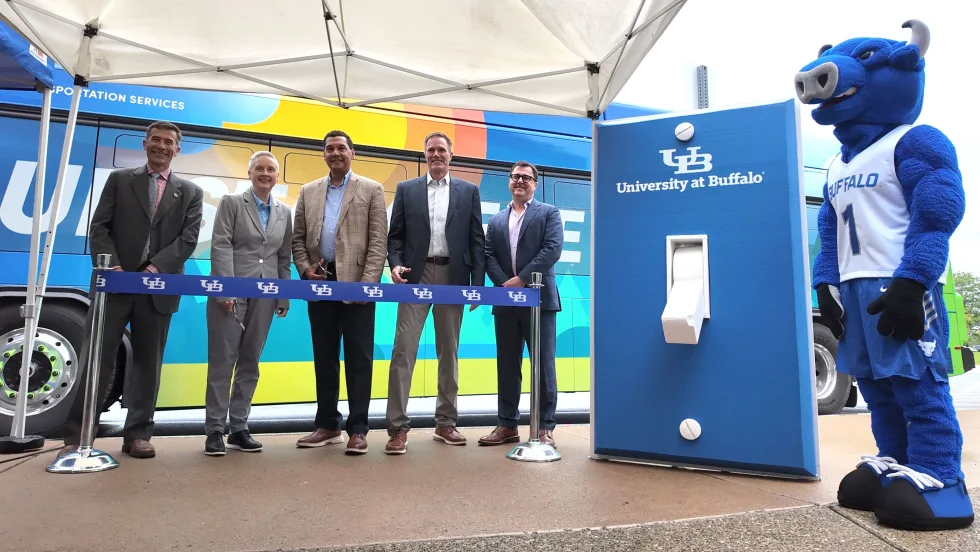
Inside Look: University at Buffalo Puts First 8 Electric Buses Into Stampede Service
UB, transportation solutions provider WeDriveU, and fleet electrification specialist Zenobē marked the deployment in the presence of students, university administrators, and local officials.
Read More →
Biz Briefs: OCTA Taps Clean Energy for Hydrogen Station, Stadler to Supply Via Rail Vehicles, and More
From manufacturers and suppliers to transit agencies and motorcoach operators, these updates offer a snapshot of the projects, partnerships and business moves driving the industry forward.
Read More →