



BetterFleet’s Dan Hilson on the Mountain Line Contract and Intelligent Charge Management
Mountain Line selected BetterFleet’s charge-management and fleet-operations platform to support its nearly all-electric bus fleet and future electrification plans.

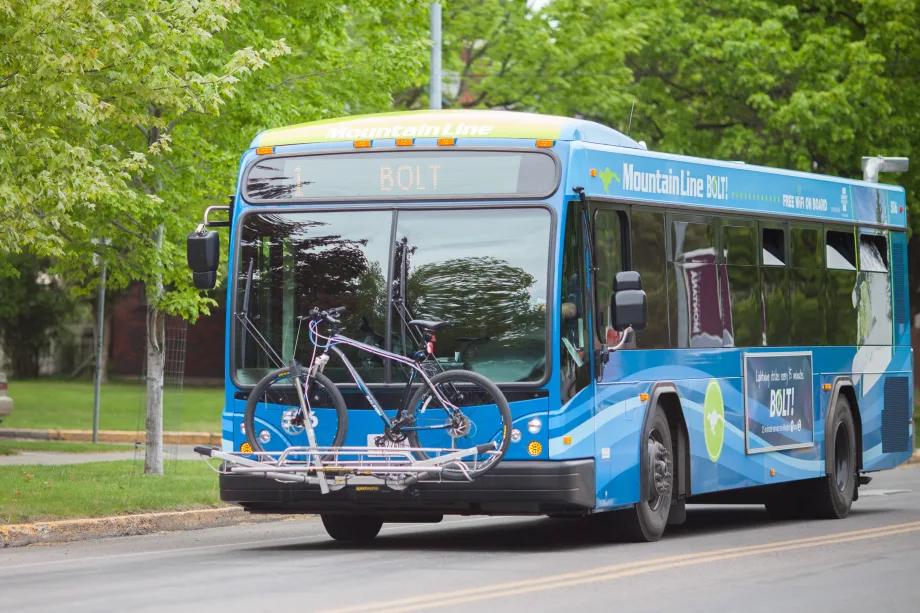
Mountain Line
- Mountain Line has chosen BetterFleet’s platform to manage its charge and fleet operations for its nearly all-electric bus fleet.
- The partnership supports Mountain Line’s initiatives towards future fleet electrification.
- BetterFleet's platform will enhance operational efficiency and charging processes for the transit agency.
*Summarized by AI
Missoula, Montana’s Mountain Line, selected BetterFleet to deploy an advanced charge-management and fleet-operations platform as the transit agency continues its transition to a fully electric bus fleet.
Already operating a fleet that is nearly 90% electric, Mountain Line plans for all future bus procurements to be zero-emission as it works toward full electrification by 2035.
Mountain Line’s BetterFleet Partnership
BetterFleet’s platform goes beyond basic charger control, using intelligent scheduling and automated load management to ensure buses are ready for daily service while optimizing energy use, protecting electrical infrastructure, and extending battery life.
The system dynamically coordinates charging across vehicles and chargers based on pull-out schedules, plug-in times, and required energy, while shifting charging to off-peak periods when possible.
The deployment also includes an on-site controller that enables real-time local control and ensures charging operations continue even during network interruptions.
Looking ahead, the platform is designed to integrate with Mountain Line’s future microgrid plans — including geothermal, solar generation, and battery storage — to improve energy flexibility and long-term operational resilience further.
The partnership reflects a growing focus among transit agencies on advanced fleet management tools to support large-scale electrification.
METRO spoke with BetterFleet CEO Dan Hilson about the Mountain Line partnership and how intelligent charge management is helping agencies operate electric bus fleets more efficiently and reliably.
The Impact of the Mountain Line Contract
Why is the Missoula contract significant for BetterFleet, and what does it represent for your platform?
Dan Hilson: We’re always looking for fleets that are truly committed to transitioning to zero-emission vehicles at scale. Missoula is a great example of that — they’re targeting about 90% electrification. When fleets reach that level, the operational complexity increases significantly, especially during the mixed-fleet phase where diesel and electric vehicles operate together.
Our platform helps fleets manage that complexity and optimize operations, making the fleet as efficient, productive, and sustainable as possible. What’s particularly important about Missoula is that it’s a regional operator. The industry often talks about large cities like Boston, but smaller regional fleets are also moving forward with electrification. When they succeed, they become a model for other agencies and prove that this transition is achievable beyond just the biggest transit systems.
Why do high-volume fleets need AI-driven charge management rather than basic charger scheduling?
Hilson: Traditional transit operations were surprisingly analog. Yard management and dispatch existed, but much of it was still handled on paper or by operator intuition. Electrification changes that dramatically because you suddenly have to think about range, charging times, route assignments, and charger availability.
This shift pushes transit agencies toward fully digitized yards and connected vehicles. Electrified fleets depend heavily on telematics, battery health data, and real-time state-of-charge information. Operators need to know whether a vehicle will be ready for a route at a specific time with sufficient charge.
That’s where AI and our digital twin technology come in. We model routes, topography, climate conditions, and battery health to predict each vehicle's capabilities in real time. The system might determine that one bus can complete its route at 40% charge, meaning another vehicle should be prioritized for the charger. We call this ‘dispatch-integrated charging,’ where the charging strategy is tied directly to route schedules and operational needs.
The Benefits of the BetterFleet System and Data
How does this type of platform maintain reliability without increasing energy costs?
Hilson: First, from a total cost of ownership perspective, electric buses should ideally run the longest routes possible because every kilometer they drive replaces diesel miles. But many fleets initially take the opposite approach — they assign EVs to the safest or shortest routes because they’re concerned about range.
Our system helps build confidence that those vehicles can do more. At the same time, it provides reassurance when unexpected issues arise. If a bus has only 40% charge but the system knows it can still comfortably complete a route, operators can proceed with confidence.
The key is to surface the right data and provide clear recommendations. Instead of dispatchers trying to calculate everything themselves, they can see which vehicles are ready, which ones need charging, and what actions to take. That visibility helps optimize operations and encourages agencies to scale electrification more aggressively.
How well do transit agencies currently understand and use this type of operational data?
Hilson: Many agencies already understand intuitively that this level of data-driven management is necessary. When we talk with fleets in places like Honolulu or Boston, they often say they can envision what needs to happen. But translating that understanding into actual operational tools is another step.
That’s where we help. Our planning platform, BetterFleet Plan, supports agencies as they map out their electrification strategy, and we provide services and training throughout the transition. Some of that training focuses on EV fundamentals, while other elements focus on how to use the platform itself. The goal is to guide agencies through the entire journey, from planning to day-to-day operations.
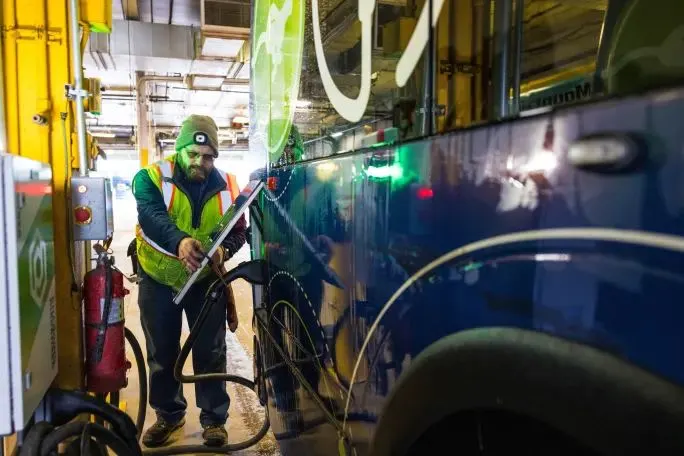
Missoula, Montana’s Mountain Line, selected BetterFleet to deploy an advanced charge-management and fleet-operations platform as the transit agency continues its transition to a fully electric bus fleet.
Mountain Line
Battery-Electric Usage Evolving
What are the biggest risks to uptime in highly electrified fleets, and how can intelligent charge management mitigate them?
Hilson: A useful comparison is how the energy grid operates. Utilities plan for the worst-case scenario, the moment when everyone needs power at once, even though it might only happen once a year.
Electrified fleets face similar ‘peak stress’ situations. Maybe a charger is down, it’s an extremely hot or cold day requiring heavy climate control, and multiple buses need charging at once. Operators need confidence that they can manage those moments.
Our platform helps visualize those scenarios and provide guidance on what to do. We often describe EV fleet operations as having two modes: the normal day-to-day mode, where everything runs smoothly, and the contingency mode, where something unexpected happens. Intelligent charge management helps fleets plan for both.
How has BetterFleet’s platform evolved as you’ve added customers and deployments, such as Missoula?
Hilson: We’re constantly refining the platform and expanding its capabilities. One area we’re developing now is battery state-of-health management, which helps fleets optimize both energy costs and battery longevity.
More broadly, we’re focused on improving outcomes such as uptime and on-time performance by refining our algorithms and digital twin models. Yard management and dispatch optimization are still evolving areas, and we work closely with customers to improve them.
We’re also investing in AI-driven automation. Generative AI, for example, can help with incident management by proactively alerting operators about potential issues and recommending actions. Another focus is AI-generated reporting that summarizes daily or weekly operations, highlighting key events and insights in a much more personalized way.
As transit agencies scale toward full electrification, what capabilities become essential in a charge management platform?
Hilson: We increasingly think of our solution as an EV fleet management platform rather than just a charge management platform. Charging is important, but the real objective is ensuring reliable operations and on-time service.
Software typically evolves through stages: first providing information, then insights, and eventually actions. The industry is now moving into that third stage. As fleets grow and operations become more complex, the platform needs to deliver actionable recommendations, telling operators exactly what to do, such as moving a vehicle to a specific charger or adjusting a dispatch schedule.
Over time, more of those processes will become automated as yards become more digitally connected.
Final Thoughts on Missoula Deployment
Is there anything else you’d like to highlight about the Missoula deployment?
Hilson: Electrification in the U.S. transit sector is facing challenges, particularly in policy and funding. That makes successful deployments even more important.
Projects like Missoula show that electrification can work not just environmentally but also economically and operationally. Regional fleets demonstrating success can become powerful examples for the rest of the industry.
Our goal is to help operators like Missoula optimize their transition so they can prove that electrification delivers real productivity and cost benefits, even in an environment where capital funding may be more limited.
Quick Answers
BetterFleet is providing a charge-management and fleet-operations platform to support Mountain Line's nearly all-electric bus fleet and their future electrification plans.
*Summarized by AI
More Zero Emissions
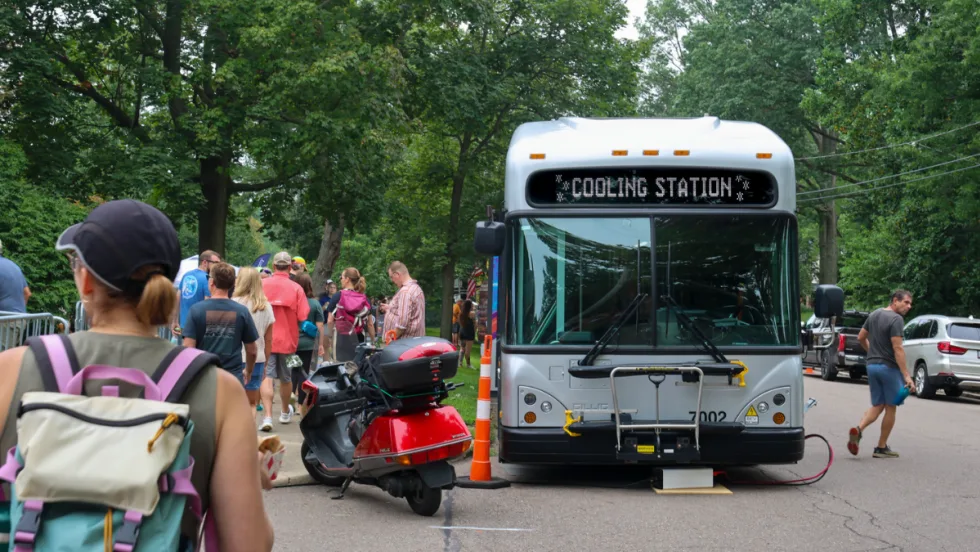
Ohio’s METRO RTA Turns Electric Buses into Mobile Power Sources at PorchROKR
See how three Gillig battery-electric buses powered festival stages while the agency’s new Park & Ride service carried approximately 1,000 attendees, demonstrating another potential use for transit agencies’ electric fleets.
Read More →
CALSTART and Forth Combine to Form Catalyst Mobility
The new name represents a renewed vision for the nonprofit focused on advancing clean, equitable, and affordable transportation solutions that move people and goods.
Read More →
Building a Flexible Path to Transit Electrification
John Hroncich discusses BAE Systems’ modular and scalable approach, lessons learned from decades of real-world operations, and how agencies can identify electrification strategies that fit their fleets.
Read More →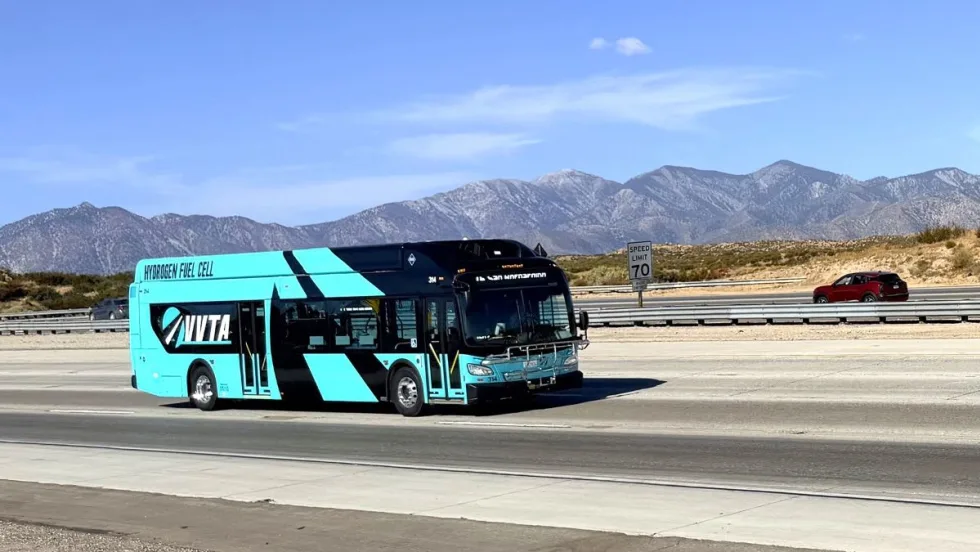
California's VVTA Begins Phased Rollout of Hydrogen Fuel Cell Buses
The agency is introducing 13 zero-emission buses into revenue service while evaluating performance across its urban, rural, and long-distance routes.
Read More →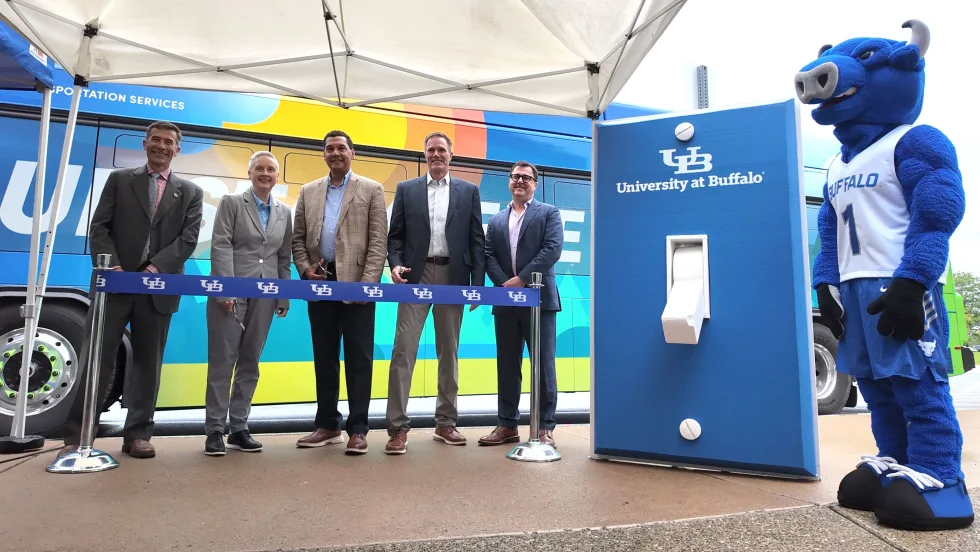
Inside Look: University at Buffalo Puts First 8 Electric Buses Into Stampede Service
UB, transportation solutions provider WeDriveU, and fleet electrification specialist Zenobē marked the deployment in the presence of students, university administrators, and local officials.
Read More →
Biz Briefs: OCTA Taps Clean Energy for Hydrogen Station, Stadler to Supply Via Rail Vehicles, and More
From manufacturers and suppliers to transit agencies and motorcoach operators, these updates offer a snapshot of the projects, partnerships and business moves driving the industry forward.
Read More →
AC Transit’s Cecil Blandon on Building the Next Generation of Transit Maintenance Leaders
The agency’s maintenance chief discusses leadership, workforce development, zero-emission technology, and preparing technicians for the future of public transportation.
Read More →
CTDOT Taps STV for Electric Bus Facility Design
The firm will work with CTDOT and RVT to define the facility layout, operational requirements, and long-term flexibility for RVT’s growing electric fleet.
Read More →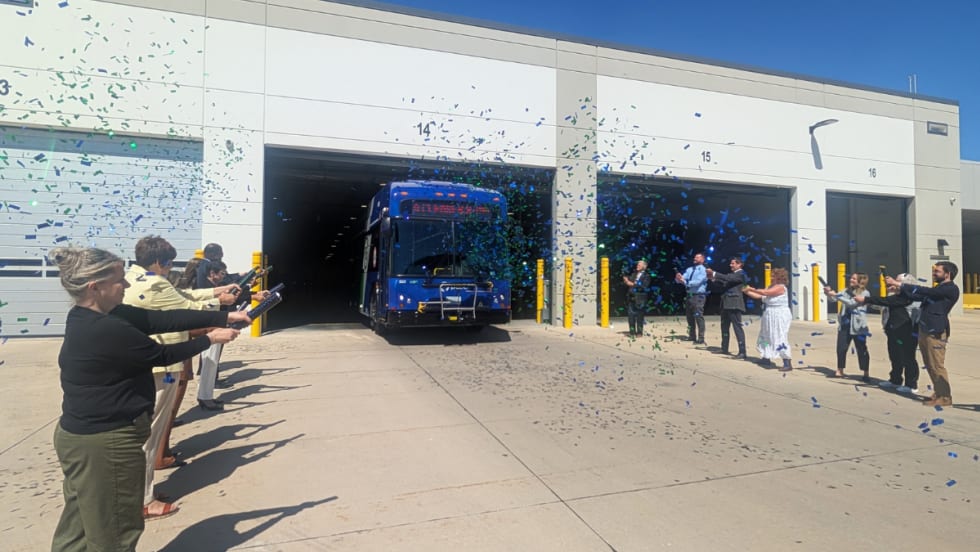
Chicago’s Pace Deploys 24 Hybrid-Electric Buses in Will County
The new buses reduce emissions and fuel consumption while advancing the agency's long-term goal of transitioning to a fully zero-emission fleet.
Read More →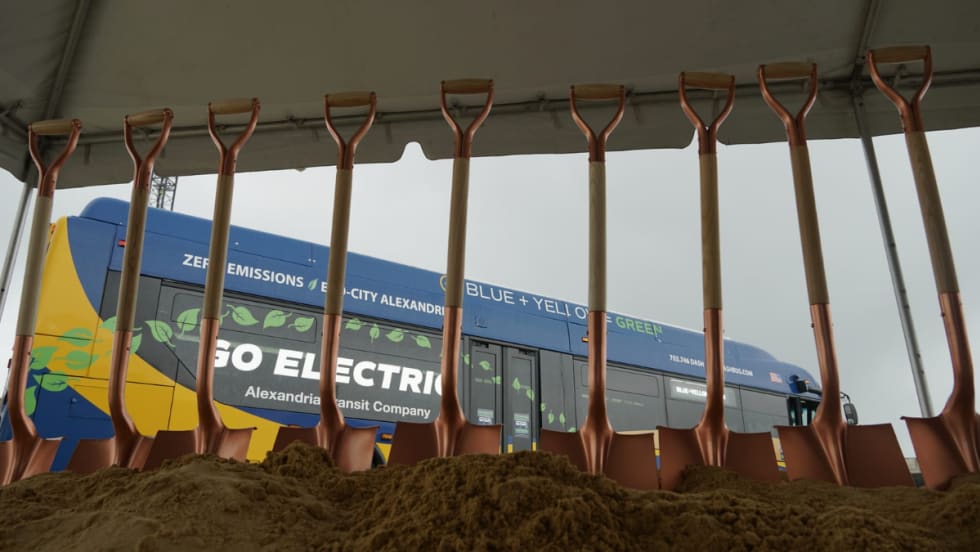
DASH Breaks Ground on First On-Route Electric Bus Chargers in D.C. Region
The fast-charging infrastructure will help extend electric bus range, improve fleet utilization, and support DASH's goal of transitioning to a fully zero-emission fleet.
Read More →