



Toronto Latest Agency to Enhance Fare Compliance Measures
The TTC’s campaign comes as a new internal audit report shows fare evasion at an all-time high.

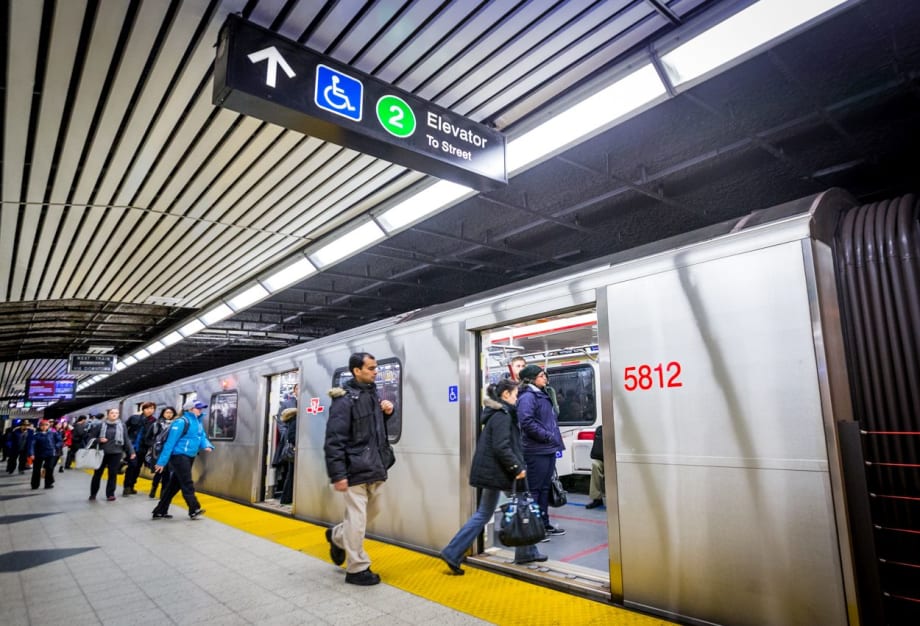
Over the past several months, the TTC has increased staff for both fare compliance and improved safety and security, which has included hiring fare inspectors, special constables, and 130 new stations staff.
Photo: TTC
The Toronto Transit Commission (TTC) is rolling out a new campaign reminding everyone about the importance of paying fares and warning those who steal rides that they are subject to fines.
“The TTC is not free, and even with a significant City of Toronto operating subsidy, we rely heavily on fares. They fund safe, reliable service for hundreds of millions of customers every year and they allow us to keep those fares reasonably priced,” said TTC CEO Rick Leary. “We need those who willfully deprive our system of funds to understand that their actions have consequences, including less service for others and a fine for themselves.”
The TTC’s Fare Evasion Campaign
The TTC’s campaign comes as a new internal audit report shows fare evasion at an all-time high. The TTC’s auditors found that in 2023, fare evasion was at almost 12% and cost the system close to $124 million in lost revenue.
The numbers are almost double the 2018 review that placed evasion at around 6%, costing the TTC $60 to $70 million a year.
Over the past several months, the TTC has increased staff for both fare compliance and improved safety and security, which has included hiring fare inspectors, special constables, and 130 new stations staff who will be present at secondary entrances to address the issue of gate crashing and assist customers as needed.
The TTC also introduced a new fare collection process that ensures customers are treated with respect and provides enhanced accountability, including the creation of a complaints office.
“We have a team of dedicated, well-trained and compassionate individuals on staff who will treat our customers fairly,” Leary said. “I would hope that they are shown the same respect while they do their jobs.”
Measures to Increase Safety As Well
The issue of fare evasion is not unique to the TTC. Systems across North America and Europe are wrestling with fare evasion.
In their most recent studies, London’s TFL and New York’s MTA both reported hundreds of millions of dollars in lost revenue due to fare evasion. And agencies, including the MTA, the Washington Metropolitan Area Transit Authority, and San Francisco’s BART are implementing new fare gates and other measures to limit fare evasion.
Starting this week, a new campaign containing a variety of fare evasion messages will be rolled out across the TTC. The campaign focuses on the importance and benefits of paying proper fares while also reminding those who face financial difficulties about the City’s Fair Pass program.
Also, customers can expect to see increased fare inspection activity and more staff at locations known to be prone to fare evasion. Transit Fare Inspectors will be patrolling the downtown streetcar network and transfer points in stations and there will be an increased presence of supervisors and Special Constables on the bus network. These measures not only deter fare evasion, but they also help make the TTC safer through increased visibility of staff.
TTC staff will report back to the May Board meeting on responsive enforcement plans and the impact the new measures have had since the auditor’s study.
More Security and Safety

Transit Agencies Highlight Safety Gains at National Summit
Leaders from 15 major transit systems shared crime-reduction results and safety initiatives while discussing the role of continued federal support.
Read More →
DART Launches Major Security, Fare Enforcement Initiative
The 90-day demonstration will deploy coordinated security teams at five light rail stations while testing controlled access and gathering data to guide future investments.
Read More →
RTD Launches NextRide App to Consolidate Trip Planning, Fares, Security Reporting
The app expands on RTD’s existing NextRide web application and allows customers to view real-time vehicle locations and service alerts, purchase and store digital fares, and access customer support.
Read More →

TAPTCO Updates OSHA Compliance Training for Transit Maintenance Operations
The revamped program addresses 26 OSHA standards for maintenance facilities, with TAPTCO pointing to training, documentation, and everyday shop hazards as continuing challenges for transit operations.
Read More →
How VaporVision Adds Value to Transit Door Systems
Wabtec engineers explain how the system improves doorway detection, strengthens diagnostics and gives transit agencies and OEMs greater operating flexibility.
Read More →
FRA Announces $5.3B in Rail Investments, Including $2B for Amtrak
Funding will support grade-crossing improvements, infrastructure upgrades, and new Amtrak equipment in 23 states.
Read More →
Chicago, Maryland Expand Non-Law-Enforcement Safety, Rider Support
The CTA and MTA are launching new programs aimed at de-escalation, crisis response, rider assistance, and greater transparency.
Read More →
LA Metro, City of West Hollywood, and Partners Advance Smarter Bus Lane Enforcement
The award-winning partnership combines AI-powered detection with human oversight to improve bus reliability, accessibility, and enforcement efficiency.
Read More →
LA Metro Reports 57% Decline in Homelessness on Transit System Since 2024
The agency's latest homelessness count offers new data on how care-based services and cross-sector partnerships can complement traditional transit security strategies.
Read More →
FTA Launches 'Transit Moves America' Dashboard to Highlight Agency Safety and Performance
The online dashboard transforms National Transit Database information into a public-facing resource that allows users to compare transit agencies on key operational and safety metrics.
Read More →