As of March 24, NYPD officers have seized a total of 450 weapons — including 19 illegal guns — in the New York City transit system this year, compared to 261 weapons — including nine guns — during the same period last year.
Photo: Marc A. Hermann
3 min to read
New York City Mayor Eric Adams and New York City Police Department (NYPD) Commissioner Edward A. Caban announced efforts being taken to make the Metropolitan Transportation Authority’s (MTA) subway system safer by investing in new technology to detect firearms, as well as invest in more clinicians that will help those suffering from severe mental illness in the nation’s largest subway system.
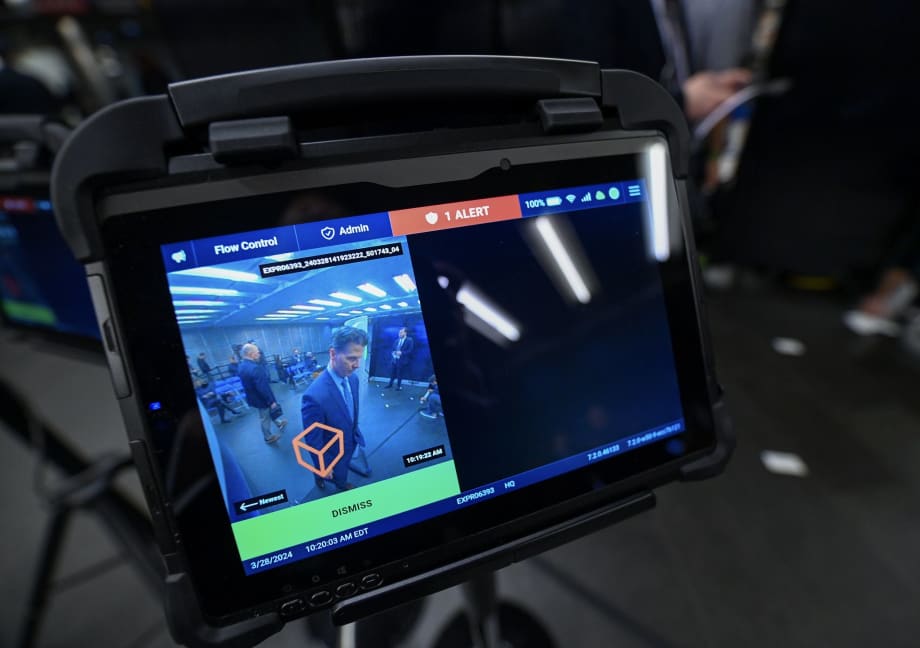
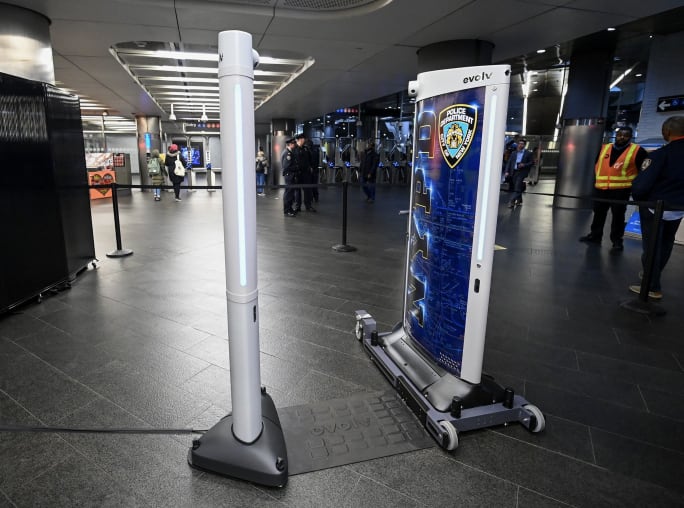
The city is exploring, and will soon begin piloting, emerging technologies designed to detect weapons carried by travelers into the transit system. In accordance with the Public Oversight of Surveillance Technology (POST) Act, the NYPD also published online its Impact and Use Policy for electromagnetic weapons detection systems, starting a mandatory 90-day waiting period before new technology can be tested and used in New York City.
Ad Loading...
Additionally, Mayor Adams announced the city will begin hiring clinicians to support the expansion of the Subway Co-Response Outreach Teams (SCOUT), a pilot program launched in partnership with the state and the MTA to connect people with untreated severe mental illness in the subways to mental health treatment and care.
“Keeping New Yorkers safe on the subway and maintaining confidence in the system is key to ensuring that New York remains the safest big city in America,” said Mayor Adams. “Today’s announcement is the next step in our ongoing efforts to keep dangerous weapons out of our transit system and to provide greater mental health services for New Yorkers in crisis. By kicking off a 90-day waiting period to test electromagnetic weapons detection systems here in New York City and hiring more clinicians for SCOUT, we are showing our administration’s dedication to keeping all New Yorkers safe.”
NYPD’s Next Steps
During the 90-day waiting period, the NYPD will be working to identify companies with proven expertise in weapons detection technology. At the end of the waiting period, a pilot program will be instituted in some subway stations where the NYPD will be able to further evaluate the equipment’s effectiveness.
As of March 24, NYPD officers have seized a total of 450 weapons — including 19 illegal guns — in the New York City transit system this year, compared to 261 weapons — including nine guns — during the same period last year.
The NYPD also seized 1,515 weapons in the subway system in 2023, including 1,470 cutting instruments and 45 illegal firearms. That tally was a stark increase from the previous year, when 947 total weapons were seized, including 912 cutting instruments and 35 guns.
Ad Loading...
Last month, Mayor Adams directed the NYPD to surge an additional 1,000 police officers into the subway system each day to keep help New Yorkers safe.
Additionally, the NYPD announced “Operation Fare Play,” an initiative to ensure people pay their fare when entering the subway system by deploying 800 more police officers into the subway system to crack down on fare evasion.
Through Sunday, overall crime in the transit system was down nearly 16% for the month of March, compared to the same month last year, adding to February’s 15.4% month-over-month decrease in crime in the subway system.
Since the start of 2024, overall arrests in the subway system are up nearly 56% compared to last year, including a 78% increase in fare-evasion arrests and a 111% jump in gun arrests.
During the 90-day waiting period, the NYPD will be working to identify companies with proven expertise in weapons detection technology.
Photo: Marc A. Hermann
SCOUT Pilot Program
Launched in October 2023, the SCOUT pilot program has operated with two teams in the subways focused on connecting those with untreated severe mental illness with mental health support and long-term care.
Ad Loading...
SCOUT teams are comprised of a clinician and two MTA police officers, and, in the 90 days of operation, the two teams have moved 90 individuals out of the subway system and into care.
Earlier this month, Gov. Hochul announced a $20 million investment to scale this pilot and bring the total number of SCOUT teams to 10 by the end of 2025. With this investment from the state, the city will begin hiring additional clinicians to support the expansion of SCOUT and reach even more New Yorkers in need of care.
The 90-day demonstration will deploy coordinated security teams at five light rail stations while testing controlled access and gathering data to guide future investments.
The app expands on RTD’s existing NextRide web application and allows customers to view real-time vehicle locations and service alerts, purchase and store digital fares, and access customer support.
The revamped program addresses 26 OSHA standards for maintenance facilities, with TAPTCO pointing to training, documentation, and everyday shop hazards as continuing challenges for transit operations.
Wabtec engineers explain how the system improves doorway detection, strengthens diagnostics and gives transit agencies and OEMs greater operating flexibility.
The award-winning partnership combines AI-powered detection with human oversight to improve bus reliability, accessibility, and enforcement efficiency.
The agency's latest homelessness count offers new data on how care-based services and cross-sector partnerships can complement traditional transit security strategies.
The online dashboard transforms National Transit Database information into a public-facing resource that allows users to compare transit agencies on key operational and safety metrics.