



Avoiding Mid-Season Breakdowns: A Fleet Readiness Q&A
John Hatman, COO of Master’s Transportation, breaks down the priorities, warning signs and common mistakes fleet managers should address now to stay ahead of summer demand.

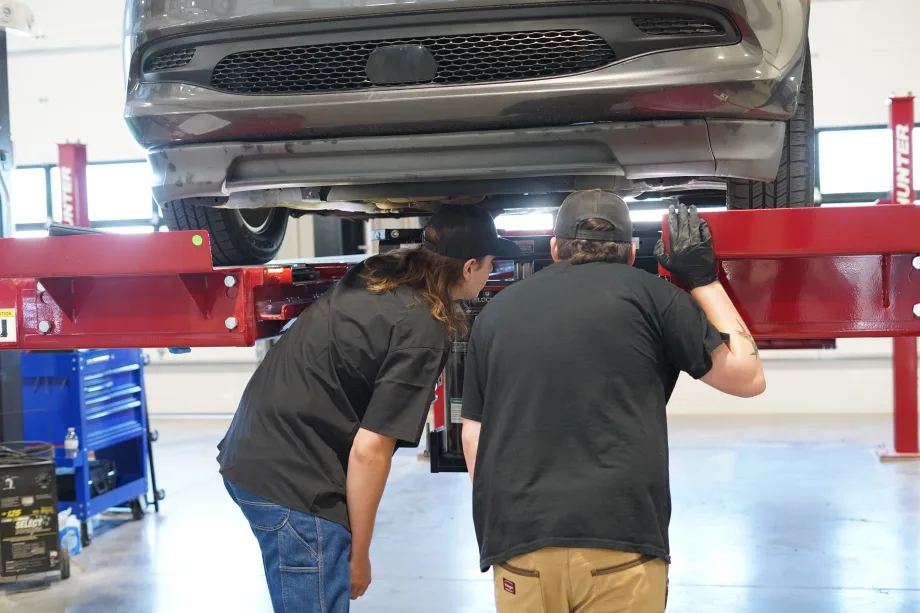
Early spring maintenance is critical as fleets transition from winter wear to peak travel demand.
Master's Transportation
- John Hatman emphasizes the importance of prioritizing fleet readiness to meet summer demand effectively.
- He identifies critical warning signs that fleet managers should monitor to prevent operational disruptions.
- Hatman discusses common mistakes in fleet management that can lead to mid-season breakdowns if not addressed.
*Summarized by AI
For bus and motorcoach operators, the shift from winter to spring is more than a seasonal change — it’s a critical window to reset fleet readiness before peak travel begins. Buses are coming off months of cold-weather strain just as longer routes, heavier passenger loads, and constant air conditioning demands begin to ramp up.
In this Q&A, John Hatman, chief operating officer at Kansas City’s Master’s Transportation, outlines the maintenance priorities, operational risks, and proactive strategies that can help fleets avoid in-service failures and costly downtime during the busiest time of year.
From Cool to Warmer Temperatures
As fleets transition out of winter, what are the most critical maintenance priorities operators should address before peak travel season begins?
Early spring is the window that most fleet managers underestimate. Routes are still running, coaches are coming off months of heavy winter use, and the instinct is to push maintenance until things slow down. That's usually when problems get ahead of you.
The timing matters because you're still catching winter damage while it's fresh, but you're also preparing for a completely different set of demands. Summer heat, longer routes, fuller loads, and AC systems running constantly put stress on components that were already taxed by cold weather. A fleet that transitions well between those two seasons does so because someone made deliberate decisions in early spring, not in the middle of summer.
For fleet managers, the priority list isn't just mechanical. It's operational. Every coach that goes into peak season with a marginal component is a scheduling risk, a liability exposure, and a potential cost that compounds quickly once it becomes a roadside issue rather than a bay repair.
Cooling systems become especially important as the weather gets warmer. What specific components or warning signs should operators focus on now to prevent overheating issues later?
The cooling system conversation in spring is really two conversations happening at once. You're closing out winter, making sure the system handled the cold without developing leaks, weak hoses, or a water pump that's on its way out. But you're also opening up summer, confirming the coolant mix is right for heat rather than cold, that the radiator is clear, and that the fan clutch will engage reliably when the coach is fully loaded in August.
What makes this transition period tricky is that AC systems are coming online at the same time. Mornings may still call for heat while afternoons push into air conditioning, and both systems have to perform reliably through that swing. A low refrigerant charge or a slow leak won't announce itself on a cool morning. It shows up on a hot afternoon with a full coach and no relief for passengers.
The warning signs fleet managers should act on now are coolant that hasn't been flushed or tested for concentration, hoses with soft spots or cracking at the fittings, and AC systems that haven't been checked for refrigerant charge or filter condition since last season. Catching those in the bay this spring is a fraction of the cost and disruption of catching them in service.

Spring maintenance decisions can determine whether fleets run smoothly or face mid-season disruptions.
Master's Transportation/METRO
Once Spring Has Sprung
Winter conditions can put significant strain on batteries. How important is springtime load testing, and what indicators suggest a battery may be nearing failure?
Load testing in the spring gives fleet managers something a visual inspection simply cannot. A battery can look clean, hold a surface charge, and still lack the capacity to perform when summer heat and sustained demand push it past its limits. That gap between appearance and actual performance is where many operators get caught off guard, and it tends to show up at the worst possible moment in the schedule.
Cold weather degrades batteries gradually over a season. As spring sets in, a battery that's been working through months of cold starts may have already given most of what it has. For a fleet running multiple coaches on tight schedules, load testing removes the guesswork and gives the maintenance team something concrete to act on before peak season begins rather than during it.
The indicators worth watching are consistent. Slow cranking through the winter, repeat jump events, corroded or loose terminals, and low voltage alerts on the dash are a pattern, not isolated incidents. Fleet managers who recognize that pattern early tend to avoid the more expensive conversation that happens when a coach goes down mid-season with a full passenger load and no immediate backup available.
Brake and tire performance are essential during high-demand periods. What should operators be looking for during spring inspections to avoid in-service failures?
Spring inspections on a motorcoach need to go beyond the mechanical systems. One area fleet managers sometimes overlook entirely is emergency exits, and it carries serious regulatory and safety implications if it's skipped.
Emergency windows and doors need to open and close properly every season. Cold temperatures cause seals to stiffen and hardware to seize, and a door that functioned fine in the fall may not operate freely by spring without attention. For fleet managers, that's not a minor detail. A compromised emergency exit is a safety failure and a compliance issue that no amount of mechanical readiness elsewhere can offset.
Body seals deserve the same attention as temperatures warm and spring rain arrives. Water finds any crack or gap in a seal and travels throughout the coach, causing interior damage, corrosion, and mold that compounds quietly over months. Resealing joints and water testing each coach in the spring is straightforward preventative work that protects the vehicle long term and keeps the interior in the condition passengers expect.
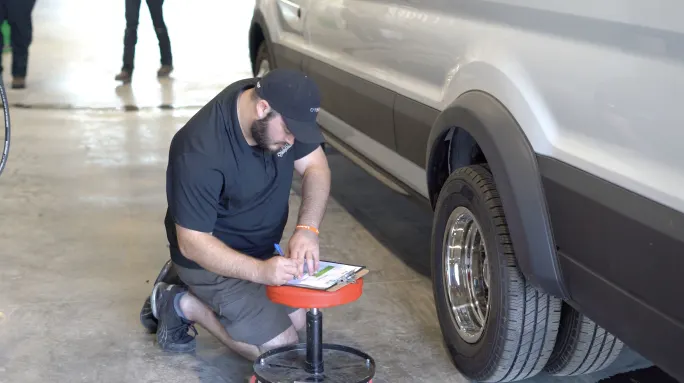
Early inspections can catch issues before they become in-service failures during high-demand months.
Master's Transportation
Fixing Simple Mistakes
From your experience, what are the top three maintenance mistakes operators make coming out of winter — and how can they proactively avoid them?
The first one is waiting too long to start. Many operators don't think about spring maintenance until the schedule is already picking up, and by then, the window to catch marginal components before they become in-service failures has mostly closed. Early spring is the right time to begin, while coaches are still coming off heavy winter use and before summer demand makes every unplanned repair a scheduling crisis.
The second mistake is parking coaches for the summer and walking away from them. Buses and motorcoaches that sit idle all summer without regular attention deteriorate faster than most operators expect. Sun and heat accelerate wear on exterior and interior components. Tires develop flat spots. Fluids stop circulating. And rodents find their way in, targeting wiring harnesses and causing damage that doesn't show up until the coach is back in service and something stops working. Starting coaches regularly, running them around the lot, and doing periodic walkthroughs during the off-season, catch problems early, when they are still inexpensive to fix.
The third mistake is treating the AC system as a summer problem rather than a spring one. By the time a refrigerant leak or a clogged filter announces itself on a hot afternoon with a full coach, the opportunity to address it quietly during a scheduled inspection has already passed. Checking refrigerant charge, confirming the system holds, and cleaning or replacing filters in the spring ensure a reliable transition from heat to air conditioning, which matters more than most operators realize until it doesn't.
Quick Answers
Fleet managers should focus on preventive maintenance, vehicle inspections, and ensuring all drivers are trained and ready. Proper scheduling and resource allocation are also crucial to meet increased summer operations.
*Summarized by AI
More Management

ENC Lands MATA Contract and More in Biz Briefs
In this edition of Biz Briefs, we spotlight the latest developments shaping the future of mobility.
Read More →
From Surviving to Thriving: Building Stronger Transportation Organizations
Bus Business Consultants founder Brian Dickson shares lessons on leadership, organizational health, and creating options for long-term success in a changing transportation industry.
Read More →
Everett Transit, Community Transit Outline Consolidation Agreement
The proposed agreement calls for a 50% increase in bus service in Everett, a new microtransit zone, continued paratransit service, and the transfer of Everett Transit operations to Community Transit.
Read More →

Strada360’s Steve Lassey on Turning Transit Data Into Better Decisions
From breaking down data silos to preparing for AI, Strada360 CEO Steve Lassey discusses how transit agencies can use technology to improve operations, customer information, and long-term decision-making.
Read More →
People Movement: Phil Washington Joins HNTB, Denver RTD Launches CEO Search, and More
In this edition, we also spotlight recent personnel moves at STV, the Eno Center for Transportation, and more, highlighting the people taking on new roles across the transportation industry.
Read More →
SEPTA Details Accelerate Vision for Transit System
The plan outlines investments in trolley modernization, new Metro and Regional Rail vehicles, accessible stations, and more frequent bus and rail service.
Read More →
FTA Ends Direct Oversight of MBTA Safety Actions
The federal agency closed its remaining special directive to the Massachusetts Department of Public Utilities following a safety review that began in 2022.
Read More →
Report: Transit Bus Manufacturing Supports 34,100 Jobs, $5.1B in GDP
The “Buses Mean Business” report examines the transit bus manufacturing industry’s economic footprint, supply chain, and rising demand for vehicle replacements.
Read More →
LIT Marks 10-Year Milestone at Annual Summit
Hosted by the COTA from September 10 to 13, the Summit carried the theme “Celebrating 10 Years of Excellence, Leadership, and Impact,” with every part of the program honoring the people, agencies, and partners who built LIT over its first decade.
Read More →
People Movement: Dan Dipert Coaches Adds Third-Generation Leader, Keolis Names New Valley Metro VP/GM, and More
In this edition, we also cover recent appointments and announcements at the Wabtec, SilverRide, HNTB, and more, showcasing the individuals helping to shape the future of transportation.
Read More →