




Keep Reading: TTC Upgrades Real-Time Signage to Improve Rider Experience
TTC Launches New Wayfinding Pilot, Announces Fare Capping Ahead of FIFA World Cup 2026
See how the TTC is testing a new wayfinding system at major subway stations while planning to introduce fare capping to make transit easier to navigate and more affordable for riders.
May 7, 2026
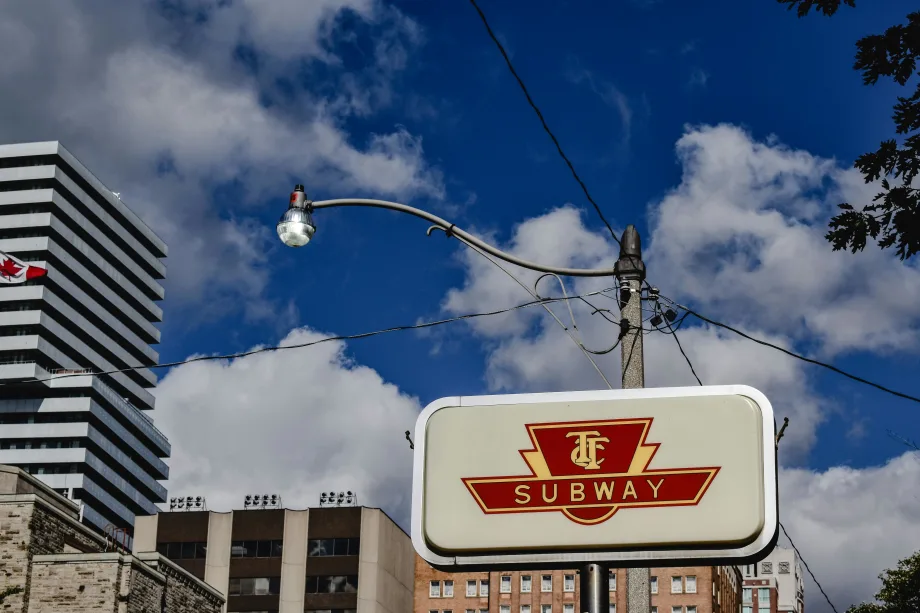
The Toronto Transit Commission is implementing a new subway wayfinding pilot to improve station navigation and a fare capping program to make transit more affordable for frequent riders.
Credit:
Eva Bronzini
3 min to read
The TTC (Toronto Transit Commission) is rolling out a pair of major customer-focused initiatives ahead of the FIFA World Cup 2026, including a new subway wayfinding pilot to improve station navigation and a fare capping program to make transit more affordable for frequent riders.
With the FIFA World Cup less than 40 days away, the TTC has launched a pilot project at six high-traffic subway stations introducing a new alphanumeric identification system for station exits, transfer points, and other key locations. The pilot is intended to help both visitors and daily commuters navigate busy stations more easily during what is expected to be one of the city’s busiest travel periods.
The new system assigns simple codes such as “A” or “A1” to exits and station zones, paired with pedestrian icons and nearby landmark references. At Bathurst Station, for example, the Bathurst Street side is identified as Zone A, while the Markham Street side becomes Zone B.
The pilot is being introduced at Bathurst, Dufferin, Bloor-Yonge, Union, St Andrew, and King stations, all of which are key transfer hubs expected to see increased traffic during the tournament.
Customers will begin seeing new yellow directional signage in stations immediately, along with updated signs identifying local destinations and corresponding exit codes. The TTC said in a release that the data will also be integrated into third-party transit apps to help riders navigate directly to specific entrances and exits.
The pilot will run from June through September 2026, during which the TTC plans to gather customer feedback and evaluate the system's effectiveness in improving navigation and reducing congestion.
TTC Plans Major Shift in Monthly Fare Structure
At the same time, the TTC announced that monthly fare capping will launch September 1, 2026, allowing customers using PRESTO, debit or credit cards, or mobile wallets to ride free after 47 paid trips in a calendar month.
The fare cap threshold will drop to 40 paid trips in 2027 as part of the TTC’s long-term affordability strategy.
“We’re making the TTC more affordable for people who rely on and use transit the most,” said Mayor Olivia Chow. “With fare capping, you pay as you go, and once you’ve taken 47 trips in a month, the rest of your rides are free. No more deciding whether you can afford a monthly pass upfront. No more overpaying if you don’t ride enough to make a pass worth it. We’re doing this in stages, so next year it drops to 40 rides, and you’ll save even more.”
“Fare capping represents a fundamental shift in how Torontonians pay for transit and follows the successful rollout of the open payments program,” said TTC Chair Jamaal Myers. “Combined with our third consecutive fare freeze, fare capping is building a transit system that’s affordable for Torontonians.”
With the introduction of fare capping, several TTC monthly pass programs, including youth, adult, senior, and fair pass transit discount program monthly passes, as well as youth and senior 12-month passes, will be discontinued after August 31, 2026.
The TTC noted that adult 12-month TTC pass subscribers and post-secondary students using the TTC post-secondary monthly pass should continue using those products because they still guarantee the lowest fare.
More Management

Bus Tech Talk: Keeping Transit Technicians Ahead of the Technology Curve
In this episode of Bus Tech Talk, Complete Coach Works’ Business Development Manager Mark Hollenbeck and METRO’s Executive Editor Alex Roman sit down with Obed Mejia, Senior Technical Trainer for Bus Maintenance, at LA Metro to discuss how rapidly evolving bus technology is changing the maintenance shop — and the skills technicians need to keep pace.
Read More →
Michael Schneider Joins Paslay Group to Expand Transportation Practice
The longtime transportation executive will help Paslay Group grow its advisory and program management work across transit, highway, and other infrastructure sectors.
Read More →
People Movement: Connectpoint Expands Leadership Team, Stadler Names New Group CEO, and More
In this edition, we also spotlight recent personnel moves at Burns, UZURV, and more, highlighting the people taking on new roles across the transportation industry.
Read More →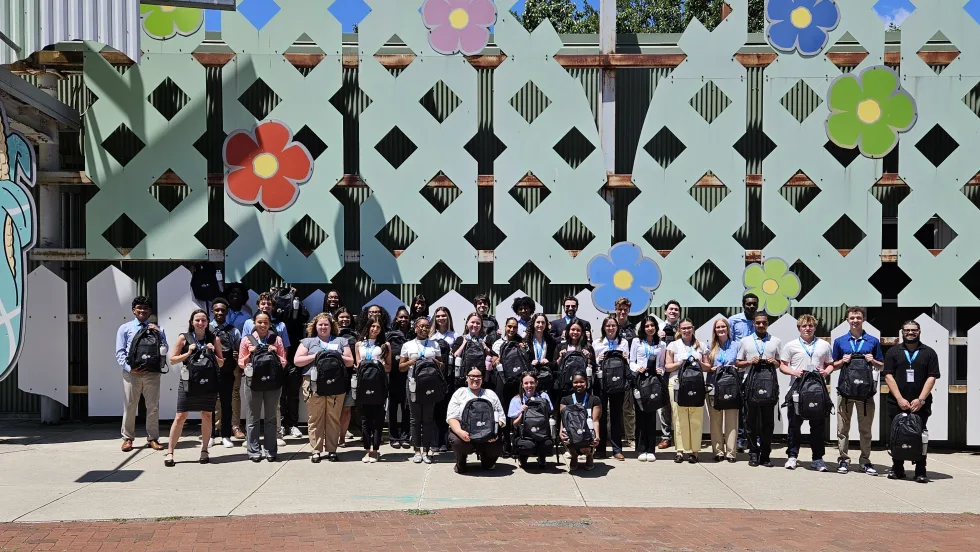
More Than a Summer Job: Building the Next Generation of Transit Talent
The Delaware River Port Authority and PATCO have transformed their internship program into a hands-on professional development experience that introduces students to the breadth of transportation careers — and creates a pipeline for future employees.
Read More →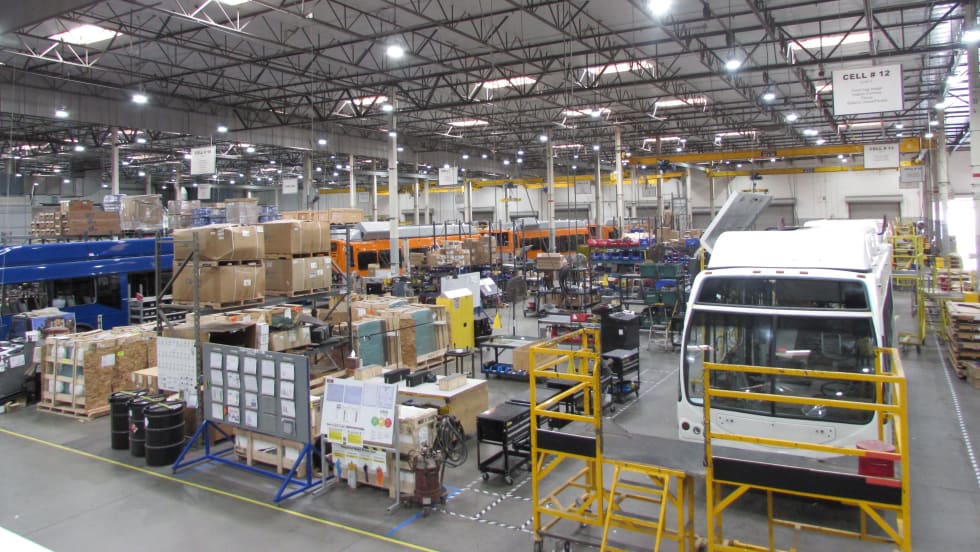
LA Metro Board Awards 220 Battery-Electric Bus Contract to ENC
The contract, which is the largest base award of battery-electric buses by a U.S. transit agency, will be built in Southern California, sustaining good jobs as LA prepares to welcome the world in 2028
Read More →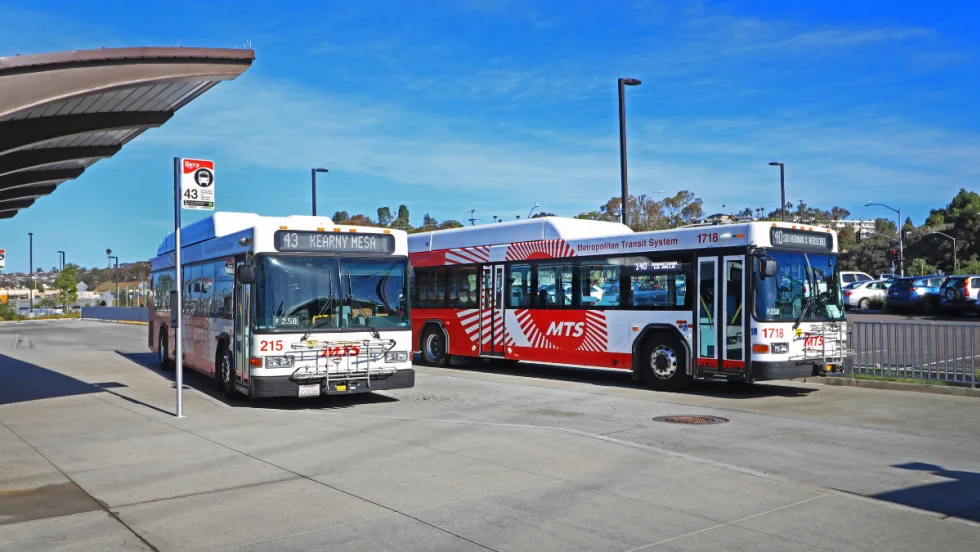
What’s Behind San Diego MTS’s Award-Winning Transit Strategy
Named one of APTA’s 2026 Outstanding Public Transportation Systems with 50 million or more annual passenger trips, California’s San Diego Metropolitan Transit System points to gains in ridership, safety, technology, and reliability as foundations of its success.
Read More →
Public Transit Conference Returning to GFX in 2027, Call for Papers Now Open
The Call for Papers is now open, allowing transit agency professionals and industry experts to help shape the PTC educational program by submitting session ideas for consideration.
Read More →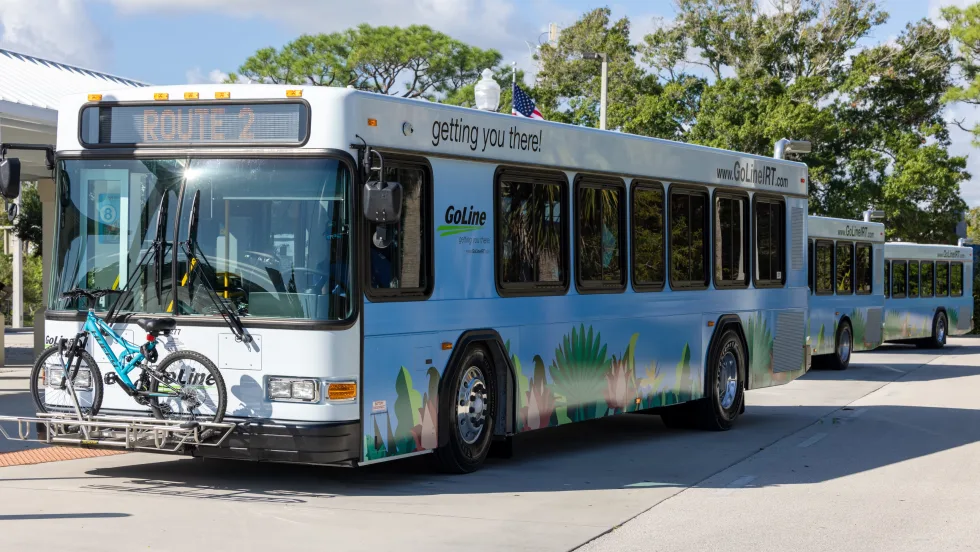
Indian River Transit’s Community-Focused Approach Earns National Recognition
Named APTA’s 2026 Outstanding Public Transportation System in its size category, Florida’s Indian River County transit system continues to grow ridership through fare-free service and a focus on evolving community needs.
Read More →
ENC Lands MATA Contract and More in Biz Briefs
In this edition of Biz Briefs, we spotlight the latest developments shaping the future of mobility.
Read More →From Surviving to Thriving: Building Stronger Transportation Organizations
Bus Business Consultants founder Brian Dickson shares lessons on leadership, organizational health, and creating options for long-term success in a changing transportation industry.
Read More →