



LA Metro Metro Approves Establishment of Transit Community Public Safety Department
The objectives of the Metro TCPSD are increased visibility, accountability, and consistent service delivery, which will result in a safer transit system for Metro employees and customers using a specialized transit community public safety workforce.

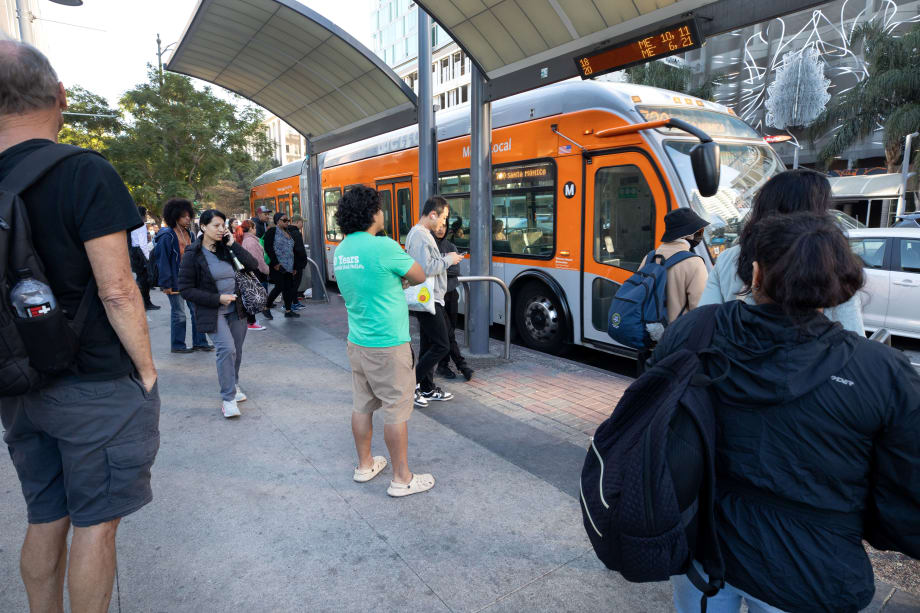
The Metro TCPSD personnel will be trained to address the needs of the transit system, its employees, and its customers.
Photo: LA Metro
The Los Angeles County Metropolitan Transportation Authority (Metro) board unanimously approved the establishment of the Metro Transit Community Public Safety Department (TCPSD).
The objectives of the Metro TCPSD are increased visibility, accountability, and consistent service delivery, which will result in a safer transit system for Metro employees and customers using a specialized transit community public safety workforce who are trained specifically to address the needs of transit riders, as well as care-based strategies
LA Metro’s Community Public Safety Program
The Metro TCPSD personnel will be trained to address the needs of the transit system, its employees, and its customers.
The TCPSD will maintain the current number of 386 law enforcement officers deployed daily in the field, while increasing the daily deployment of Ambassadors (+141), homeless outreach (+five) and crisis intervention (+81) staff. The plan also allocates $5 million annually for innovative public safety infrastructure improvements at transit stations.
The new TCPSD is expected to cost $192,566,505 per year, compared to the current $194,051,691 Multi-Agency Contract Cost. Metro will reinvest the savings achieved by moving away from the costly multi-contract service model in care strategies.
How it Will Work
By increasing safety layers, the model will enhance coordination, improve response times, and ensure that the specific needs of riders are met with a tailored approach based upon the prevalence of quality-of-life incidents on the Metro system. This holistic approach not only bolsters security but also fosters a safer and more supportive environment for all Metro users.
The transition to the Metro TCPSD will occur in three phases over the next five years. All current contract law enforcement agencies have agreed to cooperate with the transition and there will be no disruption of law enforcement services as the new Metro TCPSD is developed.
Metro will now create a dedicated Transition Team of subject matter experts who will serve as the cornerstone for orchestrating a seamless shift toward the envisioned department, ensuring effective coordination both internally and externally.
Additionally, a Chief of Police will be hired. The selection process for this newly created role will include engaging Metro’s customers and employees to ensure the selection resonates with the transit community's expectations.
The Department will embody a modern model of proactive community transit policing using training that is specific to the transit environment.
"We are addressing complex public safety issues that require a bold, new approach," said Metro CEO Stephanie Wiggins. "The Metro TCPSD will go far beyond providing law enforcement to address crime. We will introduce a fresh, new public safety model that puts people at the center and addresses quality of life issues that have become so prevalent in cities and transit systems across the country."
More Security and Safety

Transit Agencies Highlight Safety Gains at National Summit
Leaders from 15 major transit systems shared crime-reduction results and safety initiatives while discussing the role of continued federal support.
Read More →
DART Launches Major Security, Fare Enforcement Initiative
The 90-day demonstration will deploy coordinated security teams at five light rail stations while testing controlled access and gathering data to guide future investments.
Read More →
RTD Launches NextRide App to Consolidate Trip Planning, Fares, Security Reporting
The app expands on RTD’s existing NextRide web application and allows customers to view real-time vehicle locations and service alerts, purchase and store digital fares, and access customer support.
Read More →

TAPTCO Updates OSHA Compliance Training for Transit Maintenance Operations
The revamped program addresses 26 OSHA standards for maintenance facilities, with TAPTCO pointing to training, documentation, and everyday shop hazards as continuing challenges for transit operations.
Read More →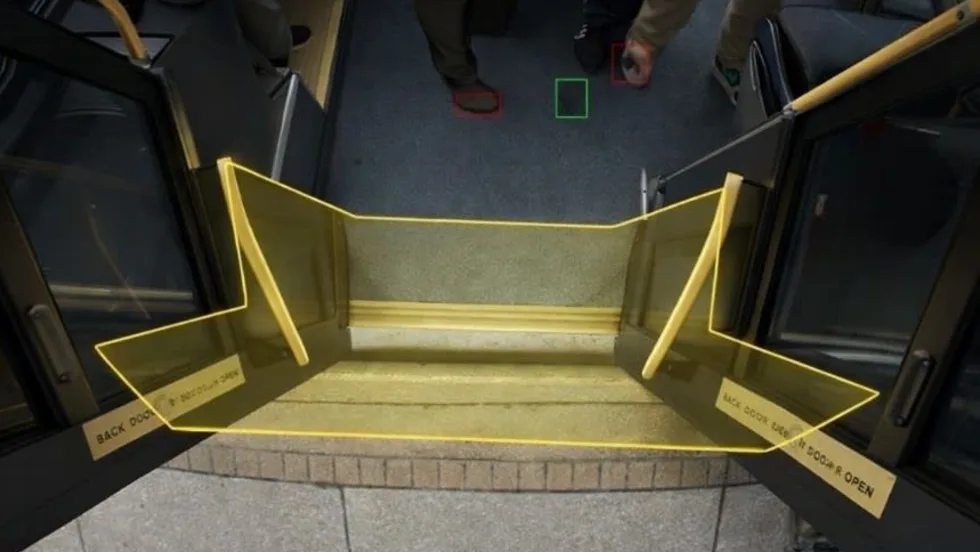
How VaporVision Adds Value to Transit Door Systems
Wabtec engineers explain how the system improves doorway detection, strengthens diagnostics and gives transit agencies and OEMs greater operating flexibility.
Read More →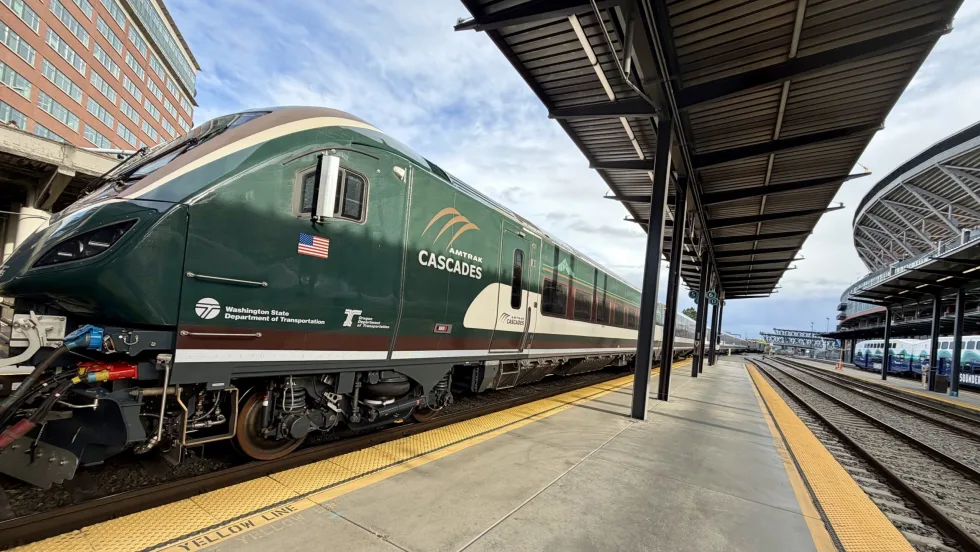
FRA Announces $5.3B in Rail Investments, Including $2B for Amtrak
Funding will support grade-crossing improvements, infrastructure upgrades, and new Amtrak equipment in 23 states.
Read More →
Chicago, Maryland Expand Non-Law-Enforcement Safety, Rider Support
The CTA and MTA are launching new programs aimed at de-escalation, crisis response, rider assistance, and greater transparency.
Read More →
LA Metro, City of West Hollywood, and Partners Advance Smarter Bus Lane Enforcement
The award-winning partnership combines AI-powered detection with human oversight to improve bus reliability, accessibility, and enforcement efficiency.
Read More →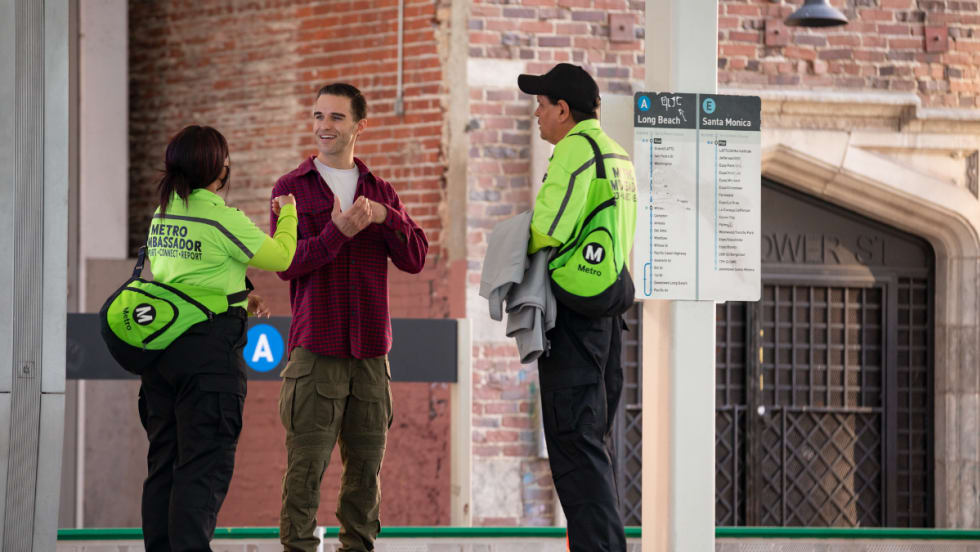
LA Metro Reports 57% Decline in Homelessness on Transit System Since 2024
The agency's latest homelessness count offers new data on how care-based services and cross-sector partnerships can complement traditional transit security strategies.
Read More →
FTA Launches 'Transit Moves America' Dashboard to Highlight Agency Safety and Performance
The online dashboard transforms National Transit Database information into a public-facing resource that allows users to compare transit agencies on key operational and safety metrics.
Read More →