



Chicago to Pilot ZeroEyes Gun Detection Technology
The technology has already been implemented in a variety of settings including other major transit agencies, schools, and more, and is also currently in use at Chicago’s Navy Pier.

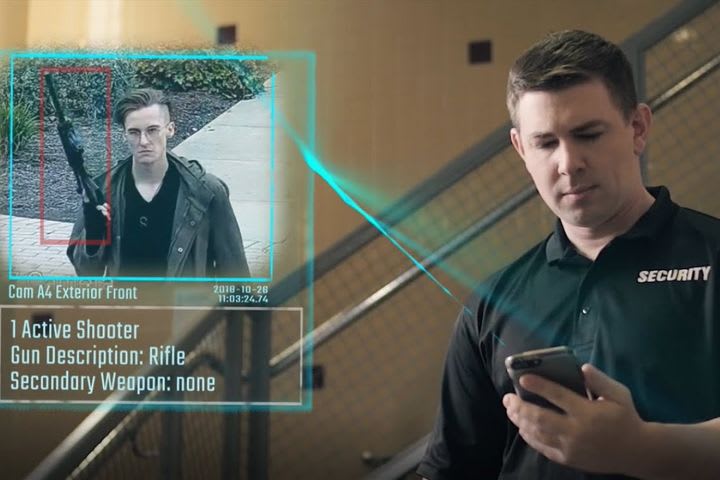
If a brandished firearm is detected, an image is automatically sent to the ZeroEyes Operation Centers (ZOCs), which are staffed by military and law enforcement veterans for human verification.
Photo: ZeroEyes
As part of its continued efforts to enhance the security of riders and its employees, the Chicago Transit Authority (CTA) will pilot the implementation of
’ proactive Artificial Intelligence (AI)-based technology, which leverages existing security cameras to specifically monitor for and alert security officials to only brandished firearms.
“Ensuring the safety and security of our riders and employees is our number one priority at the CTA, and this pilot allows us to explore how new technology may be able to support these efforts and further enhance already successful and effective technologies currently in place,” said
President Dorval R. Carter Jr. “Instances of crime on the system are comparatively rare, and the CTA is proud to provide safe and reliable transportation to roughly one million riders a day. Our hope is this added measure of protection provides additional peace of mind to everyone.”
Increasing Safety on CTA
As part of its ongoing commitment to a multi-pronged approach to combating incidents of crime on and near CTA properties, the CTA has partnered with the technology company ZeroEyes, which provides a visual gun detection and situational awareness software platform based on computer vision and advanced machine learning AI.
The technology has already been implemented in a variety of settings including other major transit agencies, schools, and more, and is also currently in use at
The ZeroEyes Technology
ZeroEyes technology uses
footage to identify only brandished guns.
If a brandished firearm is detected, an image is automatically sent to the
(ZOCs), which are staffed by military and law enforcement veterans for human verification.
The ZeroEyes staff would then verify if the object detected is in fact a true brandished firearm and will then notify local law enforcement so they can immediately respond.
does not feature facial identification technology.
With this new technology, local law enforcement would be notified of a threat very quickly, often under one minute, after the system has a detection.
Notification to law enforcement includes a photograph of a suspected gunman, gun type, and specific location.
Adding to CTA’s Safety Practices
The Chicago Police Department (CPD) provides law enforcement and patrols the CTA system. The CTA’s Security Department works in close coordination with CPD on a daily basis,
is used to identify criminal activity and investigate reported customer and employee issues on the rail and bus systems.
The CTA supplements CPD’s enforcement efforts with hundreds of additional personnel deployed across the system daily who are also focused on customer and
.
CTA awarded a 12-month contract to ZeroEyes, valued at up to $200,000, and will provide 24/7 monitoring of multiple cameras across the rail system, plus supervision and supporting equipment.
The contract is being paid for with funds from the
More Security and Safety

Transit Agencies Highlight Safety Gains at National Summit
Leaders from 15 major transit systems shared crime-reduction results and safety initiatives while discussing the role of continued federal support.
Read More →
DART Launches Major Security, Fare Enforcement Initiative
The 90-day demonstration will deploy coordinated security teams at five light rail stations while testing controlled access and gathering data to guide future investments.
Read More →
RTD Launches NextRide App to Consolidate Trip Planning, Fares, Security Reporting
The app expands on RTD’s existing NextRide web application and allows customers to view real-time vehicle locations and service alerts, purchase and store digital fares, and access customer support.
Read More →
TAPTCO Updates OSHA Compliance Training for Transit Maintenance Operations
The revamped program addresses 26 OSHA standards for maintenance facilities, with TAPTCO pointing to training, documentation, and everyday shop hazards as continuing challenges for transit operations.
Read More →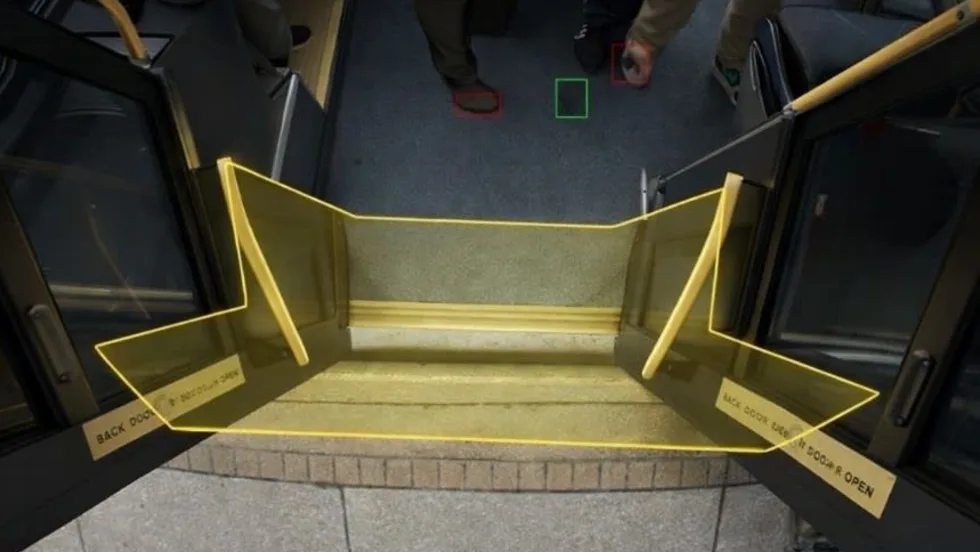
How VaporVision Adds Value to Transit Door Systems
Wabtec engineers explain how the system improves doorway detection, strengthens diagnostics and gives transit agencies and OEMs greater operating flexibility.
Read More →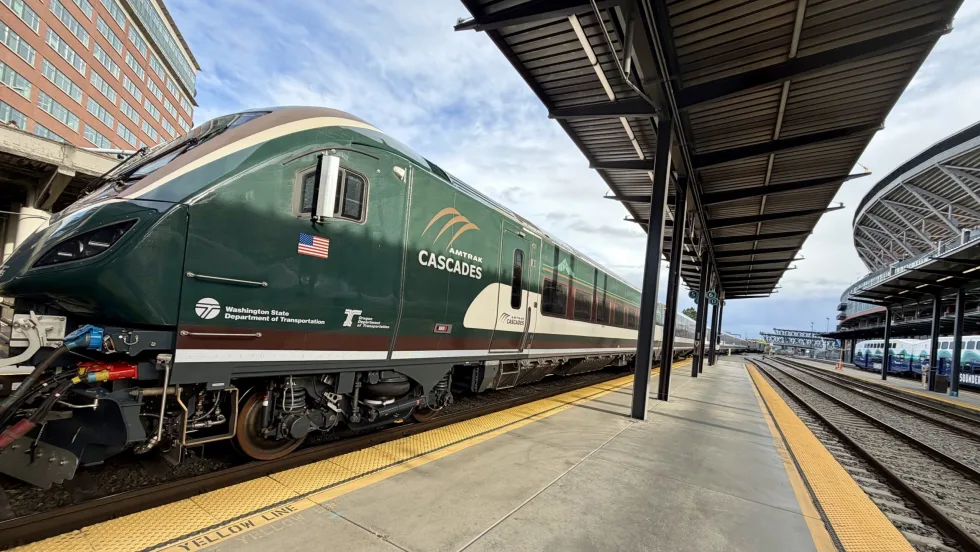
FRA Announces $5.3B in Rail Investments, Including $2B for Amtrak
Funding will support grade-crossing improvements, infrastructure upgrades, and new Amtrak equipment in 23 states.
Read More →
Chicago, Maryland Expand Non-Law-Enforcement Safety, Rider Support
The CTA and MTA are launching new programs aimed at de-escalation, crisis response, rider assistance, and greater transparency.
Read More →
LA Metro, City of West Hollywood, and Partners Advance Smarter Bus Lane Enforcement
The award-winning partnership combines AI-powered detection with human oversight to improve bus reliability, accessibility, and enforcement efficiency.
Read More →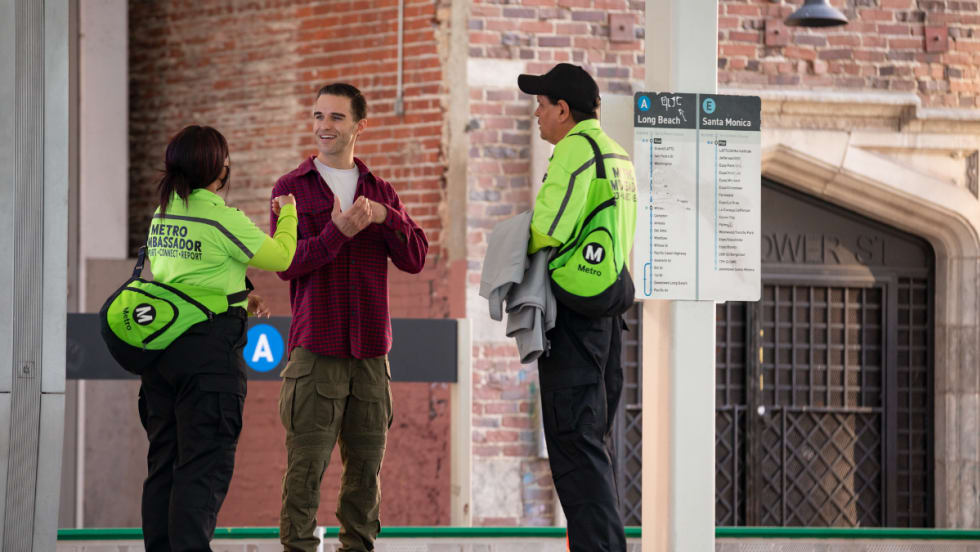
LA Metro Reports 57% Decline in Homelessness on Transit System Since 2024
The agency's latest homelessness count offers new data on how care-based services and cross-sector partnerships can complement traditional transit security strategies.
Read More →
FTA Launches 'Transit Moves America' Dashboard to Highlight Agency Safety and Performance
The online dashboard transforms National Transit Database information into a public-facing resource that allows users to compare transit agencies on key operational and safety metrics.
Read More →