



TRC Unveils 9 Pingo Upgrades to Simplify Paratransit Operations and More
The enhancements introduce nine new features, designed to significantly elevate the experience for dispatchers and call center reservationists, while further solidifying Pingo as the highest-rated paratransit platform on the market.


The Smart Round Trips feature simplifies round-trip bookings to just two clicks, enabling faster scheduling for busy agents.
Photo: TRC
The Routing Company (TRC) announced a powerful suite of upgrades to its Pingo Access product.
The enhancements introduce nine new features, designed to significantly elevate the experience for dispatchers and call center reservationists, while further solidifying Pingo as the highest-rated paratransit platform on the market.
Pingo’s New Features
With features such as round-trip bookings, rider saved addresses, quiet hours, and dispatch-to-driver communication, the upgrades deliver tangible benefits that simplify complex processes, streamline operations, and improve the quality of service for paratransit systems.
"We’re pushing the boundaries of what transit technology can do, particularly in how we create meaningful experiences for all users," said James Cox, CEO, TRC. "Paratransit is one of the most complex and critical elements of public transit, and we’re committed to ensuring that the user experience for riders, reservationists, and dispatchers is nothing short of exceptional. As we continue to invest in our platform, we’re excited about the role we play in improving the quality of life for communities that depend on accessible and equitable transit."
Six User-Centric Features
The latest enhancements focus on reducing friction and increasing convenience for call center reservationists. Highlights include:
Smart Round Trips: Simplifying round-trip bookings to just two clicks, enabling faster scheduling for busy agents.
Rider Saved Addresses: Agents can now save commonly used addresses and access them with a single click during the booking process, improving booking speed and accuracy.
Saved Notification Preferences: Riders can store their preferred notification methods, reducing manual data entry for agents.
Quiet Hours: A feature to mute non-urgent notifications during designated hours, optimizing productivity and rider experience.
Custom Subscriptions: Riders can pre-schedule recurring trips, freeing up call center agents from handling repetitive booking requests.
Persistent Driver Notes: Easily accessible notes allow drivers to understand riders’ needs on every trip, ensuring personalized service.
Redefining the Dispatcher Experience
In tandem, the remaining three upgrades deliver critical enhancements for dispatchers, addressing the complex needs of modern transit systems:
Instant Service Alerts: Real-time notifications sent through the Ride Pingo app keep riders informed of service disruptions, leveraging the latest in GTFS Service Alerts.
Priority Pickup Reordering: More than just reassigning trips, dispatchers can now customize the order of pickups and drop-offs on a manifest. These custom orders are preserved even when the global optimizer kicks in.
Dispatch-to-Driver Communication: A two-way communication tool that allows dispatchers and drivers to seamlessly share texts, images, and voice notes, making coordination faster and more effective.
Today’s upgrade further advances TRC’s One Transit operating model, where seamless integration of transit modes create a truly unified transit system that is accessible and equitable for all riders.
The integration of two or more transit modes not only enhances operational efficiency, but it also represents a significant move towards inclusive public transportation by treating all riders as equals — whether they’re using paratransit, microtransit, or fixed routes.
More Technology
Building a Flexible Path to Transit Electrification with BAE's John Hroncich
John Hroncich discusses BAE Systems’ modular and scalable approach, lessons learned from decades of real-world operations, and how agencies can identify electrification strategies that fit their fleets.
Read More →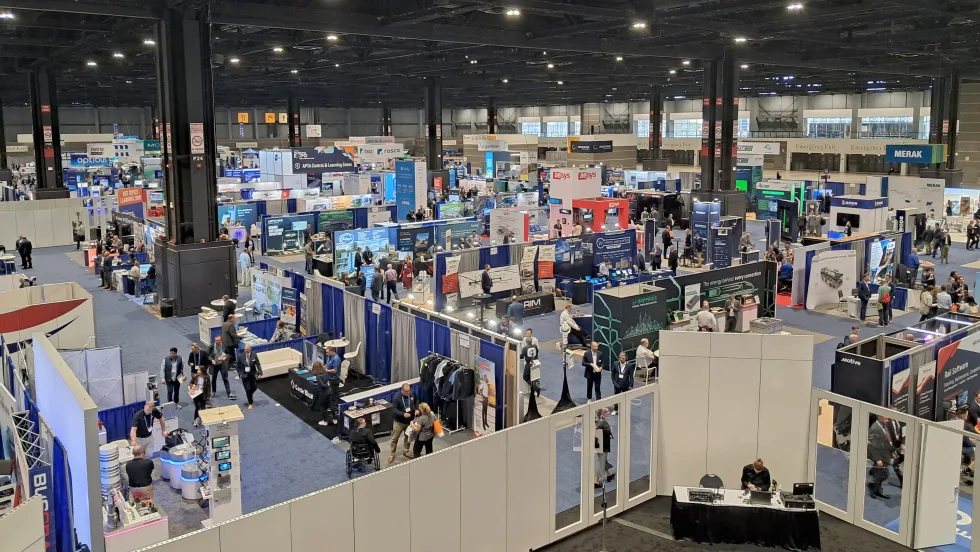
Scenes from APTA TRANSform & EXPO 2026
Transit leaders, manufacturers, and industry professionals gathered in Chicago to explore new technologies, share ideas, and discuss the future of public transportation.
Read More →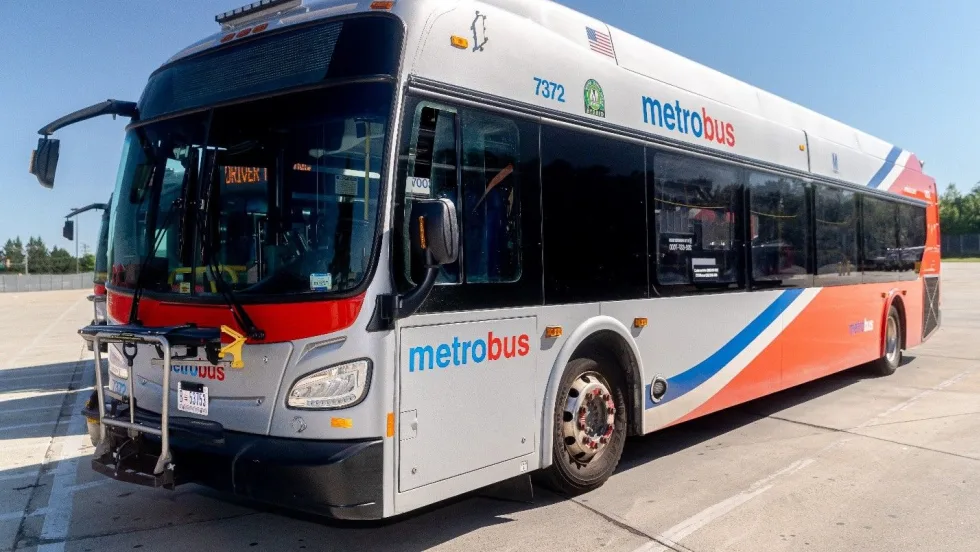
Biz Briefs: New Flyer Secures Additional 100-Bus Order from WMATA and More
In METRO's latest installment, we also take a look at recent news from Masabi, MCI, Samsara, and more partnerships making headlines across the transportation sector.
Read More →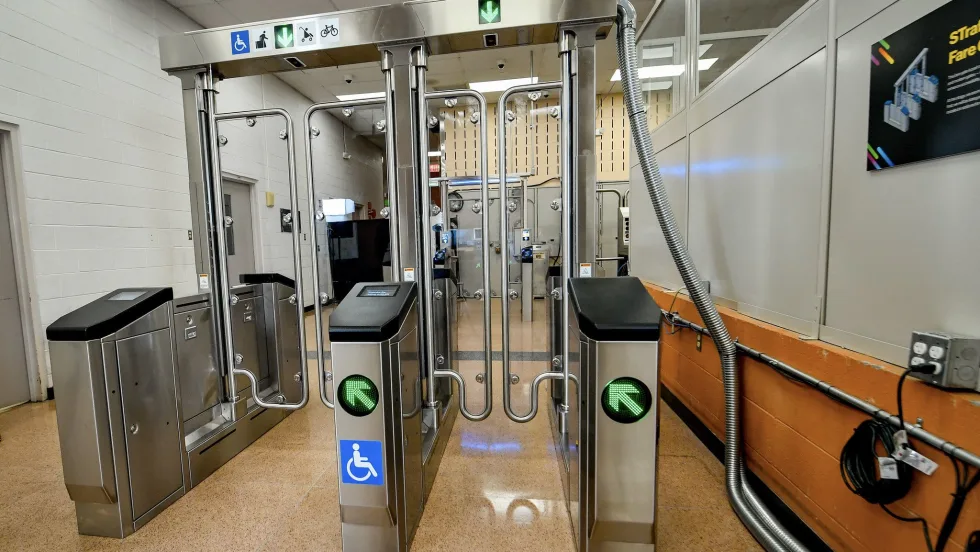
MTA Fare Gate Pilot Reduces Fare Evasion by 35%
Following a 20-station pilot, the agency plans to install new fare gates at 20 additional subway stations as part of a $1.1 billion modernization initiative.
Read More →
California Law Extends AC Transit’s Bus Lane Camera Enforcement
The new law allows AC Transit to continue using forward-facing bus cameras to enforce parking violations in bus-only lanes and at bus stops.
Read More →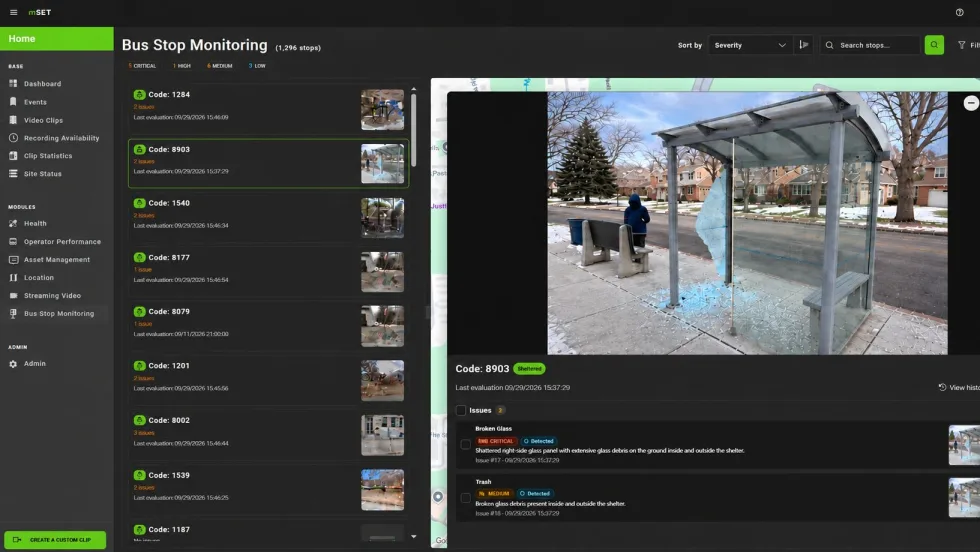
Biz Briefs: Luminator Launches AI Technology to Monitor Bus Stop Conditions and More
In METRO's latest installment, we also take a look at recent news from Masabi, Troman Industries, ioki, CCW, and more partnerships making headlines across the transportation sector.
Read More →
Public Transit Conference Returning to GFX in 2027, Call for Papers Now Open
The Call for Papers is now open, allowing transit agency professionals and industry experts to help shape the PTC educational program by submitting session ideas for consideration.
Read More →
ENC Lands MATA Contract and More in Biz Briefs
In this edition of Biz Briefs, we spotlight the latest developments shaping the future of mobility.
Read More →
Strada360’s Steve Lassey on Turning Transit Data Into Better Decisions
From breaking down data silos to preparing for AI, Strada360 CEO Steve Lassey discusses how transit agencies can use technology to improve operations, customer information, and long-term decision-making.
Read More →
Almaviva Looks to Open Architecture to Advance Transit Technology
Eric Reese discusses how interoperability, open architecture, and modular design can help transit agencies control costs, reduce vendor lock-in, and upgrade technology without starting over.
Read More →