




More News: Toronto Adds New Battery-Electric Buses
Vancouver Mayors Urge Voters Ask for Rapid Transit
Vancouver’s North Shore area could lose most transit access if TransLink funding issues are not addressed.
October 3, 2024
3 min to read
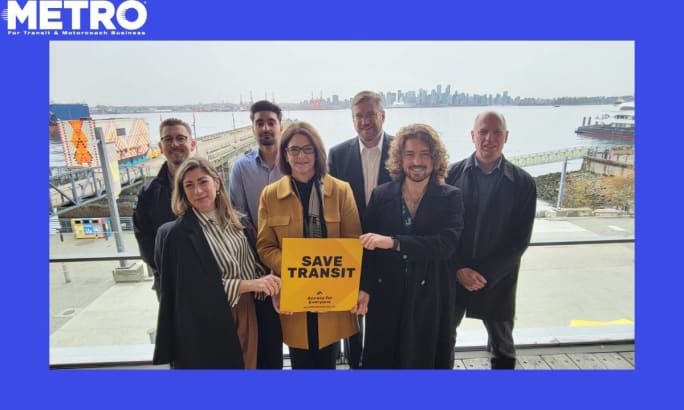
Mayor Linda Buchanan and Mayor Mike Little were joined by local business owners and community members in support of the Save Transit campaign.
Photo: TransLink
The Mayors of the City and District of North Vancouver gathered alongside local business owners and the community in support of the Save Transit campaign.
The campaign urges provincial election candidates to commit to fixing TransLink’s broken funding model and encourages the community to act by sending letters to local candidates.
“North Shore residents, employers and workers have had enough of traffic congestion and overcrowding on buses,” said Linda Buchanan, mayor of the City of North Vancouver. “The Mayors of the North Shore have worked to ensure rapid transit for our communities is a priority in the Access for Everyone Plan, but instead of moving forward, our transit system is under threat. Without provincial funding, we are facing drastic cuts to service that will immediately put thousands more cars on our roads.”
According to a recent survey, it was revealed that 77% of North Shore residents believe transit is an important election issue. Most North Shore residents also showed concern about possible cuts.
The Importance of Transit
TransLink faces a $600 million structural deficit and with no new funding committed it is preparing to put the Access for Everyone plans on hold. Significant cuts are also being planned that will reduce transit services across the region.
“Whether you are driving along the Upper Levels Highway, getting through town on city streets or trying to access either of the bridges, traffic congestion has become a grim reality for the North Shore that is only getting worse as our population grows,” said Mike Little, mayor of the District of North Vancouver. “We can’t delay better transit infrastructure any longer. We have the plan for transit expansion, and we’re ready to go. The residents of the North Shore deserve to know whether provincial election candidates will commit to ensuring we have the resources available to continue to grow as a region.”
Without a new, sustainable funding model for TransLink, plans for a new Bus Rapid Transit line from Park Royal to Metrotown will be shelved.
Transit cuts will mean most bus services on the North Shore would be reallocated to higher population areas in the region. The remaining bus services could end at 8 p.m.
What Happens Without Change
InterVistas Consulting Inc. released a report outlining the economic impact of service cuts and cited that much of the North Shore would be left with little to no transit access. The report notes that congestion would increase by up to 20% across Metro Vancouver.
Cuts to transit could limit mobility for workers and make jobs on the North Shore more difficult to access. Fewer people would be willing to travel in and out of the area for work and those who do would likely have to travel by vehicle. All of this would shrink the North Shore job pool and hinder economic growth and output.
“The North Shore is an invaluable contributor to the regional and national economy,” Mayor Buchanan added. “We are home to Canada’s largest port and many other vital employers. If congestion prevents these employers from delivering, the economic ripple effect will be felt well beyond the North Shore.”
Pushing for Changes
TransLink's Mayors’ Council sent an open letter to B.C. political party leaders calling for them to commit to immediate funding for Trans Link and roll out the first phase of the Access for Everyone plan in April 2025.
Other organizations from around the region have joined the Mayors’ Council in calling for transit investment.
“As the election approaches, we need North Shore residents to make their voices heard and for candidates to listen,” added Mayor Little. “We have had enough of congestion and delays. It’s time for the next Provincial government to do the right thing, support the Access for Everyone plan and save transit for our community and our region.”
Metro Vancouver residents can visit the Access for Everyone website to send a letter to their local candidates and provincial party leaders.
More Management
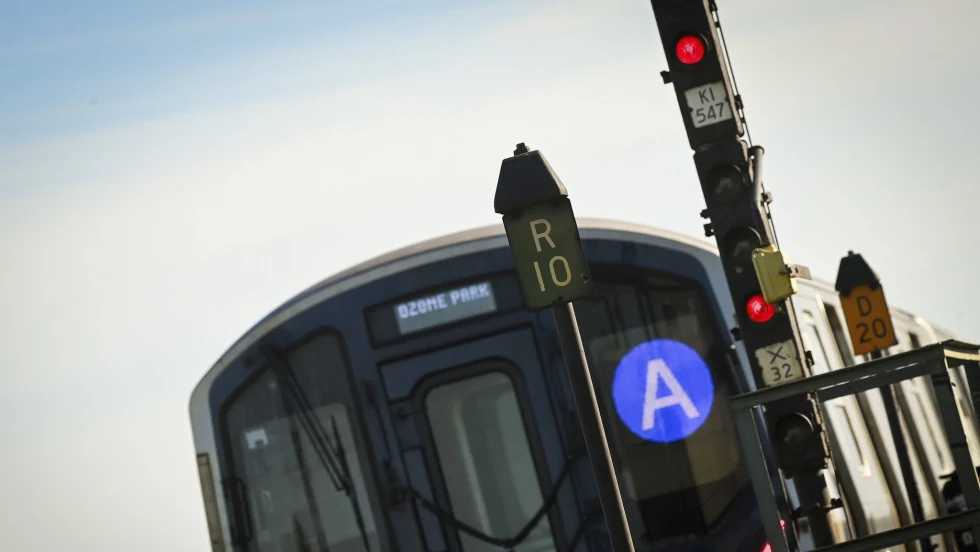
New York MTA Launches Historic $1.9B Signal, Track Modernization Project
Funded in part by congestion pricing revenue, the project will replace nearly century-old signals along the A and C lines in Brooklyn and Queens.
Read More →
Brian Dickson on Building Stronger, More Resilient Transportation Organizations
Bus Business Consultants Founder Brian Dickson discusses the leadership principles, operational discipline, and strategic planning that separate transportation companies positioned for long-term success from those stuck in survival mode.
Read More →
LA Metro Breaks Ground on Vermont BRT Project
The 12.4-mile corridor is projected to serve 66,200 daily riders, reduce travel times by up to 24%, and create the nation's busiest bus rapid transit corridor.
Read More →
Building Stronger Leaders, More Resilient Transit Teams
Dr. Carol Parker Walsh discusses leadership development, employee retention, workplace culture, and preparing transit’s workforce for AI and automation.
Read More →
Roman Cornell on ABC Companies’ Evolution and the Future of Passenger Transportation
The company’s CEO discusses carrying forward a third-generation family legacy, ABC’s continued evolution in passenger transportation, support for increasingly complex fleets, and how technology and continued investment could help operators improve uptime.
Read More →
CATS Launches West Charlotte Microtransit Zone, Expands Transit Services
The new microtransit zone connects residents to key destinations as Charlotte Area Transit System rolls out the first phase of its 2055 Transit System Plan.
Read More →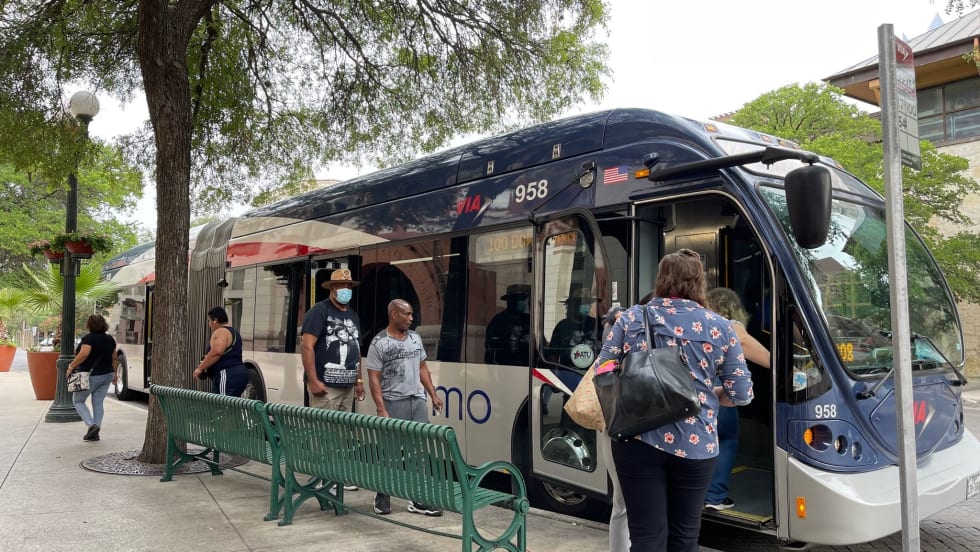
VIA Bus Ridership Grows 10.1% Through August 2026
San Antonio's VIA Metropolitan Transit reported the highest bus ridership growth among major Texas transit systems. Federal Transit Administration data ranked it second among the nation's 50 largest transit systems.
Read More →
CSA Group Releases Climate Resilience Standard for Transit, Passenger Rail
Developed with support from the Standards Council of Canada, CSA D700 guides assessing climate-related risks and planning adaptation measures for transit and passenger rail systems.
Read More →
ETA CEO John Maglio on Transit Technology, Innovation, and Building Agency Trust
ETA founder and CEO John Maglio explores the evolution of transit technology, the importance of reliable systems, and how stronger partnerships can help agencies improve operations and the passenger experience.
Read More →
COTA Launches First Customer Experience Action Plan to Improve Transit Service
The new plan outlines improvements to service reliability, accessibility, communication, and the overall rider experience across Central Ohio's transit system.
Read More →