



MBTA's Red Line Now Slow Zone-Free for First Time in 20 Years
As a result of unencumbered access to track areas, crews accomplished important work to lift two speed restrictions along over 2,000 feet of track as part of the Track Improvement Program.


Critical track and tamping work was performed at MBTA's Red Line stations.
Boston’s MBTA announced the successful completion of critical track work on the Red Line while service was suspended between Harvard and Broadway the evening of November 17 through November 23 and between Harvard and JFK/UMass on November 24.
The Red Line is now completely free of all slow zones for the first time in at least 20 years, joining both the Blue and Orange lines as speed restriction-free.
The Green Line will be free of its final speed restrictions following upcoming track work in December, making the entire subway system free of speed restrictions.
“I’m proud of the tremendous amount of work we’re accomplishing. The track in these areas of the Red Line is very challenging for crews to be able to access, but our workforce was given the unencumbered time on the track that they needed to finally do the work to completely remove these slow zones,” said MBTA GM/CEO Phillip Eng. “There’s more work to do on the Green Line next month to make the entire subway system slow zone-free, but we’re now well-positioned to efficiently maintain our system for years to come with the goal of providing the safe, reliable service our riders can be proud of.”
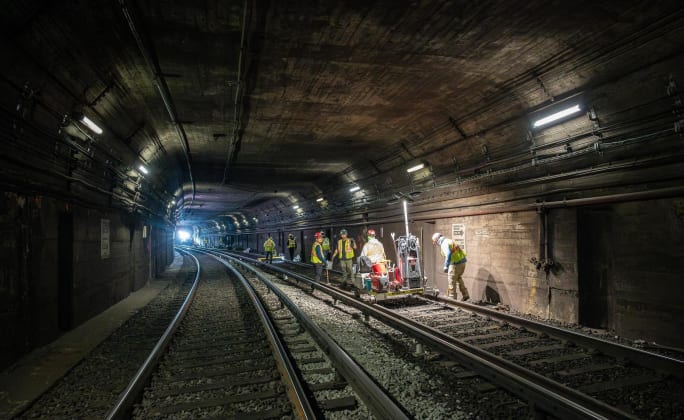
Crews worked in critical track areas during the MBTA's Red Line service suspension.
Work Completed
As a result of unencumbered access to track areas, crews accomplished important work to lift two speed restrictions along over 2,000 feet of track as part of the Track Improvement Program. Workers also maximized the outage by performing signal upgrades, security enhancements, station amenity upgrades, and more.
With unencumbered access to Red Line stations, crews accomplished the following work:
Replaced 2,230 feet of rail.
Performed approximately 970 feet of full depth track replacement.
Replaced 177 ties and 3,350 plates.
Resurfaced and tamped 13,800 feet of track.
A variety of other work also took place along the Red Line to further enhance the rider experience, including:
Stairway repairs at Kendall/MIT, Park Street, and Downtown Crossing.
Repairs to a tunnel construction joint in four locations at Kendall/MIT.
Electrical room repairs at Kendall/MIT.
Signal modernization work, including the installation of wires and cable at Central’s signal room, the removal and replacement of 15 WeeZee bonds, repairs and upgrades to additional bonds, switch and track circuit upgrades, and the installation of new switch infrastructure at the complicated area of crossover track at Park Street.
Electrical work on the outbound Kendall/MIT headhouse.
Security enhancements at Charles/MGH and Park Street.
The completion of door surveys and inspections at stations throughout the shutdown area.
Removed over 1,200 Pandrol Panguard plates with the installation of over 1,200 new resilient RF-A fastener plates between Park Street and Charles/MGH, which will improve noise/vibration mitigation and provide better maintainability.
Power modernization work, including replacing third rail at South Station, as well as power and cable replacement at Kendall/MIT.
Plumbing and drainage improvements, concrete repairs, painting, bench repairs, brick replacement, and power washing within stations throughout the shutdown area.
More Rail
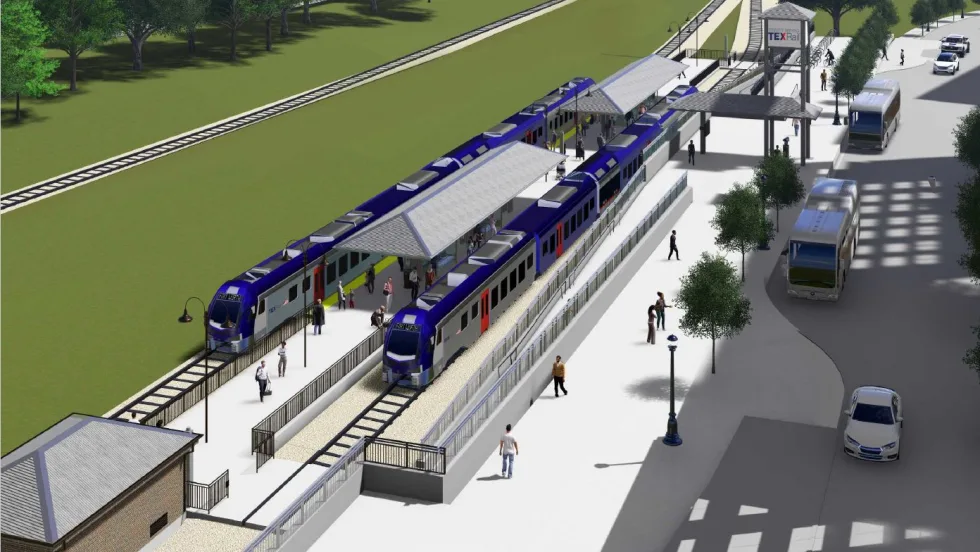
Trinity Metro Breaks Ground on $270M TEXRail Extension
The 2.1-mile extension will connect Fort Worth’s Medical District and Near Southside to downtown, surrounding communities, and Dallas-Fort Worth International Airport.
Read More →
Bringing Austin’s First Light Rail System to Life
Austin Transit Partnership CEO Greg Canally discusses the city's nearly 10-mile light rail project, its collaborative approach to project delivery, the importance of community engagement, and the milestones ahead as construction approaches in 2027.
Read More →
Metra Draft Plan Outlines Costs, Service Improvements for Regional Rail
The Systemwide Network Plan identifies infrastructure needs and potential investments to expand all-day, bidirectional rail service across the Chicago region.
Read More →
Amtrak Completes First Street Tunnel Upgrades, Restores Service
The nine-day construction project included replacing aging track infrastructure and modernizing switch systems near Washington Union Station.
Read More →
FRA Announces $2.3B for Passenger, Freight Rail Projects Nationwide
The CRISI Grant Program funding will support rail infrastructure improvements, safety upgrades, and projects aimed at improving freight and passenger rail service across 45 states and Washington, D.C.
Read More →
Caltrain’s Electrification Drives a New Era of Ridership Growth
The railroad’s shift to electric service has brought more frequent trains, stronger customer satisfaction, and increased ridership, earning it APTA’s Outstanding Public Transportation System award.
Read More →
FTA Advances $164M Broward County Commuter Rail Project
The proposed 10.5-mile commuter rail extension would connect Fort Lauderdale and Aventura, expanding passenger rail options in South Florida.
Read More →
New York MTA Launches Historic $1.9B Signal, Track Modernization Project
Funded in part by congestion pricing revenue, the project will replace nearly century-old signals along the A and C lines in Brooklyn and Queens.
Read More →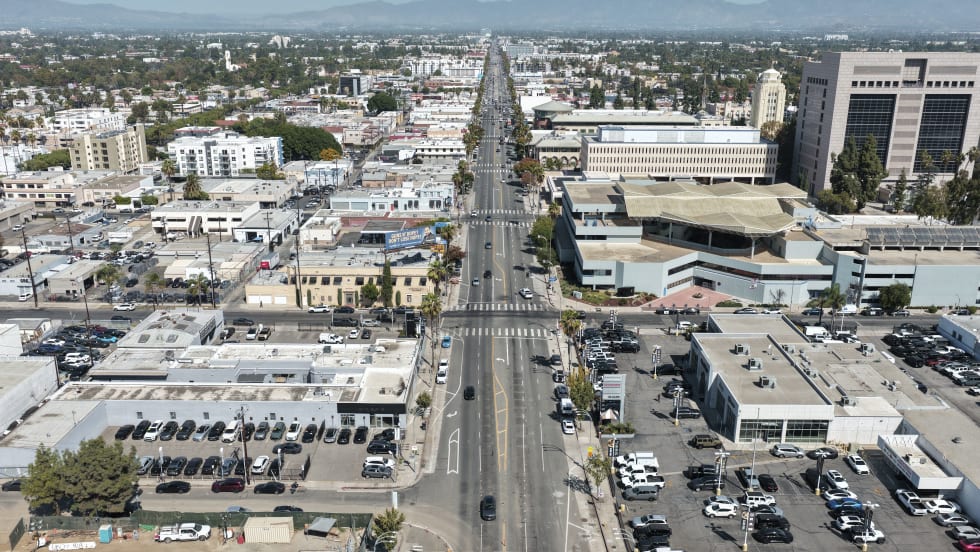
LA Metro Breaks Ground on East San Fernando Valley Light Rail Project
The 6.7-mile line will add 11 stations along Van Nuys Boulevard, expand access to jobs and regional transit connections, and support Metro’s broader efforts to improve mobility as rail ridership grows.
Read More →
CSA Group Releases Climate Resilience Standard for Transit, Passenger Rail
Developed with support from the Standards Council of Canada, CSA D700 guides assessing climate-related risks and planning adaptation measures for transit and passenger rail systems.
Read More →