



New York MTA’s Proposed 2025-2029 Capital Plan Would Contribute Over 70,000 Jobs
The plan also was found to be capable of generating $106 billion in economic activity in New York State.


MTA's proposed capital plan is estimated to create 18,000 jobs outside of New York City.
Photo: Marc A. Hermann
The Partnership for New York City recently commissioned an analysis from EY of the New York Metropolitan Transit Authority (MTA) capital plan for 2025-2029. The analysis found that MTA’s capital plan will generate $106 billion in economic activity and more than 70,000 jobs statewide.
“This analysis indicates that fully funding the MTA’s proposed capital program will be a ‘win-win’ that will catalyze critical improvements in transit service and provide a major boost to the state’s economy,” said Kathryn Wylde, president/CEO of the Partnership for New York City.
Investing in Infrastructure
The report was released at the annual meeting of the New York Building Congress and describes the impact of MTA’s proposed capital investment.
MTA is proposing to invest $68.4 billion in capital improvements and state of good repair of the original mass transit system.
If fully funded, the plan will generate new economic activity across New York State with more than one in four jobs being created outside of New York City. The average direct labor income is estimated to be $119,000 per worker.
Potential Gains
While most of the direct spending will be in New York City, Long Island will potentially gain more than $7.5 billion in GDP and over 10,400 jobs.
Other regions will also see substantial benefits including: $6.1 billion in GDP and 9,160 jobs in Hudson Valley; $50 million and 90 jobs in the North Country; $120 million and 200 jobs in Western New York; $80 million and 140 jobs in the Finger Lakes; $60 million and 100 jobs in Central New York; and $60 million and 100 jobs in the state’s Southern Tier.
“Funding mass transit initiatives not only improves our infrastructure but also grows our economy and bolsters our middle class,” said Gary LaBarbera, president of the Building and Construction Trades Council of Greater New York. “This study affirms that the Capital Plan proposed by the MTA does just that through the creation of thousands of good paying union careers that will help hardworking people all around the state support their families and communities. Investing in our transportation system means investing in the futures of all New Yorkers.”
Keeping Things Local
The proposed capital plan would include major purchases of key equipment from New York based manufacturers, including new rail and subway cars, buses, signaling equipment, and additional tracks.
Implementation of the plan requires expertise and services from New York-based construction, engineering and professional service firms and thousands of workers.
This activity supports both direct and indirect jobs and business revenues throughout the state. Every $1 billion of MTA spending would support nearly 5,900 jobs with every $1 billion spent on rail cars creating 900 jobs.
“It’s no secret the MTA is the economic engine of the region, and this report confirms once again that investing in transit is a smart play for all New Yorkers,” said MTA Chair/CEO Janno Lieber. “The 2025-2029 Capital Plan will not only bring the system into the 21st century, but supports more than 70,000 jobs and generates billions of dollars in economic activity in every corner of the State. Now it just needs to be fully funded.”
More Management

ENC Lands MATA Contract and More in Biz Briefs
In this edition of Biz Briefs, we spotlight the latest developments shaping the future of mobility.
Read More →
From Surviving to Thriving: Building Stronger Transportation Organizations
Bus Business Consultants founder Brian Dickson shares lessons on leadership, organizational health, and creating options for long-term success in a changing transportation industry.
Read More →
Everett Transit, Community Transit Outline Consolidation Agreement
The proposed agreement calls for a 50% increase in bus service in Everett, a new microtransit zone, continued paratransit service, and the transfer of Everett Transit operations to Community Transit.
Read More →

Strada360’s Steve Lassey on Turning Transit Data Into Better Decisions
From breaking down data silos to preparing for AI, Strada360 CEO Steve Lassey discusses how transit agencies can use technology to improve operations, customer information, and long-term decision-making.
Read More →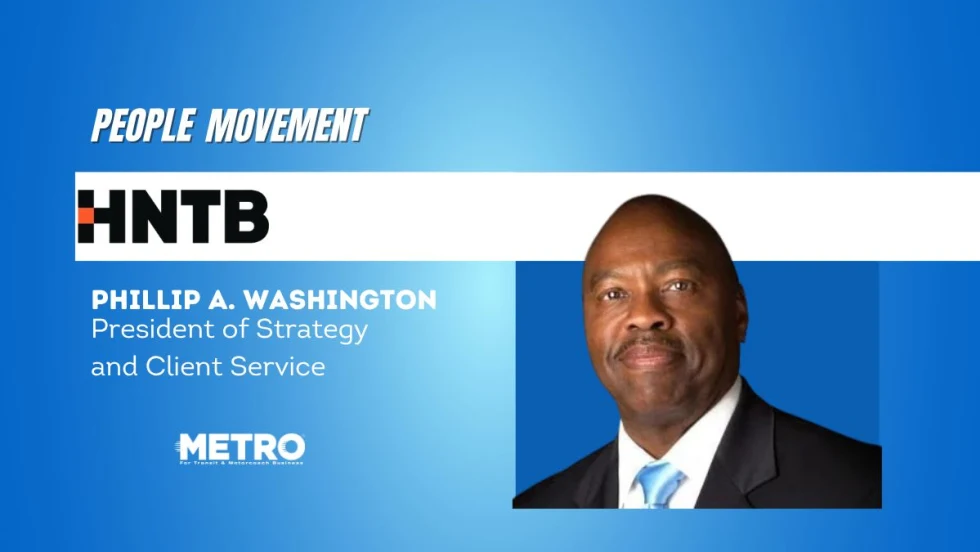
People Movement: Phil Washington Joins HNTB, Denver RTD Launches CEO Search, and More
In this edition, we also spotlight recent personnel moves at STV, the Eno Center for Transportation, and more, highlighting the people taking on new roles across the transportation industry.
Read More →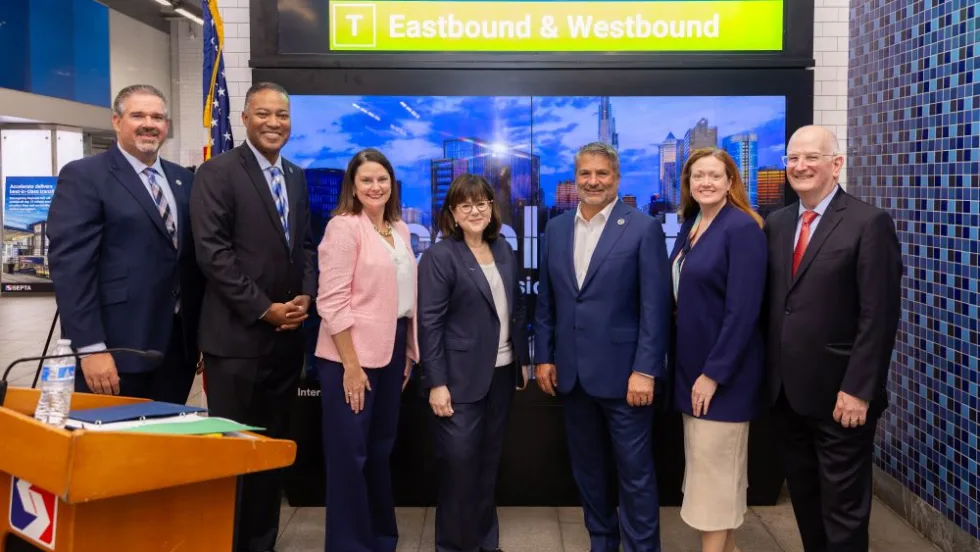
SEPTA Details Accelerate Vision for Transit System
The plan outlines investments in trolley modernization, new Metro and Regional Rail vehicles, accessible stations, and more frequent bus and rail service.
Read More →
FTA Ends Direct Oversight of MBTA Safety Actions
The federal agency closed its remaining special directive to the Massachusetts Department of Public Utilities following a safety review that began in 2022.
Read More →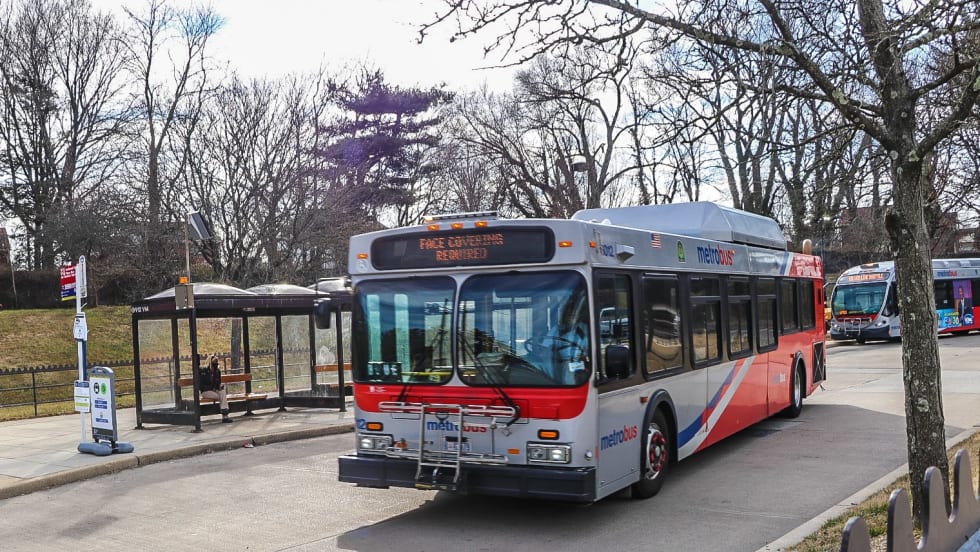
Report: Transit Bus Manufacturing Supports 34,100 Jobs, $5.1B in GDP
The “Buses Mean Business” report examines the transit bus manufacturing industry’s economic footprint, supply chain, and rising demand for vehicle replacements.
Read More →
LIT Marks 10-Year Milestone at Annual Summit
Hosted by the COTA from September 10 to 13, the Summit carried the theme “Celebrating 10 Years of Excellence, Leadership, and Impact,” with every part of the program honoring the people, agencies, and partners who built LIT over its first decade.
Read More →
People Movement: Dan Dipert Coaches Adds Third-Generation Leader, Keolis Names New Valley Metro VP/GM, and More
In this edition, we also cover recent appointments and announcements at the Wabtec, SilverRide, HNTB, and more, showcasing the individuals helping to shape the future of transportation.
Read More →