



Edmonton Transit Extending Bus Services, Frequencies
As outlined in the ETS 2025 Annual Service Plan, these are just some of the ways ETS is working to make transit the first choice for Edmontonians and visitors.

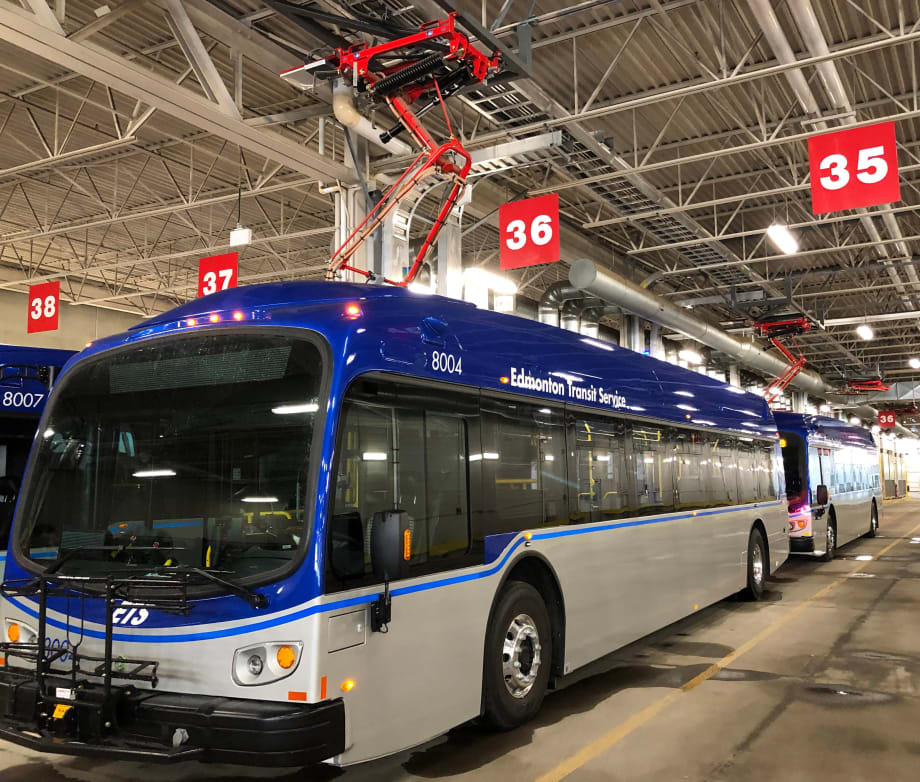
By reallocating service hours and resources, ETS can provide more equitable and accessible transit service across the city.
Photo: ETS
Canada’s Edmonton Transit Service (ETS) is planning to add 50,000 annual hours of bus service in 2025, some of which will be used to increase service frequency on the regional airport route 747.
As outlined in the ETS 2025 Annual Service Plan, these are just some of the ways ETS is working to make transit the first choice for Edmontonians and visitors.
Additional ETS Services
The additional service hours will result in changes to route frequency, more reliable service, and extended service hours on select routes. Twenty new buses will also be added to the fleet to accommodate this additional service.
The Annual Service Plan also highlights a new regular service route in the southwest. This route will replace existing On Demand Transit (ODT) service in Keswick and Glenridding Ravine, beginning in late April.
“All of these changes are intended to improve transit service by making it more reliable, convenient, accessible, inclusive and safe,” said Carrie Hotton-MacDonald, branch manager, ETS. “Hundreds of thousands of trips are completed each day across the network. Whether getting to work, school, appointments or social events, these service adjustments will help make it easier for Edmontonians to choose transit. New multi-day Arc passes and more frequency on the airport route are helping to make transit more appealing to visitors.”
Reoptimizing Service
By reallocating service hours and resources, ETS can provide more equitable and accessible transit service across the city.
In some cases, regular service will be reduced or eliminated in areas with low ridership, enabling frequency to increase on busy routes. For example:
Regular service in Riverdale, Belgravia/Windsor Park and Lendrum/Malmo will be replaced with ODT service in June. ODT provides more flexibility for riders as it operates during all service hours, while some regular service routes operate only during peak hours for these communities.
Some busy school routes will run more frequently. Some school routes with lower ridership will see service reduced, and routes with very low ridership will be cancelled or replaced with ODT in September.
Conventional service hours removed from low performing routes will be reallocated to routes with higher ridership to improve service.
More information about these changes will be made available by ETS in April and May.
“We’re taking a data-driven approach to putting our resources where they are needed most,” Hotton-MacDonald said. “ETS is one of the first transit agencies in Canada to publish Route Report Cards — comprehensive evaluations of each bus route in Edmonton, measuring on-time performance, ridership and service frequency related to transit service standards. These report cards provide greater transparency about how our routes are performing across the network.” Changes are also driven by budget, as well as the City of Edmonton’s transit service policy and service standards.
The City Plan calls for a future where 50% of trips are made by transit and active transportation.
More efficient transit service encourages a shift toward sustainable transportation, helping the City achieve its greenhouse gas emissions reduction targets.
More Bus

Building the Next Generation of Transit Technology
In this edition of METROspectives, Luminator CEO Magnus Friberg discusses the company's transformation, the growing role of AI and software, and what's next for transit technology.
Read More →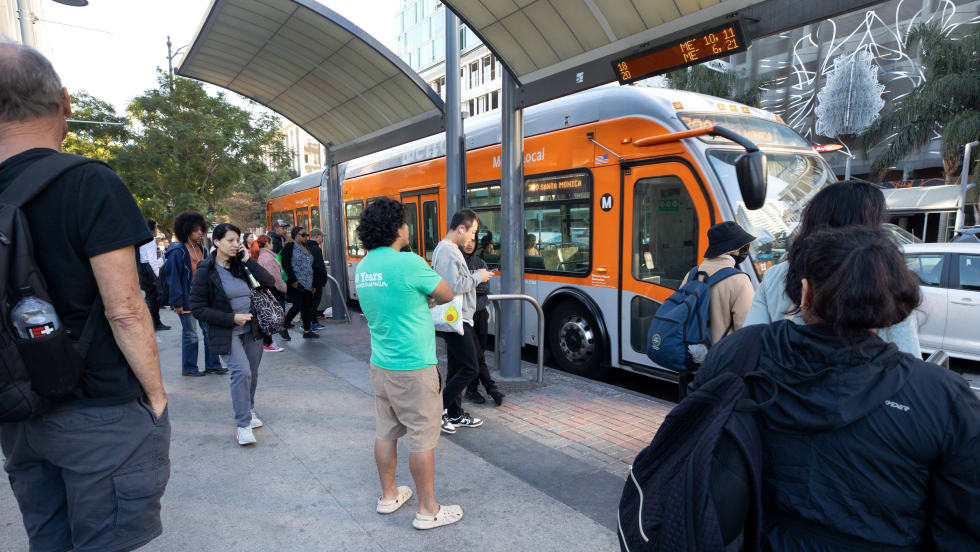
June LA Metro Ridership Surges 2 Million Year Over Year
Total June ridership increased for both weekdays and weekends. Weekday ridership was 953,820, which grew 8.4% from June 2025; Saturdays increased nearly 13% year-over-year to 708,826; and Sundays increased 7.7% to 611,534 from June 2025, according to LA Metro.
Read More →
Washington's Pierce Transit Board Sends Transit Funding Measure to November Ballot
With the adoption of Resolution 2026-006, the measure moves to the Pierce County Auditor, giving voters in the Pierce Transit service area the decision on whether to fund an expansion of local transit service within the agency’s service area.
Read More →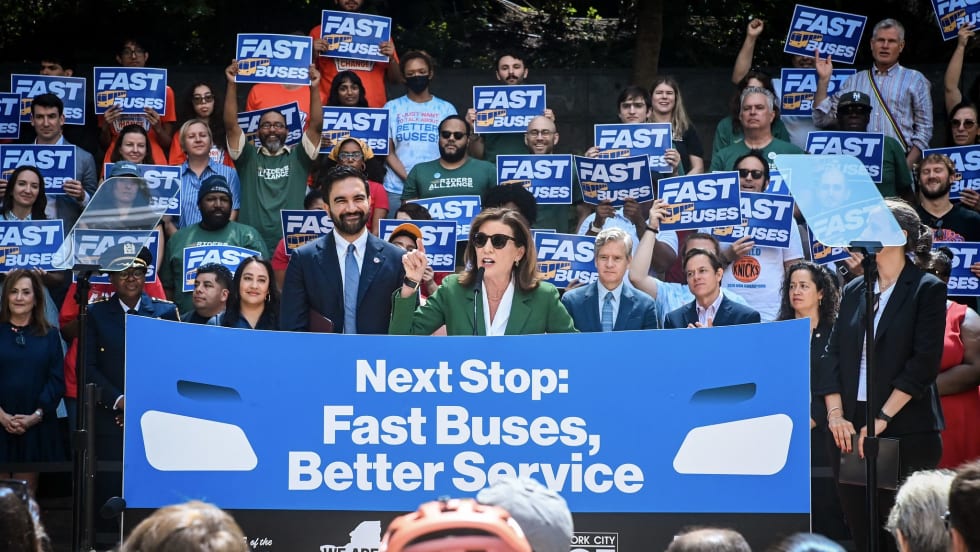
New York Unveils Sweeping Plan to Modernize City Bus Service
Next Stop: Fast Buses, Better Service identifies 50 priority bus corridors for improvements across the five boroughs and launches the City’s next generation of rapid bus service along five key routes.
Read More →
CTDOT Taps STV for Electric Bus Facility Design
The firm will work with CTDOT and RVT to define the facility layout, operational requirements, and long-term flexibility for RVT’s growing electric fleet.
Read More →
Ford to Leave JTA After More Than 10 Years as CEO
He plans to continue his work advancing innovative mobility solutions to improve the quality of life in communities across the nation. He did not announce specific plans.
Read More →
Transit Leaders Push for Bus Procurement Reforms to Reduce Costs
Industry experts said reducing unnecessary bus customization and modernizing purchasing practices could help transit agencies buy more vehicles, improve reliability, and make better use of limited funding.
Read More →
Executive Order Aims to Improve Transit Access Across California
The order directs state agencies to streamline transit project delivery, improve coordination, and expand access to bus and passenger rail services across California.
Read More →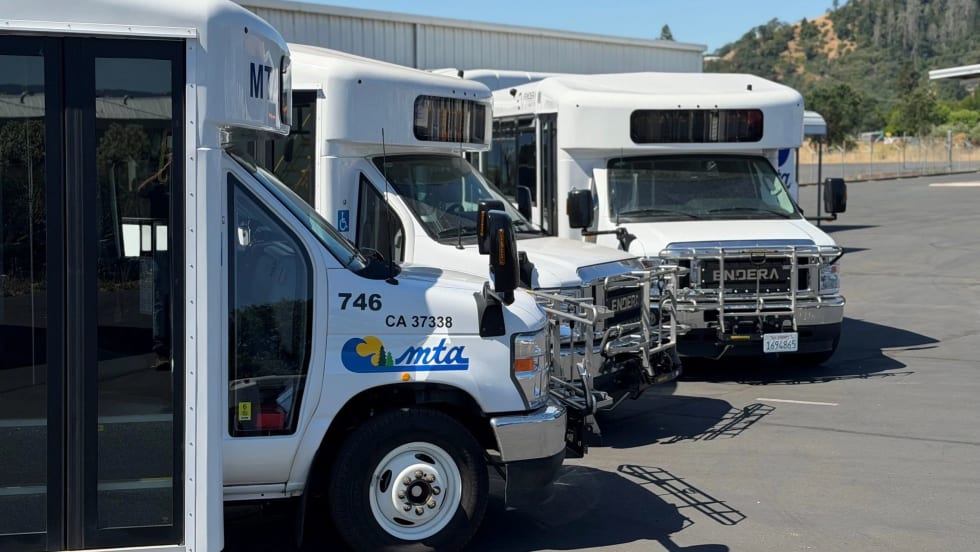
Biz Briefs: Endera Delivers to California, Safety Vision Teams with San Antonio's VIA, and More
From manufacturers and suppliers to transit agencies and motorcoach operators, these updates offer a snapshot of the projects, partnerships and business moves driving the industry forward.
Read More →
VIA's Silver Line Clears Environmental Review, Advances Toward Construction
The VIA Rapid Green Line is currently under construction, with service expected to begin in April 2028.
Read More →