



Navigating the Impact of Tariffs on Transit: A Strategic Approach for Agencies
Here, we explore the multifaceted impact of tariffs on transit, the shifting demographics of bus ridership, and the importance of strategic partnerships in mitigating these challenges.

The impact of tariffs on transit is a complex issue that requires strategic thinking and innovative solutions.
Photo: METRO
- The article discusses the complex effects of tariffs on the transit industry and how these affect operational costs and service delivery.
- It highlights the changing demographics within bus ridership, suggesting shifts in how transit services need to be planned and offered.
- The importance of forming strategic partnerships is emphasized as a means to overcome challenges posed by tariffs and demographic changes.
*Summarized by AI
In recent years, various economic factors have significantly influenced the landscape of public transit, including tariffs. Tariffs imposed on imported goods are expected to increase the costs of hardware components essential to transit operations.
As transit agencies face these financial challenges, it is important to develop a strategic plan that highlights the potential benefits of these changes and advocates for sustained or increased funding.
Here, we explore the multifaceted impact of tariffs on transit, the shifting demographics of bus ridership, and the importance of strategic partnerships in mitigating these challenges.
Demographic Shifts in Bus Ridership
One of the most compelling aspects of the current transit landscape is the changing makeup of bus ridership.
Traditionally, public transit has been perceived as a service predominantly used by lower-income individuals and minority populations.
However, in cities like San Jose, Calif., Portland, Ore., New York, NY, and Seattle, there has been a shift in the makeup of transit bus ridership with a more diverse socio-economic base as part of its ridership.
This change is partly driven by the rising costs of car ownership, which is expected to be further exacerbated by tariffs on imported vehicles and parts.
As cars become more expensive, a broader population segment, including middle and upper-income individuals, may turn to public transit as a cost-effective alternative.
Understanding these demographic shifts is imperative for transit agencies. By highlighting the diverse makeup of bus ridership, agencies can craft compelling stories that resonate with policymakers and the public. These narratives can emphasize the inclusivity and accessibility of public transit, making a strong case for maintaining or increasing funding.
In an era where funding cuts are a constant threat, showcasing public transit's broad appeal and necessity can be a powerful tool in securing financial support.
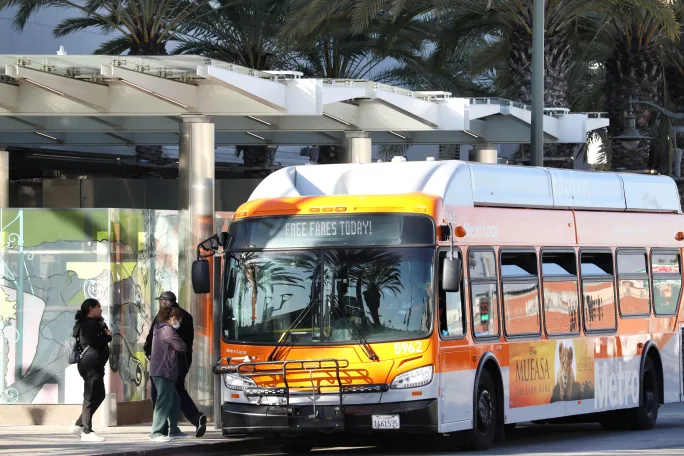
One of the most compelling aspects of the current transit landscape is the changing makeup of bus ridership.
Photo: LA Metro
Funding Challenges and Strategic Narratives
Transit agencies face significant funding challenges, with many experiencing cuts threatening their operations.
In this context, building strategies highlighting the importance of sustained funding is essential. One practical approach is to emphasize the potential increase in ridership due to rising car costs.
As tariffs drive up the price of vehicles, more people may opt for public transit, leading to higher ridership numbers. This potential increase can be used to argue for the necessity of maintaining or boosting transit agencies' funding.
Moreover, aligning these narratives with the current political climate can be beneficial.
Under the current presidency, there is a strong focus on economic issues and the impact of tariffs. By framing the need for transit funding within this context, agencies can appeal to policymakers' priorities and secure the support they need.
Highlighting the economic benefits of public transit, such as reduced traffic congestion, which is beneficial for local businesses, can further strengthen these narratives.
Impact of Tariffs on Costs
Tariffs directly impact the costs of hardware components used by transit agencies.
Many of these components are imported, and the tariffs imposed on them lead to higher prices. This increase in costs can strain transit agencies' budgets, making it difficult to maintain and upgrade their infrastructure.
In this challenging environment, agencies should explore alternative solutions that can mitigate these costs.
One effective strategy is to shift away from hardware-based solutions, which are susceptible to the rising cost of components found in the devices, and toward software-based solutions.
Unlike hardware, software is not subject to tariffs, making it a more cost-effective option. Transit agencies can reduce their reliance on expensive hardware components and streamline operations by investing in software solutions. This approach not only helps in managing costs but also enhances the efficiency and effectiveness of transit services.
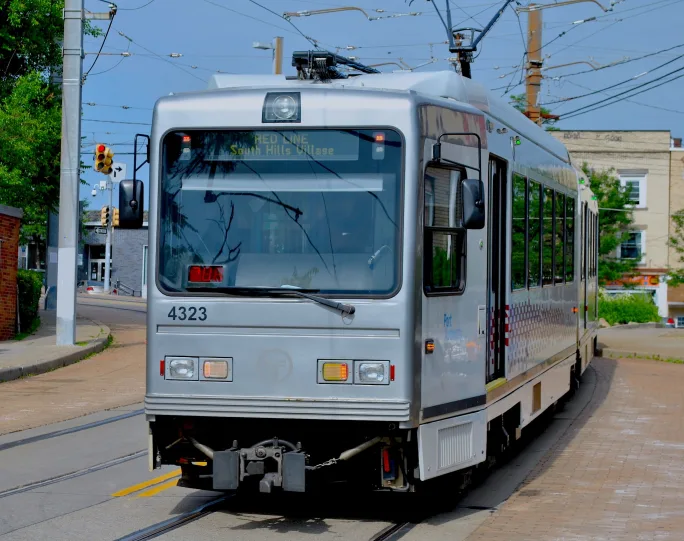
Strategic thinking, innovative solutions, and compelling narratives are key to navigating the impact of tariffs on transit.
Photo: PRT
Strategic Partnerships
With rising costs, strategic partnerships play a vital role in helping transit agencies navigate these challenges.
Aligning with the right partners, particularly software providers, can provide agencies with the necessary tools to avoid increased operational costs. These partnerships can offer innovative solutions that enhance the functionality of transit systems while keeping costs under control.
For example, software providers can offer platforms that leverage AI and cloud-based technology to improve route planning, ticketing, real-time bus tracking, and the prioritization of bus routes on busy corridors. These solutions can optimize operations, reduce delays, and improve the overall passenger experience. By leveraging these technologies, transit agencies can demonstrate their commitment to innovation and efficiency, making a strong case for continued funding.
Public Safety Considerations
The impact of tariffs extends beyond transit agencies to public safety equipment, such as fire trucks, ambulances, and law enforcement vehicles.
While many fire trucks are built in America, they rely on imported parts that are subject to tariffs. This increase in costs can strain public safety agencies' budgets, making it difficult to maintain and upgrade their equipment.
In this context, software-based solutions can also play a crucial role. By adopting software solutions, public safety agencies can also reduce their reliance on expensive hardware components and utilize taxpayer dollars more efficiently. These solutions can enhance the functionality of public safety equipment, improve response times, and ensure the safety of communities.
The impact of tariffs on transit is a complex issue that requires strategic thinking and innovative solutions.
Transit agencies can effectively navigate these challenges by understanding the changing demographics of bus ridership, crafting compelling narratives, and exploring cost-effective alternatives. Strategic partnerships with software providers can offer the tools needed to mitigate increased costs and enhance transit systems' efficiency.
Strategic thinking, innovative solutions, and compelling narratives are key to navigating the impact of tariffs on transit.
By highlighting the potential benefits of these changes and advocating for sustained funding, transit agencies can ensure they continue providing essential services to diverse and growing populations.
Quick Answers
Tariffs can increase operational costs for transit agencies by raising the price of vehicles, parts, and maintenance supplies, which in turn can affect service delivery and budgeting decisions.
*Summarized by AI
More Management

ENC Lands MATA Contract and More in Biz Briefs
In this edition of Biz Briefs, we spotlight the latest developments shaping the future of mobility.
Read More →
From Surviving to Thriving: Building Stronger Transportation Organizations
Bus Business Consultants founder Brian Dickson shares lessons on leadership, organizational health, and creating options for long-term success in a changing transportation industry.
Read More →
Everett Transit, Community Transit Outline Consolidation Agreement
The proposed agreement calls for a 50% increase in bus service in Everett, a new microtransit zone, continued paratransit service, and the transfer of Everett Transit operations to Community Transit.
Read More →

Strada360’s Steve Lassey on Turning Transit Data Into Better Decisions
From breaking down data silos to preparing for AI, Strada360 CEO Steve Lassey discusses how transit agencies can use technology to improve operations, customer information, and long-term decision-making.
Read More →
People Movement: Phil Washington Joins HNTB, Denver RTD Launches CEO Search, and More
In this edition, we also spotlight recent personnel moves at STV, the Eno Center for Transportation, and more, highlighting the people taking on new roles across the transportation industry.
Read More →
SEPTA Details Accelerate Vision for Transit System
The plan outlines investments in trolley modernization, new Metro and Regional Rail vehicles, accessible stations, and more frequent bus and rail service.
Read More →
FTA Ends Direct Oversight of MBTA Safety Actions
The federal agency closed its remaining special directive to the Massachusetts Department of Public Utilities following a safety review that began in 2022.
Read More →
Report: Transit Bus Manufacturing Supports 34,100 Jobs, $5.1B in GDP
The “Buses Mean Business” report examines the transit bus manufacturing industry’s economic footprint, supply chain, and rising demand for vehicle replacements.
Read More →
LIT Marks 10-Year Milestone at Annual Summit
Hosted by the COTA from September 10 to 13, the Summit carried the theme “Celebrating 10 Years of Excellence, Leadership, and Impact,” with every part of the program honoring the people, agencies, and partners who built LIT over its first decade.
Read More →
People Movement: Dan Dipert Coaches Adds Third-Generation Leader, Keolis Names New Valley Metro VP/GM, and More
In this edition, we also cover recent appointments and announcements at the Wabtec, SilverRide, HNTB, and more, showcasing the individuals helping to shape the future of transportation.
Read More →