METRO Magazine Logo
MenuMENU
SearchSEARCH

Virginia’s GRTC Makes Progress on Essential Transit Infrastructure Project

The agency makes steady progress on stop improvements, using equity data to guide where new shelters and amenities go next.

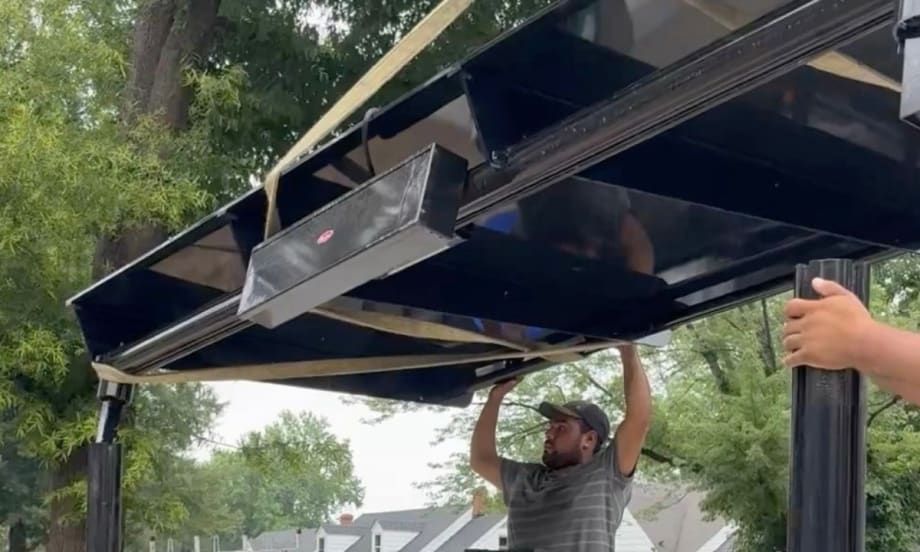
Workers constructing and upgraded a GRTC bus stop.

The Essential Transit Infrastructure project upgrades bus stops with seating, shelters, and ADA-compliant features in the Richmond region.

Photo: GRTC

2 min to read


The GRTC transit system, located in Richmond, Virginia, continues the groundwork to improve bus stops — all the way down to the concrete pads.

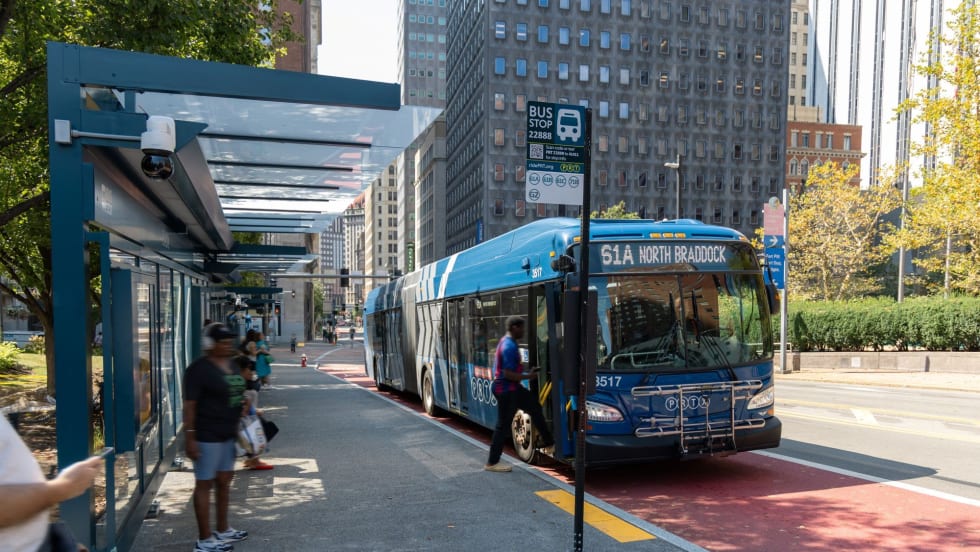
The agency’s Essential Transit Infrastructure (ETI) project focuses on installing new benches, shelters, and ADA-compliant features to better serve riders at bus stops throughout the City of Richmond, Henrico County, and Chesterfield County.

Ad Loading...

According to Katherine Long, project manager for the ETI initiative, GRTC made significant progress between April 18 and June 27, upgrading amenities at stops throughout the system. GRTC’s goal is for 50–75% of stops to have a shelter or seating by 2027. During this time, crews added:

  •  5 new benches for a total of 58.

  •  7 new shelters for a total of 31.

  • 11 new trash cans for a total of 56.

Longs explained that shelter designs vary from stop to stop depending on the space and conditions at each location. Open-air glass or fully cantilevered shelters are used in areas with limited space or physical constraints because of their smaller footprint.

Where space allows, GRTC prefers to install three-sided shelters that offer better protection from rain, wind, and other elements.

Equity Guides Bus Stop Upgrade Priorities

Equity also plays a vital role in how GRTC prioritizes stops for upgrades.

Ad Loading...

Long noted that each stop is evaluated using an equity score, which considers the number of routes serving the stop, the longest wait times between buses, frequency relative to overall network coverage, and proximity to key community destinations like schools, libraries, and medical facilities.

The surrounding socioeconomic context is also considered, prioritizing areas where minority, low-income, or Limited English Proficiency populations exceed the system-wide average.

Long clarified that many of the shelters marked for removal have reached the end of their useful life and are being updated with more functional and modern designs to meet the needs of today’s riders better.

To help the public follow along with the five-year plan, GRTC also launched a public dashboard. The dashboard includes an installation status tracker and an interactive map showing which stops have been upgraded and which are scheduled next.


More Management

A picture of C-TRAN's electric bus.
Managementby StaffFebruary 6, 2026

C-TRAN Sees Fourth Consecutive Year of Ridership Growth

The total ridership includes all fixed-route bus service, C-VAN paratransit service, The Current, Vanpool, and special event service. Almost all individual routes saw year-over-year increases from 2024 to 2025.

Read More →
A woman pushes a man in a wheelchair on a rail platform.
Managementby Elora HaynesFebruary 5, 2026

Free Rides, Civil Rights, and the Legacy of Rosa Parks in 2026

Transit agencies across the U.S. commemorated Transit Equity Day with zero fares and a renewed focus on access and equity.

Read More →
Rendering of Sound Transit's Renton Transit Center
Busby StaffFebruary 5, 2026

Seattle’s Sound Transit Breaks Ground on New Transit Center

The Renton Transit Center project will relocate and rebuild the Renton Transit Center to better serve the regional Stride S1 line, local King County Metro services, and the future RapidRide I Line.

Read More →
Ad Loading...
Photo for METROspectives episode with Ana-Maria Tomlinson
ManagementFebruary 4, 2026

Establishing Standards & Codes in Canada, with CSA’s Ana-Maria Tomlinson

In this episode of METROspectives, METRO’s Executive Editor Alex Roman sits down with Ana-Maria Tomlinson, Director of Strategic & Cross-Sector Programs at the Canadian Standards Association (CSA Group).

Read More →
David Carol, Baker Alloush, and Jesse Lazarus from METRO's People Movement February 4 edition.
Managementby Staff and News ReportsFebruary 4, 2026

New Rolling Stock Strategy Lead at New York MTA and More in People Movement

In this edition, we cover recent appointments and announcements at HDR, NCTD, STV, and more, showcasing the individuals helping to shape the future of transportation.

Read More →
Railby StaffFebruary 2, 2026

Chicago Region Transit Ridership Grows in 2025

The region’s fixed-route system finished out the year with a total of 373.5 million rides. Adding 12.3 million rides over 2024 represents an increase that is equal to the annual transit ridership of Kansas City.

Read More →
Ad Loading...
New Mobilityby StaffJanuary 30, 2026

Chicago's Pace Expands VanGo Mobility Program

The service is a flexible, reservation-based transit service designed to close the first- and last-mile gaps and connect riders to employment for just $5 per day.

Read More →
A blue and white graphic with text reading "Foothill Gold Line: Design Contract Award & 2026 Board Leadership."
Managementby StaffJanuary 30, 2026

Foothill Gold Line Board Awards Claremont Extension Design Contract to Parsons, Maintains Board Leadership for 2026

Parsons wins the $60M Claremont Extension design contract as the Foothill Gold Line board reaffirms leadership during a pivotal project phase.

Read More →
Technologyby StaffJanuary 29, 2026

Houston METRO Introduces RideMETRO Fare System

The upgraded system, which went live earlier this month, supports METRO’s METRONow vision to enhance the customer experience, improve service reliability, and strengthen long-term regional mobility.

Read More →
Ad Loading...
Managementby StaffJanuary 29, 2026

Valley Metro Sees Strong Ridership Growth in 2025

The agency ranked top five among mid-sized U.S. transit systems, defined as agencies with 15 million to 50 million annual trips.

Read More →