



How TriMet is Leading the Way with Solar-Powered Digital Signage
In recognition of its trailblazing approach, TriMet and Connectpoint were named an Innovative Solutions Award winner for Technology.

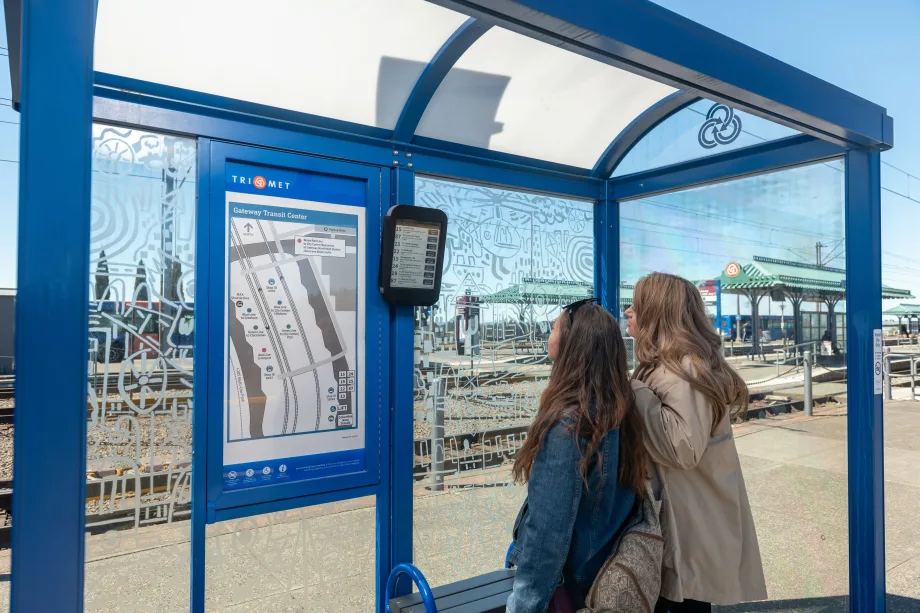
In partnership with Connectpoint, TriMet has launched one of the country’s most ambitious deployments of solar-powered ePaper digital signage, bringing real-time information to stops and stations that were once out of reach.
Photo: Connectpoint
- TriMet and Connectpoint have been recognized for their innovative use of technology in transit systems.
- The organizations won the Innovative Solutions Award in Technology.
- The award highlights their leadership in implementing solar-powered digital signage.
*Summarized by AI
For decades, one of the most significant barriers to delivering real-time information at bus stops has been a practical one: lack of access to electrical infrastructure.
In sprawling metropolitan areas like Portland, Ore., where TriMet operates a network of over 6,000 bus stops across 533 square miles, many stops weren’t designed with power connections in mind.
However, in a transit landscape where riders expect timely, reliable updates at every step of their journey, this infrastructure gap also creates an experience gap.
Rather than letting that challenge go unmet, TriMet embraced it as an opportunity to innovate.
In partnership with Connectpoint, the agency has launched one of the country’s most ambitious deployments of solar-powered ePaper digital signage, bringing real-time information to stops and stations that were once out of reach.
More than 450 solar-powered signs have been installed systemwide — 111 since the beginning of 2024 — and plans call for continued expansion over the next five years.
“This innovation is transforming how we communicate with our riders,” said Joe Tobias, sr. project manager, at TriMet. “We’re no longer limited by where we can dig or connect to the grid. With solar-powered displays, we can deliver real-time information anywhere, which means a better, more reliable experience for everyone using our system.”
A Smarter, More Sustainable Solution
Unlike traditional LED signage, ePaper displays are powered entirely by solar energy and require no wired electrical connection. They feature high-contrast, glare-free screens that are easily readable in any lighting condition and use very little energy, allowing them to remain operational even during power outages. That reliability is key for keeping riders informed during service disruptions or emergencies.
These digital signs are also environmentally friendly and cost-effective, helping TriMet reduce its carbon footprint and avoid expensive installation and maintenance associated with grid-connected displays.
“ePapers are highly scalable and replicable,” said Tobias. “It removes one of the biggest barriers to relying on existing electrical infrastructure. It’s a smart investment for any agency looking to modernize without overhauling its network.”
But it’s not just about technology, it’s about people.
TriMet has intentionally prioritized equity in its site selection strategy, focusing early installations on high-ridership areas and communities with larger populations of low and limited-income riders.
“We know when riders don’t have the information they need to ride, it can lead to less confidence and trust in our system,” said Tobias. “This solution allows us to bridge that gap.”
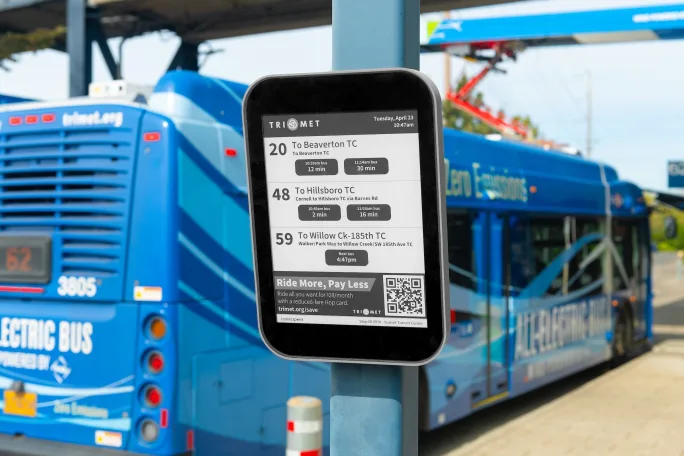
In sprawling metropolitan areas like Portland, Ore., where TriMet operates a network of over 6,000 bus stops across 533 square miles, many stops weren’t designed with power connections in mind.
Photo: Connectpoint
Real-Time Results
The results speak for themselves.
Riders now report increased confidence in using the system, knowing they can rely on accurate information at key stops. Survey feedback shows strong public approval and growing comfort among transit users, particularly those in areas that previously lacked digital signage.
The displays are also ADA-compliant, helping make the system more accessible for everyone.
“Since the introduction of ePaper displays, TriMet has observed improvements in rider confidence and engagement,” explained Tobias. “Riders are likelier to perceive transit as reliable, thanks to more visible real-time information. These factors contribute to overall system loyalty and support our long-term ridership goals.”
The displays are also connected to Connectpoint’s cloud-based Asset Management Platform, enabling TriMet to remotely update messaging in real time, even from a mobile device. This functionality enables hyper-localized alerts, such as detours or weather-related service impacts, without requiring on-site updates.
“It has drastically improved our responsiveness and operational efficiency,” said Tobias. “During disruptions or emergencies, riders can still receive accurate, up-to-the-minute information.”
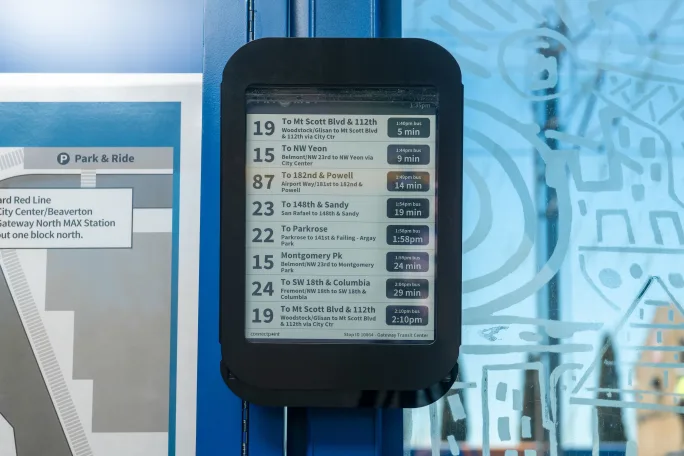
Unlike traditional LED signage, ePaper displays are powered entirely by solar energy and require no wired electrical connection.
Photo: Connectpoint
Award-Winning Innovation with a Replicable Model
In recognition of its trailblazing approach, TriMet and Connectpoint were named an Innovative Solutions Award winner for Technology.
“We’re incredibly proud to win this award,” said Tobias. “It proves that all the hard work from our project team members on digital real-time information is worth it, and displaying real-time information in front of our riders makes TriMet more accessible, convenient, and reliable.”
The success of this project has also captured the attention of other agencies looking to replicate its impact. By combining solar energy, ePaper technology, and cloud-based content management, TriMet has developed a scalable, resilient model to improve transit communication.
The system supports rider experience and helps agencies meet broader goals, from reducing emissions to expanding access and supporting mobility equity.
“This innovation is more than just a communications tool; it’s a catalyst for smarter, rider-friendly public transportation,” said Tobias. “It’s not just transforming the Portland area’s transit system, it’s setting a new standard for agencies everywhere.”
With continued expansion underway and public feedback driving future site selection, TriMet’s digital signage network represents the future of real-time transit communication — accessible, sustainable, inclusive, and built to last.
Quick Answers
TriMet and Connectpoint were named an Innovative Solutions Award winner for Technology.
*Summarized by AI
More Technology

ENC Lands MATA Contract and More in Biz Briefs
In this edition of Biz Briefs, we spotlight the latest developments shaping the future of mobility.
Read More →
Strada360’s Steve Lassey on Turning Transit Data Into Better Decisions
From breaking down data silos to preparing for AI, Strada360 CEO Steve Lassey discusses how transit agencies can use technology to improve operations, customer information, and long-term decision-making.
Read More →
Almaviva Looks to Open Architecture to Advance Transit Technology
Eric Reese discusses how interoperability, open architecture, and modular design can help transit agencies control costs, reduce vendor lock-in, and upgrade technology without starting over.
Read More →

Driving Smarter Paratransit
John Hanlon shares how AlphaRoute is leveraging AI-powered technology to help paratransit providers optimize operations, support frontline staff, and enhance the rider experience.
Read More →
From Hardware to Digital Partner: Luminator Charts Its Next Chapter
CEO Magnus Friberg discusses Luminator’s shift toward becoming a digital partner, the growing importance of software and interoperability, and how AI can help agencies improve operations and passenger experience.
Read More →
Beyond the Checklist: A Structured Approach to Transit Maintenance
Reliability-Centered Maintenance helps transit agencies move beyond routine checklists to focus limited resources on the assets and failures that have the greatest impact on safety, reliability, and service.
Read More →
NJ TRANSIT Advances Bus Technology Upgrades Across Statewide Fleet
More than 1,500 buses now feature upgraded technology designed to improve arrival predictions and provide free Wi-Fi, with deployment expected to reach nearly 2,000 buses by the end of 2026.
Read More →
Building a Flexible Path to Transit Electrification
John Hroncich discusses BAE Systems’ modular and scalable approach, lessons learned from decades of real-world operations, and how agencies can identify electrification strategies that fit their fleets.
Read More →
Biz Briefs: Alstom Lands Canadian Contract, LYT to Supply California TSP, and More
In METRO's latest installment, we take a look at recent news from Complete Coach Works, Beep, FlixBus, and more partnerships making headlines across the transportation sector.
Read More →
From Legacy Silos to Conversational Intelligence
What if transit leaders could ask any operational question and get a trusted answer in seconds? Conversational AI is transforming how agencies use their data.
Read More →