



How Transit Systems Are Embracing Smarter, Cleaner, and More Convenient Interfaces
The shift has given rise to a new frontier in passenger convenience, where Human Machine Interface technologies are not only functional tools but also critical touchpoints for satisfaction and safety.
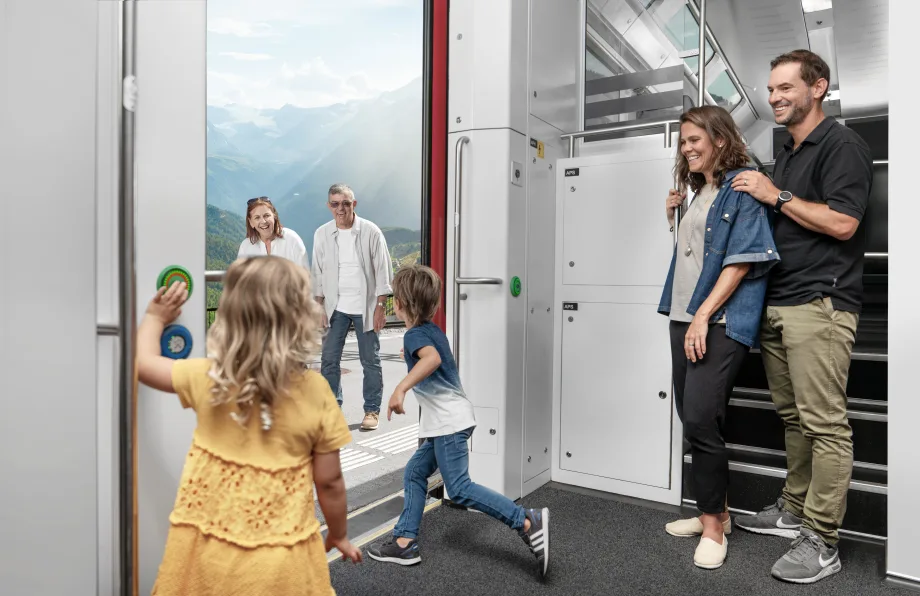
The pandemic redefined public expectations for cleanliness in shared spaces. For transit operators, this has brought renewed attention to high-touch surfaces, such as buttons, handles, and control panels.
Photo: EAO Corporation
- Transit systems are integrating Human Machine Interface technologies to enhance passenger convenience.
- These interfaces play a vital role in meeting safety and satisfaction requirements within modern transit systems.
- The evolution of transit interfaces marks a significant shift towards smarter and cleaner technologies.
*Summarized by AI
As urban populations rise and rider expectations evolve, public transportation systems are under increasing pressure to deliver more than just reliable service. They must now provide a seamless, comfortable, and hygienic experience.
The shift has given rise to a new frontier in passenger convenience, where Human Machine Interface (HMI) technologies are not only functional tools but also critical touchpoints for satisfaction and safety.
Among the most impactful innovations transforming the rider experience are enhanced onboard charging systems, intuitive seat reservation displays, and antimicrobial interface technologies. These advancements are more than technical upgrades; they reflect a broader move toward intelligent, human-centered design in transit.
Power Onboard: The Evolving Landscape of Device Charging
For today’s passengers, mobile devices are essential tools. Charging access on trains is no longer optional; it’s expected.
The shift to USB-C, now accelerated by Apple’s adoption in the iPhone 15, reflects growing demand for faster, more universal charging. USB-C supports high-power output, data transfer, and video, making it a future-ready standard.
Meanwhile, wireless charging, based on the Qi standard, offers cable-free convenience and reduced wear, making it especially ideal in public-use environments.
Passengers often experience “low battery anxiety,” a real sense of stress when devices lose power mid-journey. With phones used for texting, video calls, news, work, and entertainment, a dead battery can disrupt all of these activities.
Transit systems must now meet this need with a thoughtful mix of USB-C and wireless chargers at seats, tables, and lounges.
Designing adequate charging infrastructure also means addressing maintenance, longevity, and safety. Public-use USB ports must be durable and serviceable, while wireless options offer longer lifespans and fewer failure points.
Together, these technologies help reduce stress, support productivity, and enhance the overall travel experience.
There is also debate about the purpose of train-based charging. Should it fully recharge devices or maintain power levels? Regardless, passengers have made their preferences known. They want dependable charging options at their seats, no matter the service length.
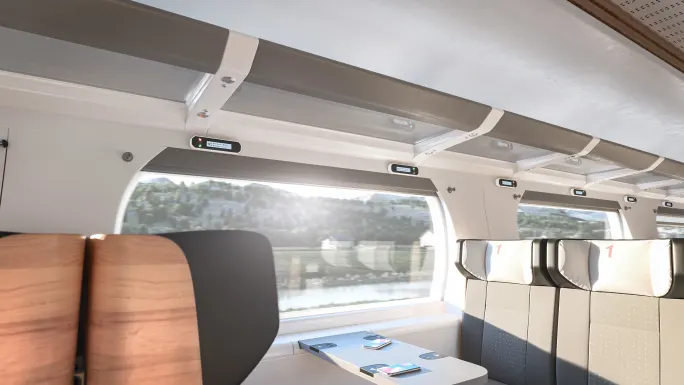
For today’s passengers, mobile devices are essential tools. Charging access on trains is no longer optional; it’s expected.
Photo: EAO Corporation
Reserving Space, Reducing Stress: Intelligent Seat Displays
Clear seat reservation visibility is becoming a must-have feature, especially as pre-booking grows more common. Advanced display systems reduce confusion, streamline the boarding process, and enhance the overall experience.
Modern displays feature bright LEDs and high-contrast graphics to indicate seat status. These systems enable passengers to quickly find available or reserved seats, enhancing the flow and reducing the need for staff intervention.
The technology is adaptable, integrating easily with passenger information systems and train interiors. Displays can be customized with different languages, seat type icons, and orientation adjustments. This level of flexibility makes the systems valuable across a diverse range of fleet configurations.
For services with high occupancy or dynamic reservations, these displays add clarity and control. They’re not just operational tools — they’re an extension of customer service.
Clean Interfaces in a Hygiene-Conscious World
The pandemic redefined public expectations for cleanliness in shared spaces. For transit operators, this has brought renewed attention to high-touch surfaces, such as buttons, handles, and control panels.
Antimicrobial coatings now offer a passive defense against bacteria on these components.
Applied to plastic surfaces such as door openers, the coatings inhibit bacterial growth by over 99% in many cases. They’re durable, easy to maintain, and compatible with common disinfectants.
These enhancements are especially valuable in high-traffic environments such as buses, metros, and train stations. They reassure passengers and reduce the burden on maintenance teams, offering a simple but effective health and safety upgrade.
Integrated Design for the Next Generation of Transit
Enhanced charging, intuitive seat displays, and hygienic surfaces share a common goal: to improve the passenger experience through thoughtful design and innovative technology. They’re not only addressing today’s needs but also helping future-proof transit systems.
Scalability is critical. Charging systems must adapt as phone technology evolves. Seat displays should support software updates and new reservation formats. Hygienic features must withstand real-world use and maintain their effectiveness over time.
Transit agencies must plan beyond immediate needs, incorporating upgrade paths, modular components, and durable systems that strike a balance between usability and longevity.
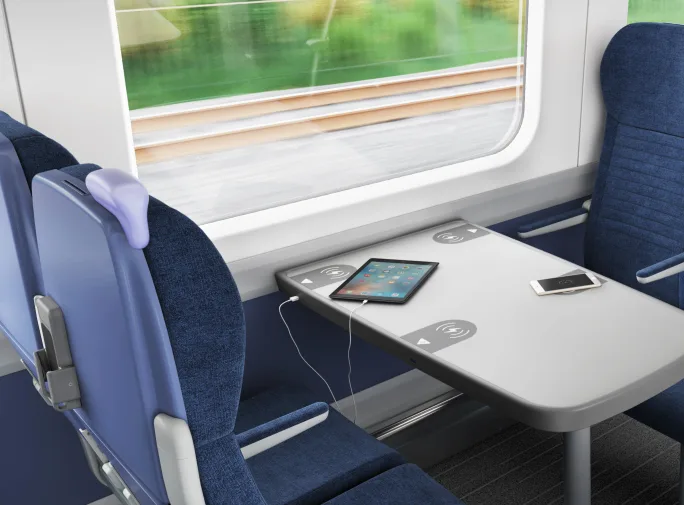
Among the most impactful innovations transforming the rider experience are enhanced onboard charging systems, intuitive seat reservation displays, and antimicrobial interface technologies.
Photo: EAO Corporation
Final Thoughts
Passenger convenience today is measured by more than comfort and punctuality. It includes connectivity, communication, and cleanliness.
HMI technologies now play a central role in delivering these expectations across modern rail and transit systems.
For transit agencies, these advancements contribute to operational efficiency and public trust.
For passengers, they provide a safer, more predictable, and more comfortable ride.
As cities expand and mobility habits evolve, transit’s success will increasingly depend on how effectively these technologies are integrated. A well-informed and well-connected passenger is more likely to return. And in a competitive transit landscape, that makes all the difference.
About the Author: Gemma Birkett is Product & Project Manager at EAO Corporation
Quick Answers
Human Machine Interface technology in transit systems refers to the interactive software and hardware used to facilitate communication between passengers and transportation systems, enhancing convenience and user experience.
*Summarized by AI
More Technology

ENC Lands MATA Contract and More in Biz Briefs
In this edition of Biz Briefs, we spotlight the latest developments shaping the future of mobility.
Read More →
Strada360’s Steve Lassey on Turning Transit Data Into Better Decisions
From breaking down data silos to preparing for AI, Strada360 CEO Steve Lassey discusses how transit agencies can use technology to improve operations, customer information, and long-term decision-making.
Read More →
Almaviva Looks to Open Architecture to Advance Transit Technology
Eric Reese discusses how interoperability, open architecture, and modular design can help transit agencies control costs, reduce vendor lock-in, and upgrade technology without starting over.
Read More →

Driving Smarter Paratransit
John Hanlon shares how AlphaRoute is leveraging AI-powered technology to help paratransit providers optimize operations, support frontline staff, and enhance the rider experience.
Read More →
From Hardware to Digital Partner: Luminator Charts Its Next Chapter
CEO Magnus Friberg discusses Luminator’s shift toward becoming a digital partner, the growing importance of software and interoperability, and how AI can help agencies improve operations and passenger experience.
Read More →
Beyond the Checklist: A Structured Approach to Transit Maintenance
Reliability-Centered Maintenance helps transit agencies move beyond routine checklists to focus limited resources on the assets and failures that have the greatest impact on safety, reliability, and service.
Read More →
NJ TRANSIT Advances Bus Technology Upgrades Across Statewide Fleet
More than 1,500 buses now feature upgraded technology designed to improve arrival predictions and provide free Wi-Fi, with deployment expected to reach nearly 2,000 buses by the end of 2026.
Read More →
Building a Flexible Path to Transit Electrification
John Hroncich discusses BAE Systems’ modular and scalable approach, lessons learned from decades of real-world operations, and how agencies can identify electrification strategies that fit their fleets.
Read More →
Biz Briefs: Alstom Lands Canadian Contract, LYT to Supply California TSP, and More
In METRO's latest installment, we take a look at recent news from Complete Coach Works, Beep, FlixBus, and more partnerships making headlines across the transportation sector.
Read More →
From Legacy Silos to Conversational Intelligence
What if transit leaders could ask any operational question and get a trusted answer in seconds? Conversational AI is transforming how agencies use their data.
Read More →