



Via, Waymo Partner to Bring Autonomous Ride-Hailing into Public Transit
Chandler, Arizona, will be the first city to benefit from this framework, integrating Waymo’s service into the city’s Chandler Flex microtransit service.

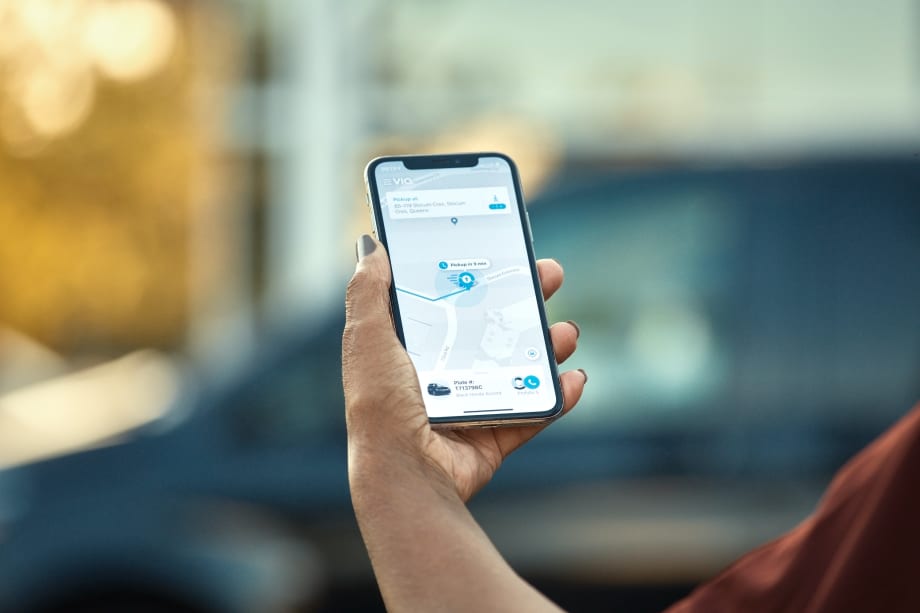
The deployment in Chandler, launching this fall, will allow users of the City’s Chandler Flex microtransit service to receive rides in Waymo vehicles.
Photo: Via
Via and Waymo announced a strategic partnership to allow government agencies to leverage Via’s software to introduce Waymo’s fully autonomous ride-hailing service directly into their public transit networks.
Chandler, Arizona, will be the first city to benefit from this framework, integrating Waymo’s service into the city’s Chandler Flex microtransit service.
“Public transit riders and the government agencies who serve them are too often the last to have access to cutting-edge technology,” said Daniel Ramot, Via’s co-founder and CEO. “We’re delighted that this partnership with Waymo paves the path for AVs to become accessible to millions of global public transit riders, enhancing mobility, lowering operating costs, and improving safety outcomes.”
The Via, Waymo Partnership
With tens of millions of miles traveled, the data shows that Waymo is making roads safer where it operates, including being involved in 88% fewer injury-causing crashes compared to the average human driver, according to the company.
Meanwhile, leveraging billions of transit-specific data points, Via’s software is purpose-built to enable governments to design and operate more innovative, more efficient, and higher-quality transit networks.
The deployment in Chandler, launching this fall, will allow users of the City’s Chandler Flex microtransit service to receive rides in Waymo vehicles.
Chandler Flex leverages Via’s proprietary algorithms, designed to efficiently and dynamically aggregate multiple riders into a single vehicle, to create a flexible mass transit system with routes that adapt to passenger demand in real-time.
Via’s routing technology will incorporate Waymo’s vehicles into its existing fleet, using Via’s Scheduling Engine to understand passengers’ unique travel requirements and ensure that the right vehicle is matched to every trip.
Via’s operating software will also enable the City to seamlessly monitor service performance and meet Federal funding, compliance, and accessibility reporting requirements. The partnership between Waymo and Via enables other cities to introduce this same model to their transit networks easily, the companies reported.
More Technology

From Hardware to Digital Partner: Luminator Charts Its Next Chapter
CEO Magnus Friberg discusses Luminator’s shift toward becoming a digital partner, the growing importance of software and interoperability, and how AI can help agencies improve operations and passenger experience.
Read More →
Beyond the Checklist: A Structured Approach to Transit Maintenance
Reliability-Centered Maintenance helps transit agencies move beyond routine checklists to focus limited resources on the assets and failures that have the greatest impact on safety, reliability, and service.
Read More →
NJ TRANSIT Advances Bus Technology Upgrades Across Statewide Fleet
More than 1,500 buses now feature upgraded technology designed to improve arrival predictions and provide free Wi-Fi, with deployment expected to reach nearly 2,000 buses by the end of 2026.
Read More →

Building a Flexible Path to Transit Electrification
John Hroncich discusses BAE Systems’ modular and scalable approach, lessons learned from decades of real-world operations, and how agencies can identify electrification strategies that fit their fleets.
Read More →
Biz Briefs: Alstom Lands Canadian Contract, LYT to Supply California TSP, and More
In METRO's latest installment, we take a look at recent news from Complete Coach Works, Beep, FlixBus, and more partnerships making headlines across the transportation sector.
Read More →
From Legacy Silos to Conversational Intelligence
What if transit leaders could ask any operational question and get a trusted answer in seconds? Conversational AI is transforming how agencies use their data.
Read More →
USDOT Announces Rail Vehicle Replacement Grants, Chattanooga AV Shuttle Funding
More than $191 million in federal funding will help three transit agencies replace aging rail vehicles and support a new autonomous shuttle service in Chattanooga.
Read More →
Bus Tech Talk: Keeping Transit Technicians Ahead of the Technology Curve
LA Metro’s Obed Mejia discusses technician training, evolving maintenance technology, fleet replacement, and strategies for getting the most out of today’s transit fleets.
Read More →
Biz Briefs: RIPTA Unveils New Frontrunners, Clevland RTA Adds New Siemens, and More
In METRO's latest installment, we take a look at recent news from Siemens, Prevost, Dodge, and more partnerships making headlines across the transportation sector.
Read More →
Why Simulating Pedestrian Movement Has Become Essential for Modern Rail Stations
Pedestrian microsimulation is helping rail planners identify bottlenecks, test station designs, and prepare complex transit hubs for growing passenger volumes.
Read More →