



STV to Oversee BRT Infrastructure Upgrades Across L.A.’s Westside
The program will deliver construction-ready designs by late 2026 to improve the bus rider experience on portions of up to three of the Westside’s busiest corridors.

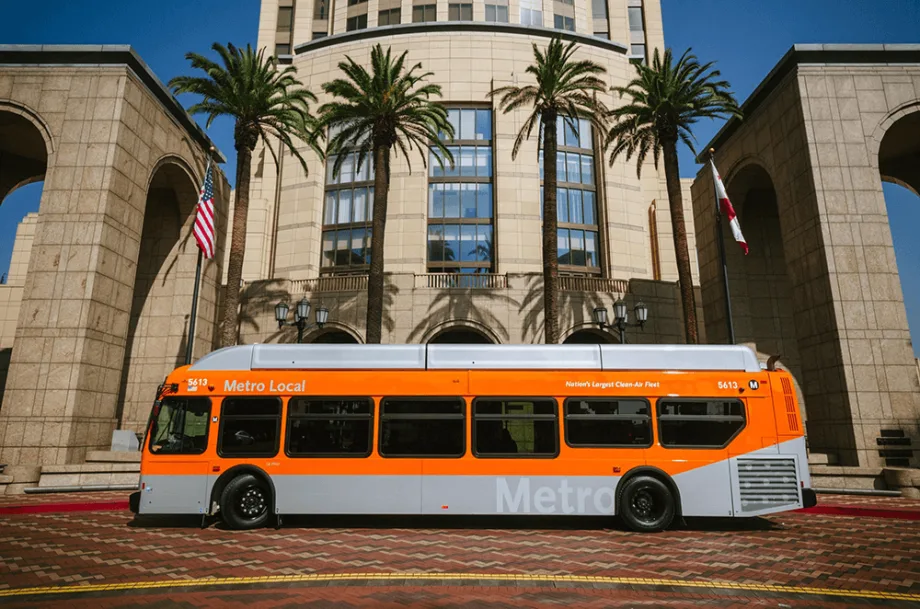
Recognized as a trusted leader in dedicated bus lane and transit signal priority design, STV has advanced BRT projects with innovative designs that strike a balance between speed, reliability, and community access.
Photo: LA Metro
Los Angeles’ Westside Cities Council of Governments (WSCCOG) formally approved STV to lead its Quick-Build Bus Infrastructure Program.
The program will deliver construction-ready designs by late 2026 to improve the bus rider experience on portions of up to three of the Westside’s busiest corridors. If approved by the COG member jurisdictions, the projects could be completed in time for the 2028 Olympic and Paralympic Games while creating lasting benefits for everyday riders.
STV’s Role in the Project
STV will deliver designs for improvements across three key corridors:
Santa Monica Boulevard west of Beverly Hills.
Sepulveda Boulevard between UCLA and LAX.
The combined north-south La Cienega Boulevard and Jefferson Boulevard corridor from West Hollywood to Westchester.
The corridors are among the busiest in the region and, if approved for construction by COG member cities, the improvements will provide long-term benefits for riders while preparing the Westside for the 2028 Olympic and Paralympic Games.
The designs may include:
Dedicated and/or peak-hour bus lanes.
Transit signal upgrades.
Curb and striping changes.
Pedestrian safety improvements.
“By combining quick-build strategies with long-term corridor planning, we’re delivering transit solutions that improve reliability, safety, and comfort for riders today and in the future,” said Gene Kim, senior VP and California area manager at STV and principal-in-charge of the program. “We’re ready to deliver fast-tracked designs that balance community needs, multimodal access, and long-term corridor transformation.”
About the WSCCOG Program
The program is structured with phased review at key design milestones. This framework ensures flexibility for WSCCOG and its member jurisdictions to evaluate progress, assess feasibility, and incorporate community input before advancing to the next stage of the design process.
Recognized as a trusted leader in dedicated bus lane and transit signal priority (TSP) design, STV has advanced BRT projects with innovative designs that strike a balance between speed, reliability, and community access. Key portfolio projects include the LA Metro G Line BRT, the City of Phoenix BRT, Richmond’s Pulse BRT, and the Flash BRT Program in Montgomery County, Maryland.
More Bus
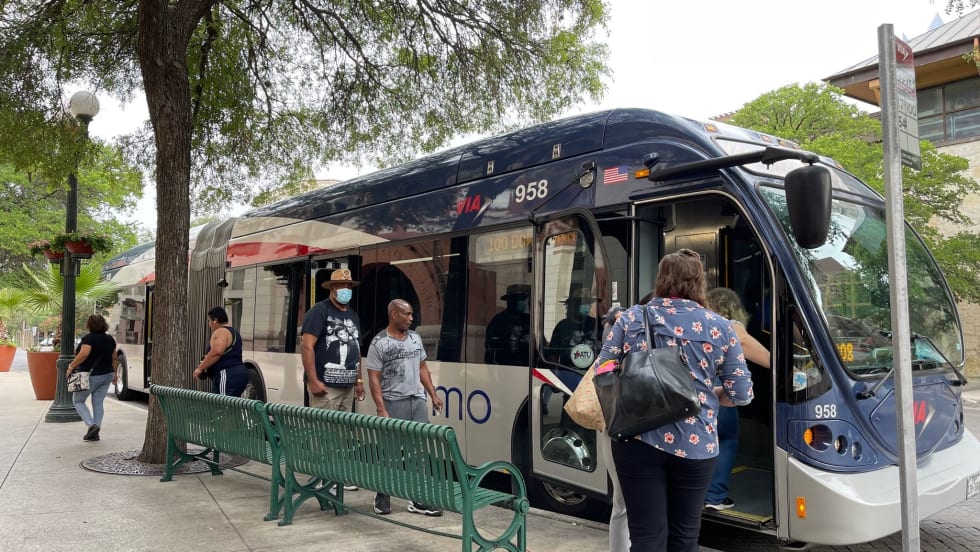
VIA Bus Ridership Grows 10.1% Through August 2026
San Antonio's VIA Metropolitan Transit reported the highest bus ridership growth among major Texas transit systems. Federal Transit Administration data ranked it second among the nation's 50 largest transit systems.
Read More →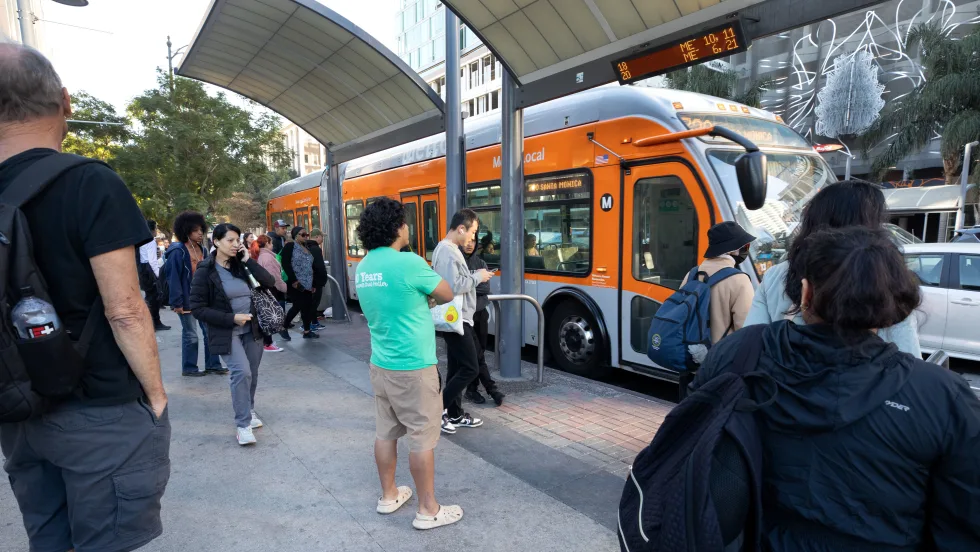
LA Metro September Ridership Climbs 3.9%, Led by Rail Growth
The agency recorded more than 27.2 million boardings, with rail ridership increasing 12.4% year over year and the D Line posting the largest gains.
Read More →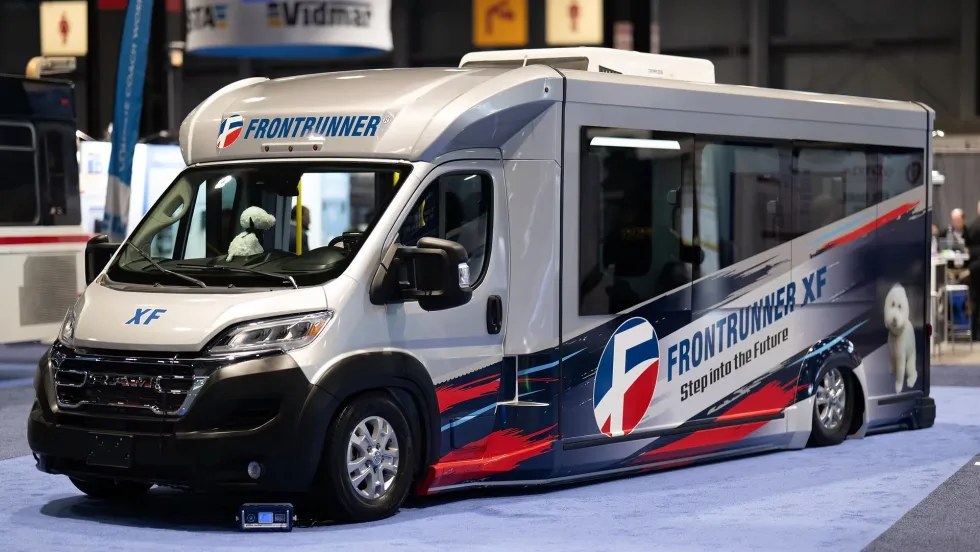
Frontrunner Bus Group Introduces XF Low-Floor Bus with Enhanced Accessibility
The new mid-sized bus features a full flat-floor design, eight-inch curbside step-in height, and zero-entry rear ramp to improve passenger access and operational flexibility.
Read More →
Scenes from APTA TRANSform & EXPO 2026
Transit leaders, manufacturers, and industry professionals gathered in Chicago to explore new technologies, share ideas, and discuss the future of public transportation.
Read More →
More Than a Summer Job: Building the Next Generation of Transit Talent
The Delaware River Port Authority and PATCO have transformed their internship program into a hands-on professional development experience that introduces students to the breadth of transportation careers — and creates a pipeline for future employees.
Read More →
LA Metro Board Awards 220 Battery-Electric Bus Contract to ENC
The contract, which is the largest base award of battery-electric buses by a U.S. transit agency, will be built in Southern California, sustaining good jobs as LA prepares to welcome the world in 2028
Read More →
Public Transit Conference Returning to GFX in 2027, Call for Papers Now Open
The Call for Papers is now open, allowing transit agency professionals and industry experts to help shape the PTC educational program by submitting session ideas for consideration.
Read More →
Indian River Transit’s Community-Focused Approach Earns National Recognition
Named APTA’s 2026 Outstanding Public Transportation System in its size category, Florida’s Indian River County transit system continues to grow ridership through fare-free service and a focus on evolving community needs.
Read More →
ENC Lands MATA Contract and More in Biz Briefs
In this edition of Biz Briefs, we spotlight the latest developments shaping the future of mobility.
Read More →
From Surviving to Thriving: Building Stronger Transportation Organizations
Bus Business Consultants founder Brian Dickson shares lessons on leadership, organizational health, and creating options for long-term success in a changing transportation industry.
Read More →