



NJ TRANSIT Launches New Fare Payment, Collection Systems to Advance Modernization
The agency demonstrated these initiatives as the latest in its ongoing efforts to transform the customer experience through innovation and technology.

NJ TRANSIT showcased its fare collection modernization efforts during an event at Secaucus Junction Station, featuring staffed exhibits that demonstrated many of the new fare technology features.
Photo: NJ TRANSIT
High-tech fare gates, reloadable FARE-PAY cards, more mobile payment options, and modern ticket vending machines were just some of the features of NJ TRANSIT’s fare modernization efforts on display today at Secaucus Junction.
The agency demonstrated these initiatives as the latest in its ongoing efforts to transform the customer experience through innovation and technology.
“Our fare modernization program is focused on making every step of the customer journey more seamless, efficient, and secure,” said NJ TRANSIT President/CEO Kris Kolluri. “From advanced 3D fare gates to expanded contactless payments, we’re improving the way customers move through the system with greater ease and reliability while protecting revenue.”
NJ TRANSIT’s Steps to Simplify Fare Collection
NJ TRANSIT showcased its fare collection modernization efforts during an event at Secaucus Junction Station, featuring staffed exhibits that demonstrated many of the new fare technology features. These include:
New, high-tech fare gates with advanced 3D sensors and imaging technology will be installed at Secaucus Junction and Newark Liberty Airport. The nearly eight-foot-tall gates use advanced sensors and 3-D technology to enhance security and revenue protection.
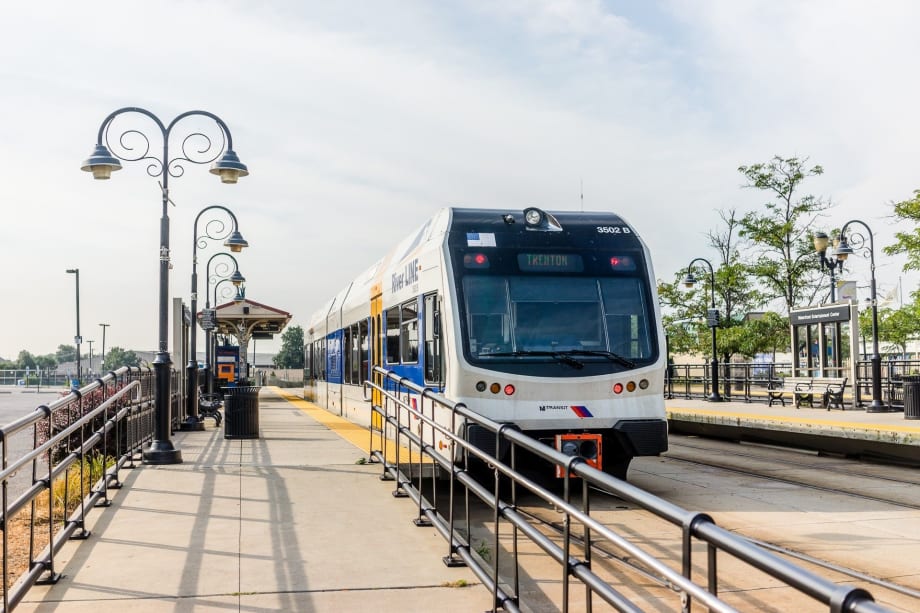
FARE-PAY cards: In September, NJ TRANSIT expanded its “FARE-PAY” card to customers traveling all NJ TRANSIT buses statewide as well as the Newark Light Rail, the Hudson-Bergen Light Rail, and the River LINE systems. The reusable cards allow customers to purchase and store monthly passes, 10-trip bus tickets, or cash value on them, enjoying the convenience of tap-and-go.
The new, reusable FARE-PAY fare cards make it easier for customers to travel the system by allowing them to register their card to protect their stored value from loss, manage their accounts online, view fare card activity and current value, auto-reload online, at ticket windows, TVMs, and at select retail locations. A credit/debit card is not required.
New Bus Fare Box/Registers will be more efficient and improve the reliability of onboard fare collection. The new fare boxes will also accept additional bill denominations, providing customers with more flexibility in their payments.
Train crews are using new mobile validation devices for scanning rail tickets. These devices are currently being piloted and will be deployed system-wide in the coming months, providing enhanced capabilities such as acceptance of the FARE-PAY card, which was not possible with the first generation of mobile validation devices.
Ticket Vending Machines: Ticket Vending Machines (TVMs) have been upgraded throughout the state to accept tap-and-go payments from credit/debit cards as well as sales of the new FARE-PAY cards. The machines also have modern capabilities to accept mobile payment systems such as Apple Pay and Google Wallet. This latest generation of TVMs also features additional display boards for customer information.
Web Ticketing Platform: This platform enables customers to purchase rail tickets directly from their web browser and display or print the QR code without needing to download a mobile app. This provides electronic ticketing options to infrequent users of the system who may not have the mobile app installed.
More Technology

From Hardware to Digital Partner: Luminator Charts Its Next Chapter
CEO Magnus Friberg discusses Luminator’s shift toward becoming a digital partner, the growing importance of software and interoperability, and how AI can help agencies improve operations and passenger experience.
Read More →
Beyond the Checklist: A Structured Approach to Transit Maintenance
Reliability-Centered Maintenance helps transit agencies move beyond routine checklists to focus limited resources on the assets and failures that have the greatest impact on safety, reliability, and service.
Read More →
NJ TRANSIT Advances Bus Technology Upgrades Across Statewide Fleet
More than 1,500 buses now feature upgraded technology designed to improve arrival predictions and provide free Wi-Fi, with deployment expected to reach nearly 2,000 buses by the end of 2026.
Read More →

Building a Flexible Path to Transit Electrification
John Hroncich discusses BAE Systems’ modular and scalable approach, lessons learned from decades of real-world operations, and how agencies can identify electrification strategies that fit their fleets.
Read More →
Biz Briefs: Alstom Lands Canadian Contract, LYT to Supply California TSP, and More
In METRO's latest installment, we take a look at recent news from Complete Coach Works, Beep, FlixBus, and more partnerships making headlines across the transportation sector.
Read More →
From Legacy Silos to Conversational Intelligence
What if transit leaders could ask any operational question and get a trusted answer in seconds? Conversational AI is transforming how agencies use their data.
Read More →
USDOT Announces Rail Vehicle Replacement Grants, Chattanooga AV Shuttle Funding
More than $191 million in federal funding will help three transit agencies replace aging rail vehicles and support a new autonomous shuttle service in Chattanooga.
Read More →
Bus Tech Talk: Keeping Transit Technicians Ahead of the Technology Curve
LA Metro’s Obed Mejia discusses technician training, evolving maintenance technology, fleet replacement, and strategies for getting the most out of today’s transit fleets.
Read More →
Biz Briefs: RIPTA Unveils New Frontrunners, Clevland RTA Adds New Siemens, and More
In METRO's latest installment, we take a look at recent news from Siemens, Prevost, Dodge, and more partnerships making headlines across the transportation sector.
Read More →
Why Simulating Pedestrian Movement Has Become Essential for Modern Rail Stations
Pedestrian microsimulation is helping rail planners identify bottlenecks, test station designs, and prepare complex transit hubs for growing passenger volumes.
Read More →