Boston's MBTA Marks Major Milestone in Daniels-Finegold Settlement
After 19 years of steady progress under the 2006 Settlement Agreement, the MBTA has met a substantial portion of its obligations, allowing the court-appointed independent monitor, Judge Patrick King, to conclude his oversight.
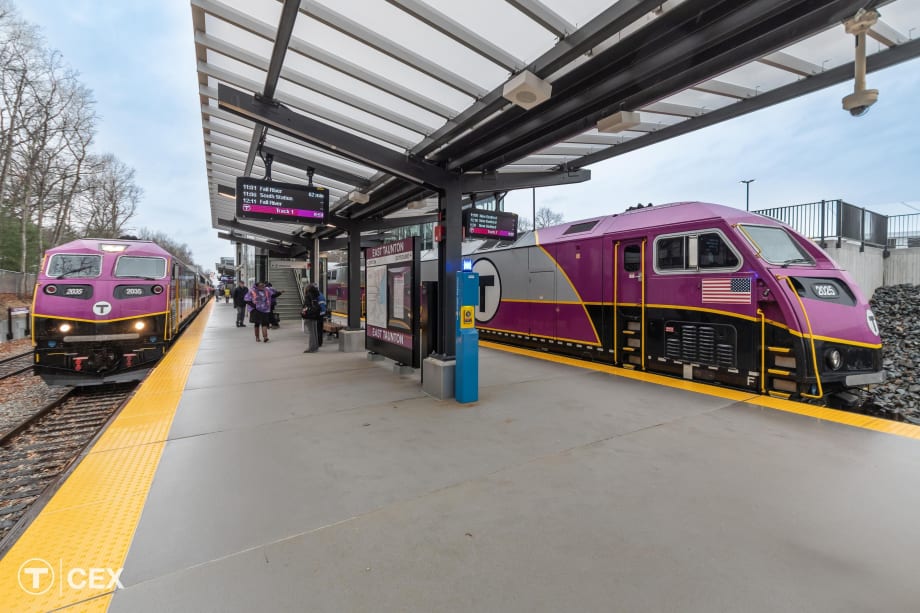
MBTA station accessibility has grown from less than 60% in 2005 to 83% today, with 93% expected in the next five years.
Photo: MBTA
3 min to read
Since the Settlement Agreement was reached in 2006, the MBTA has made sweeping improvements across virtually every aspect of its fixed-route system to ensure riders with disabilities have access to safe and reliable service.
Photo: MBTA
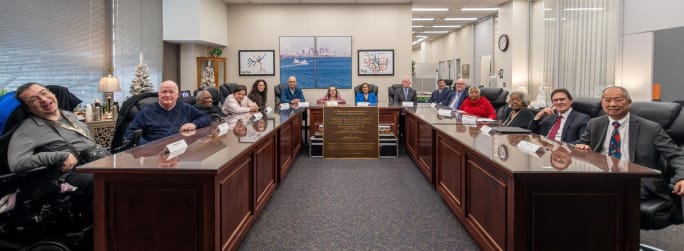
Boston’s Massachusetts Bay Transportation Authority (MBTA), disability advocates, and plaintiffs from a landmark accessibility lawsuit gathered to mark a significant milestone in the effort to make the system fully accessible.
After 19 years of steady progress under the 2006 Joanne Daniels-Finegold et al. v. MBTA Settlement Agreement, the MBTA has met a substantial portion of its obligations, allowing the court-appointed independent monitor, Judge Patrick King, to conclude his oversight.
Ad Loading...
To commemorate this achievement and reinforce its commitment to system-wide accessibility, the MBTA worked with the original plaintiffs, the Boston Center for Independent Living (BCIL), and Greater Boston Legal Services (GBLS) to establish a new Next Generation Accessibility Agreement with BCIL.
The agreement outlines additional accessibility commitments and shifts oversight from the court-appointed monitor to the Riders’ Transportation Access Group (RTAG), the agency’s citizen-led advisory committee. RTAG will partner with the MBTA to continue advancing accessibility efforts, and membership remains open to the public.
"Since my very initial days at the MBTA, it was evident that the plaintiffs in the Daniels-Finegold landmark lawsuit were now partners. Their long-term commitment to working with us to improve and advance accessibility was not the case, but rather ensuring that all who wanted and needed to use mass transportation had the same access as everyone else,” said Interim Secretary and MBTA GM Phillip Eng. “That is why this settlement agreement is not only a major milestone but also so meaningful for the MBTA leadership and me as we share that goal. While nationally, the MBTA is one of the most accessible legacy systems in the United States today, we also know we have much more to do.”
Improving Accessibility
Since the Settlement Agreement was reached in 2006, the MBTA has made sweeping improvements across virtually every aspect of its fixed-route system to ensure riders with disabilities have access to safe and reliable service.
Upgrades have included:
Ad Loading...
Creating and growing the Department of System-Wide Accessibility — a clearinghouse of accessibility expertise.
Prioritizing elevator maintenance — in the early 2000s, many of the MBTA’s most frequently used elevators were out of service most of the time. Today, elevators are operational on average 99.4% of the time. Additionally, a new elevator standard was created, resulting in larger, more transparent elevators.
Transitioning to an entirely low-floor, ramp-equipped bus fleet.
Thoroughly revising and refreshing training for frontline employees on how to provide best-in-class accessible service.
Restructuring the process for handling accessibility-related complaints to ensure a fully closed-loop system.
Expanding outreach and engagement to older adults and people with disabilities through the MBTA’s Mobility Center.
Developing and administering an Internal Accessibility Monitoring Program to systematically evaluate the experience of riders with disabilities.
Significantly expanding station accessibility — in 2005, less than 60% of stations were accessible; today, 83% are; 93% of stations are projected to be accessible in the next five years.
Advancing dual-mode public information systems so that important information is broadcast audibly as well as visually.
Rolling out new wayfinding signage standards to make navigating the system easier.
MBTA officials added that although not part of the Daniels-Finegold settlement, the RIDE paratransit service has seen several improvements in recent years — including improved on-time performance and a new rider-facing app
Numerous accessibility improvements are also planned for the coming years, MBTA officials said, including:
Major accessibility upgrades at over 30 stations.
Advancing the automatic enforcement of blocked bus stops using bus camera technology.
Issuing a first-of-its-kind accessibility training for Transit Police officers.
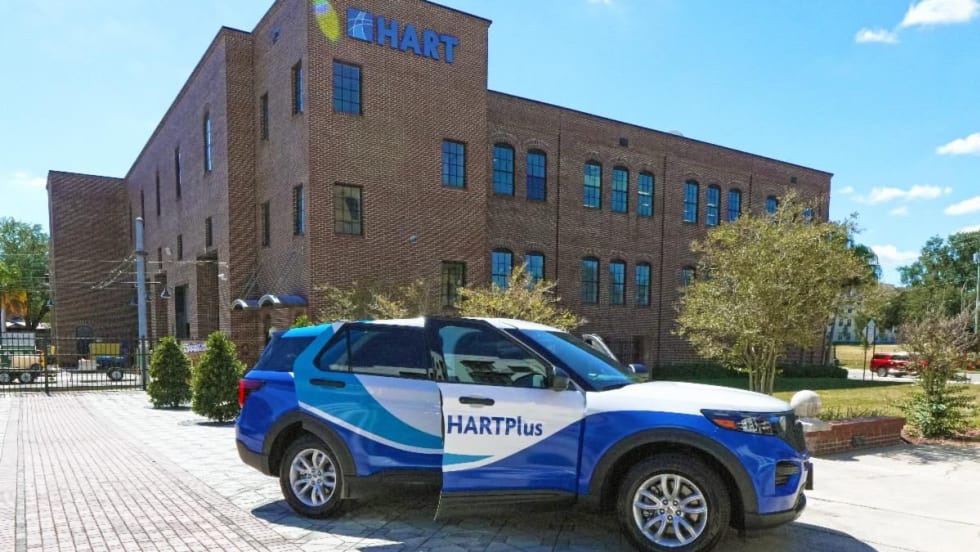
The new HARTPlus SUVs — 2025 Ford Interceptor Utility models — represent a significant step toward modernizing mobility and enhancing service for paratransit riders throughout Hillsborough County.
As the transportation landscape continues to evolve in the wake of the pandemic, few manufacturers have faced, or embraced, change as decisively as Forest River Bus.
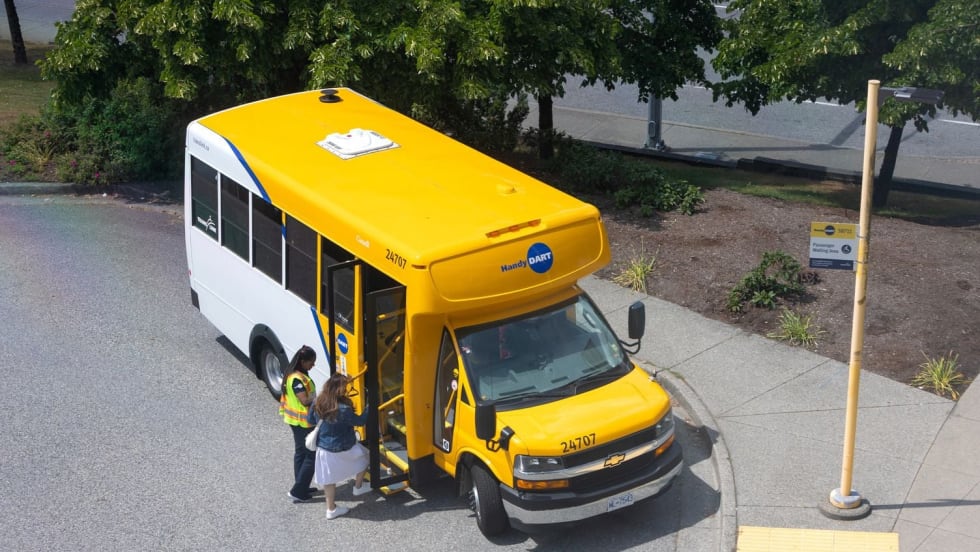
Starting next week, HandyDART will also extend its hours to 2 a.m., improving service availability for customers and aligning more closely with SkyTrain operating hours.