



2005 motorcoach census shows growth, value to larger transportation picture
First census since 1999 shows promising overall industry growth.

Collecting information from carriers throughout the U.S. and Canada, including members of the American Bus Association (ABA), the International Motorcoach Group, Motor Coach Canada, Trailways and the United Motorcoach Association, the “Motorcoach Census 2005” showed promising overall industry growth, with more than 3,500 motorcoach carriers employing 163,000 people and operating more than 38,000 coaches in 2004.
The census, which was compiled by Nathan Associates for the ABA, is the first in the industry since 1999 and reflects end-of-year 2004 data. The ABA plans to release the census every five years with updates set to come in the fall of each alternating year.
“The value to the motorcoach operator is first and foremost understanding that he is part of a very large industry,” said Peter J. Pantuso, president and CEO of the ABA, about the importance of the survey. “If you look at the numbers of people we’re talking about who travel by motorcoach, — over 600 million people in 2005 — we’re moving a lot of people on an annual basis.”
Pantuso added that the other important aspect of the census is to be able to provide this information to community leaders to show the fuel efficiency and overall reach of motorcoaches, as well as the important role carriers play in connecting people between rural and urban areas.
According to the survey, more than half of the 2.4 billion miles motorcoach operators traveled in 2004 provided charter services to groups of people, with an additional one-quarter moving people between cities or between cities and rural areas. Of the remaining miles traveled, 12% were spent transporting commuters between home and work, 4% shuttled people to and from airports and other services and one in 10 miles were spent moving tour groups and sightseers.
The survey also found that nearly half of the motorcoach carriers who responded have experienced competition from transit agencies, and most carriers preferred purchasing their motorcoaches (64%) rather than leasing them (11%), while 25% prefer both.
In addition, 70% of carriers purchase their fuel at retail, 19% purchase fuel only at wholesale and 11% purchase fuel both ways.
The average annual revenue per motorcoach in 2004 was $159,000. Larger carriers reported higher sales per coach than smaller carriers, and charter service carriers reported lower sales per coach than other carriers.
The first of planned updates, “Motorcoach Census Update 2006,” was released along with the 2005 census and showed that, overall, the number of passenger trips rose 6% from 595 million in 2004 to 631 million in 2005, with motorcoach mileage rising 2.3%, from 2.3 billion miles in 2004 to 2.44 billion miles in 2005. Meanwhile, the number of motorcoaches operated increased 1.5% in 2005, to 39,068 compared with 38,000 in 2004.
“Through release of this census, we are asking policymakers and the nation’s consumers to take note,” said Pantuso. “Our industry connects families and communities and serves the nation as a good investment economically, and by providing environmental and congestion-mitigating benefits by reducing car use. That’s something to remember when both consumer choice and transportation policy decisions are made.”
More Management

ENC Lands MATA Contract and More in Biz Briefs
In this edition of Biz Briefs, we spotlight the latest developments shaping the future of mobility.
Read More →
From Surviving to Thriving: Building Stronger Transportation Organizations
Bus Business Consultants founder Brian Dickson shares lessons on leadership, organizational health, and creating options for long-term success in a changing transportation industry.
Read More →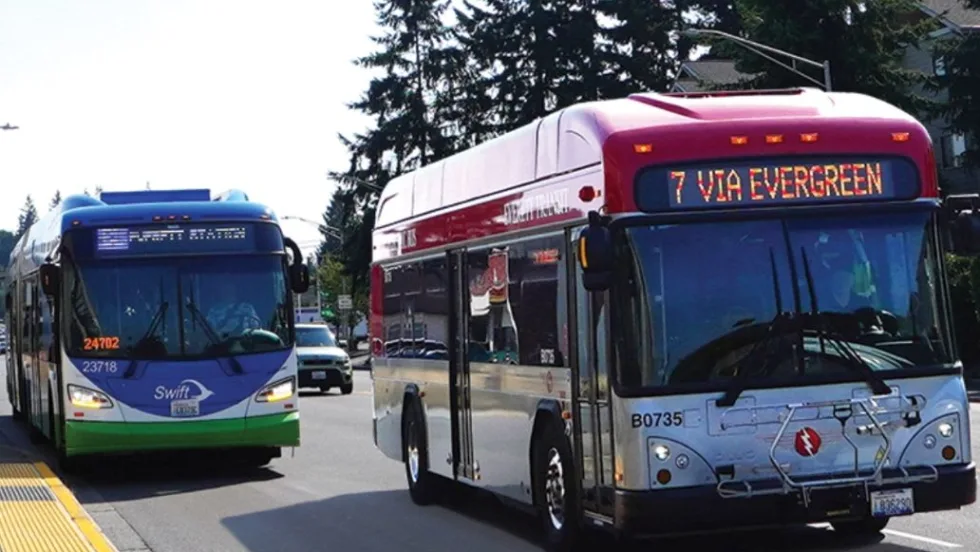
Everett Transit, Community Transit Outline Consolidation Agreement
The proposed agreement calls for a 50% increase in bus service in Everett, a new microtransit zone, continued paratransit service, and the transfer of Everett Transit operations to Community Transit.
Read More →

Strada360’s Steve Lassey on Turning Transit Data Into Better Decisions
From breaking down data silos to preparing for AI, Strada360 CEO Steve Lassey discusses how transit agencies can use technology to improve operations, customer information, and long-term decision-making.
Read More →
People Movement: Phil Washington Joins HNTB, Denver RTD Launches CEO Search, and More
In this edition, we also spotlight recent personnel moves at STV, the Eno Center for Transportation, and more, highlighting the people taking on new roles across the transportation industry.
Read More →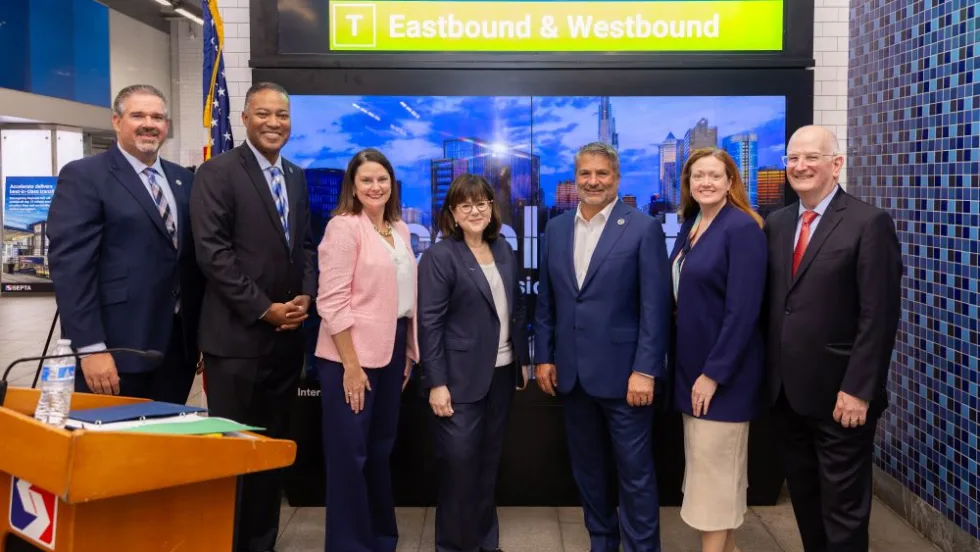
SEPTA Details Accelerate Vision for Transit System
The plan outlines investments in trolley modernization, new Metro and Regional Rail vehicles, accessible stations, and more frequent bus and rail service.
Read More →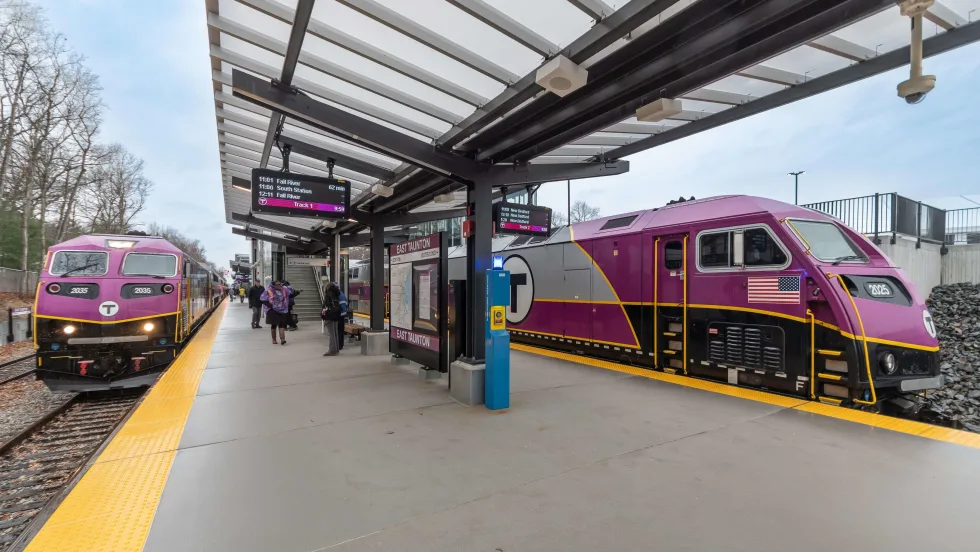
FTA Ends Direct Oversight of MBTA Safety Actions
The federal agency closed its remaining special directive to the Massachusetts Department of Public Utilities following a safety review that began in 2022.
Read More →
Report: Transit Bus Manufacturing Supports 34,100 Jobs, $5.1B in GDP
The “Buses Mean Business” report examines the transit bus manufacturing industry’s economic footprint, supply chain, and rising demand for vehicle replacements.
Read More →
LIT Marks 10-Year Milestone at Annual Summit
Hosted by the COTA from September 10 to 13, the Summit carried the theme “Celebrating 10 Years of Excellence, Leadership, and Impact,” with every part of the program honoring the people, agencies, and partners who built LIT over its first decade.
Read More →
People Movement: Dan Dipert Coaches Adds Third-Generation Leader, Keolis Names New Valley Metro VP/GM, and More
In this edition, we also cover recent appointments and announcements at the Wabtec, SilverRide, HNTB, and more, showcasing the individuals helping to shape the future of transportation.
Read More →