



San Diego Transit Agencies Propose Fare Hike to Close Budget Gaps
The agencies, San Diego MTS and NCTD - San Diego Railroad, which share a fare system (PRONTO), proposed the changes to help address their respective financial sustainability strategies.

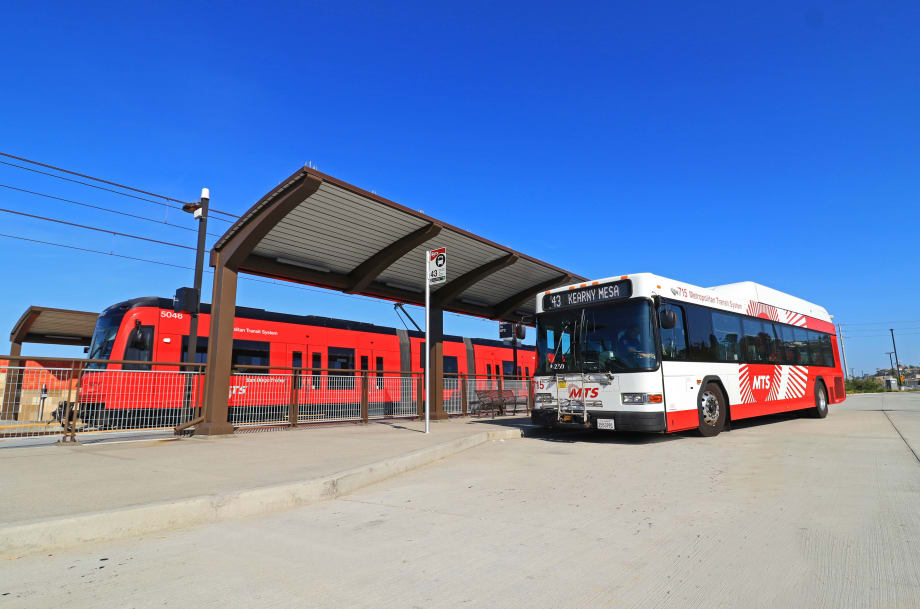
If approved by SANDAG, fare increases are expected to take effect this fall in a phased approach over two years, lessening the initial impact on transit riders, officials said, with the second increase to be implemented in the fall of 2027.
San Diego MTS
- San Diego MTS and NCTD, which operate a shared fare system known as PRONTO, have proposed a fare hike.
- The proposed fare hike is aimed at addressing budget gaps faced by the transit agencies.
- These changes are part of the agencies' financial sustainability strategies.
*Summarized by AI
The boards of both the San Diego Metropolitan Transit System (MTS) and the North County Transit – San Diego Railroad (NCTD) recommended the first significant fare increase since 2009.
The agencies, which share a fare system (PRONTO), proposed the changes to help address their respective financial sustainability strategies.
The final proposals from MTS and NCTD are expected to be brought to a vote by the San Diego Association of Governments’ (SANDAG) Transportation Committee, with final fare ordinance adoption anticipated in May and June.
If approved by SANDAG, fare increases are expected to take effect this fall in a phased approach over two years, lessening the initial impact on transit riders, officials said, with the second increase to be implemented in the fall of 2027.
The fare increases are part of a wider set of strategies to push past a fiscal cliff and identify sustainable, long-term funding solutions that preserve vital transit service for San Diego.
What Does the Fare Increase Look Like?
In the recommendation, MTS and NCTD monthly passes would increase from $72 to $85 for adults and from $23 to $28 for seniors, disabled, and Medicare recipients (SDM) riders later this year.
During phase two in the fall of 2027, monthly passes would increase to $95 for adults and $30 for SDM. NCTD COASTER passes will change from a zone model to a flat-fare model this fall. COASTER one-way fares would reflect the current Zone 3 price of $6.50 for adults and $3.25 for SDM riders, while monthly COASTER passes would increase to $185 for adults and $60 for SDM riders.
Additional changes to a variety of other MTS and NCTD services would also apply.
Officials said several factors have contributed to the current financial challenges facing MTS and NCTD, many of which mirror trends impacting transit agencies nationwide. These factors include rising workforce costs, higher operating expenses, flat sales tax revenues, and limited local funding.
Quick Answers
San Diego MTS and NCTD are proposing a fare hike to help address their financial sustainability strategies and close budget gaps.
*Summarized by AI
More Management
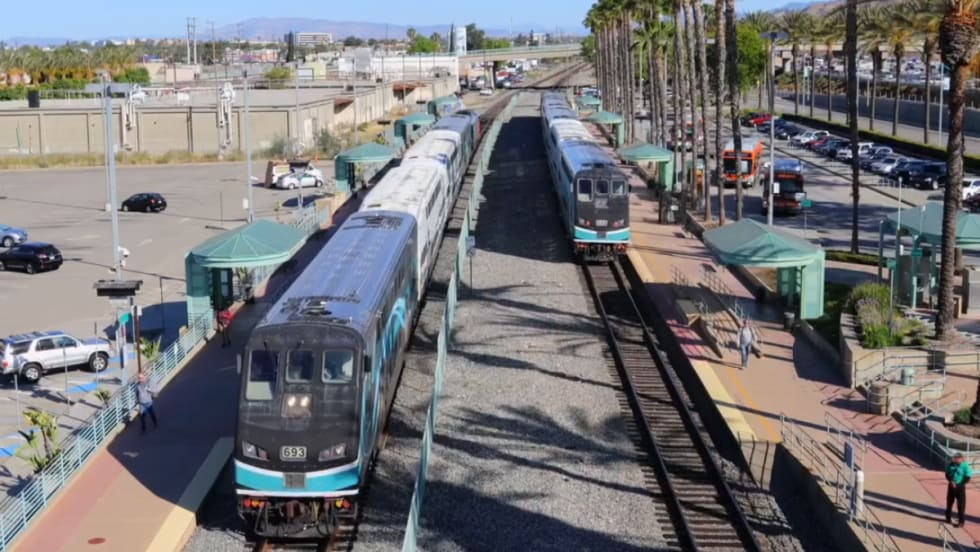
Southern California’s Metrolink Approves $508.8M Budget, Avoids Service Cuts
A $20 million state allocation allows the regional rail agency to maintain existing weekday and weekend service through fiscal year 2028, although longer-term funding challenges remain.
Read More →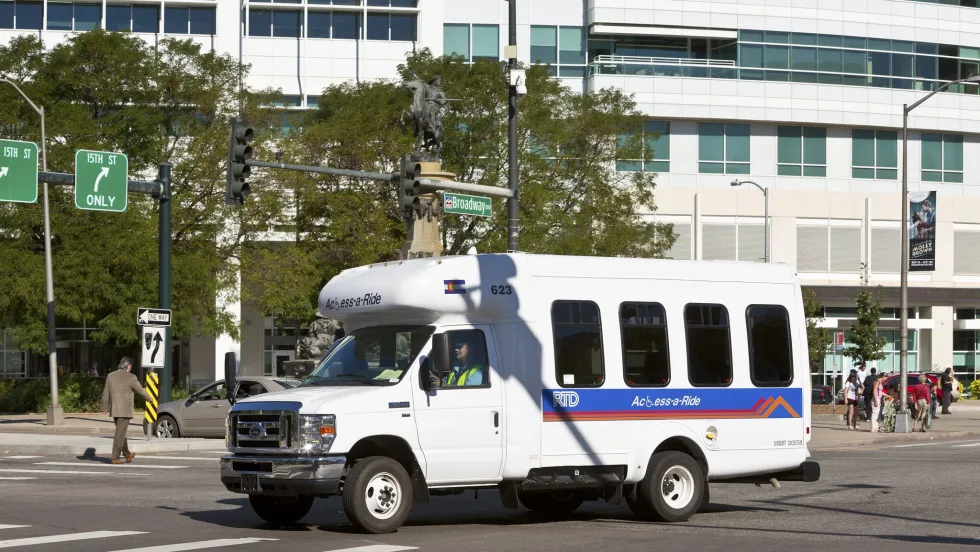
Denver RTD Committee to Review Paratransit Services, Improve Accessibility
The committee will oversee an independent study of paratransit operations, gather customer feedback, and recommend improvements to service reliability, accessibility, and accountability.
Read More →
Castro to Lead RTC of Southern Nevada and More in People Movement
In this edition, we also cover recent appointments and announcements at the STV, MCI, and more, showcasing the individuals helping to shape the future of transportation.
Read More →
STraffic Expands North American Presence with Fare Collection Technology
John Moon, Associate Director, Product Strategy at STraffic, discusses the company's growth in North America, its efforts to reduce fare evasion, and more.
Read More →
Study: Denver RTD Generates $2.1 Billion in Annual Economic Activity
An economic impact study finds the agency supports approximately 17,500 jobs, delivers $1.6 billion in annual community and mobility benefits, and generates $2.42 in economic value for every dollar invested.
Read More →
Mark Aesch Nominated to Lead Federal Transit Administration
The former Rochester transit chief and TransPro founder, who has also contributed to METRO Magazine, brings decades of industry experience and a focus on performance, accountability, and financial sustainability to the nomination.
Read More →
Best and Worst U.S. Cities for Public Transportation in 2026
A new analysis of 50 major U.S. urban areas ranks public transit systems based on accessibility, affordability, usefulness, and safety, highlighting where transit performs best and where challenges remain.
Read More →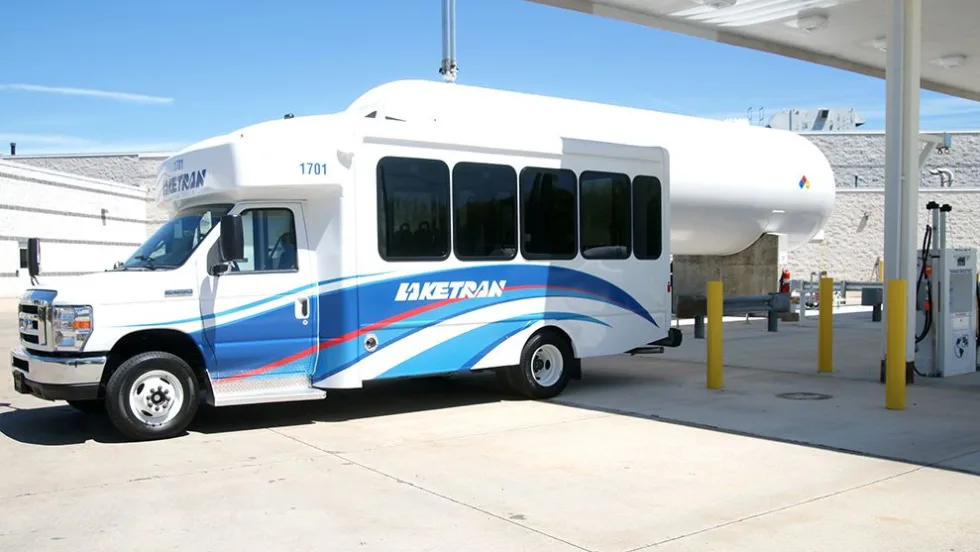
Laketran Cuts Fuel Costs, Boosts Efficiency with Propane-Powered Fleet
The Ohio transit agency is using propane-powered vehicles and on-site fueling infrastructure to cut fuel and maintenance costs while meeting growing demand for paratransit services.
Read More →
Canada’s Public Transit Supports $65.6 Billion in Annual GDP
New research from the Canadian Chamber of Commerce examines transit's economic contributions, including job creation and the financial implications of transportation investment.
Read More →
Pierce Transit Moves to Expand Fleet Following Proposition 1 Approval
The agency authorized the purchase or refurbishment of up to 60 buses to support a 47% service expansion, as voters nationwide approved billions in new transit funding.
Read More →