



5 Ways to Keep Your Shop Accident Free
Preventing accidents means involving supervisors, adjusting attitudes and getting feedback from shop personnel.
“Safety doesn’t cost — it pays,” reads a slogan coined years ago to get companies and workers on the safety bandwagon. It urges businesses to see safety activity as an investment — workers are asked to invest time and caution to protect themselves. Even so, on-the-job accidents and injuries continue to occur, and in today’s world there are no bargains in injury insurance rates, medical costs or finding replacement employees. That safety bandwagon from so many years ago is again beginning to look very attractive. A number of years ago, I worked with a company that sustained a serious employee injury loss. The tragic events that occurred at that company created in them a powerful desire to fix their safety problems. Their story offers us insights into what can go wrong, and what it takes to fix those problems. There is much to learn, not the least of which is that there are no quick and easy fixes in safety. This is their story. Everyone agreed that Earl was an amazing mechanic. He had skillful hands and a dedication to fixing even the toughest problems he found in the aging fleet of buses his company operated. But Earl was an old school kind of guy, and that meant he was always balancing new advice against familiar ways. Earl doesn’t work as a mechanic anymore. Hard at work, making an adjustment under a bus, Earl lost his life. The bus suspension failed, and he was unprotected by any safety procedures or equipment. The fallout was immediate, well beyond the human toll that you might expect. Government safety investigators descended upon the company. Accusing fingers were pointed, inside the company and out. The press set up camp outside the gates, interviewing anyone and everyone. And the costs: The first days saw expenses, but the real numbers didn’t appear for months, when accusation became litigation and insurance renewal possibilities became scarce. An analysis of company injury data showed that the company, like most others, had three big problems: an alarming rate of first aid injuries caused by slips, trips and falls; the occasional, but expensive, eye injury; and, most frequent of all, the back injury, often caused by improper lifting. As for prevention, employees had heard it all already: watch your step, clean up your work area, use hand rails, wear goggles, wear safety glasses and bend your knees, not your back. A few shop visits made it very clear that most employees ignored at least one of those rules, and some ignored all of them. Company safety meetings and training sessions had plowed the safety field repeatedly. The technical quality of the information was good, but the presentations themselves were at best lackadaisical. No one really believed that bad things could happen to them. The supervisor presenting the meeting didn’t believe it either. Every meeting was pure function and no fire. Preventing accidents You may well ask, “Can this sort of thing happen to my company?” The question you need to ask is, “What have we done to be sure that it won’t?” The first reality of managing risk is to understand that unless you act, trouble is not far behind. Accidents and injuries are not random events. Nor are they a matter of bad luck. If enough people do the wrong thing enough times, disaster will strike. A safety plan is needed to lower injury rates, manage risk and reduce costs. At a minimum, your plan must reduce or eliminate risks, teach employees necessary job and safety skills, encourage safety minded attitudes and aggressively discourage risky behaviors. As in many companies, Earl’s made a major investment in its facility. And, like many others, it neglected investing in its human assets. The employees who were supposed to make it all run smoothly had largely been left to their own devices. It was reasoned that these were experienced people with good qualifications: the company shouldn’t have to do more than offer them a place to put their tools and do their work. This errant philosophy had to be addressed. The following tips are based on solutions at Earl’s company as well as various other maintenance shops. 1. Supervisors are critical personnel in risk management. Without direction, knowledge and proper priorities, supervisors may routinely ignore safety. They may never properly discuss safety procedures and look the other way in the presence of violations. Some may feel that safety inspections are pure fluff to keep the insurance company happy. Scheduling pressures often force workers to choose between safety and expediting work. Those types of supervisor failures have to be fixed. Educating and motivating them are initial steps. Quick courses on the “how-to” of safe operations, offering information on the true costs of injuries, received some interest at certain companies. But training isn’t the answer: it is a first step. Supervisor interest levels at those companies went way up when injury costs began to be charged against their department budgets, and personal salary adjustments and bonus opportunities became contingent on their meeting safety goals. 2. Adjusting the attitudes and skills of the shop employees is always a critical element. More is required than the same tired approach of holding a safety meeting, putting a poster on the wall and awarding merit points toward some incomprehensible safety award. Traditional safety and training courses are not always enough to change employee behavior. Employee motivation and participation are key elements in gaining acceptance for a new safety plan. To create positive changes that will lower injury rates and cut the human and financial toll, employees should be involved in the safety process from the outset. Worker discussion groups should be conducted, and the suggestions received should be recognized or implemented. Once employees are involved in the process, changing their attitudes and teaching proper or even new work methods become a possibility. 3. Personalize your safety training program. Meetings with guest speakers, experts, or just industry workers who don’t have a finger or two or who have lost an eye in a shop accident make the subject matter come to life. This meeting format takes a little more work to plan and execute, but brings value to the session. 4. Practice vigilance. Hold each employee responsible for reporting every safety problem, every risk and every close call that is present in their workplace. Make it a shared responsibility, one that the supervisor has to take very seriously. At Earl’s company, unsafe acts or conditions were no longer presented only verbally, but in writing, with an action copy to the supervisor and a follow up copy to the corporate office. Now, safety problems became everyone’s business. The written reports serve as a means to create on-going discussions between supervisors and their subordinates, and company top management with everyone. 5. Get advice. Invite industry people in and ask their insights into the operations, the facility and the processes underway. Ask employees their opinions. At some companies, that led to a secondary benefit that became noticeable some time after the safety involvement program got started: employee turnover began to decline. Many attributed the change to the employees enjoying being part of the process instead of being targets of it. Safety programs vary Is that all there is to a safe shop? Of course not. Safety programs vary by company and employee mix. Clearly some things not even mentioned here will become essential program elements elsewhere. What we do know is that these efforts have made a difference. At Earl’s company, the progress made and the injuries prevented became a type of living memorial to a highly skilled and good employee who made a mistake and paid very dearly for it. Burkert is a safety consultant and can be reached at (410) 810-2029 or burkert@ dmv.com. His experience includes more than 13 years with Lancer Insurance Co. as a senior manager in program planning. He served as vice president of the American Bus Association for five years, helping to develop safety programs and seminars.
More Management

Bus Tech Talk: Keeping Transit Technicians Ahead of the Technology Curve
In this episode of Bus Tech Talk, Complete Coach Works’ Business Development Manager Mark Hollenbeck and METRO’s Executive Editor Alex Roman sit down with Obed Mejia, Senior Technical Trainer for Bus Maintenance, at LA Metro to discuss how rapidly evolving bus technology is changing the maintenance shop — and the skills technicians need to keep pace.
Read More →
Michael Schneider Joins Paslay Group to Expand Transportation Practice
The longtime transportation executive will help Paslay Group grow its advisory and program management work across transit, highway, and other infrastructure sectors.
Read More →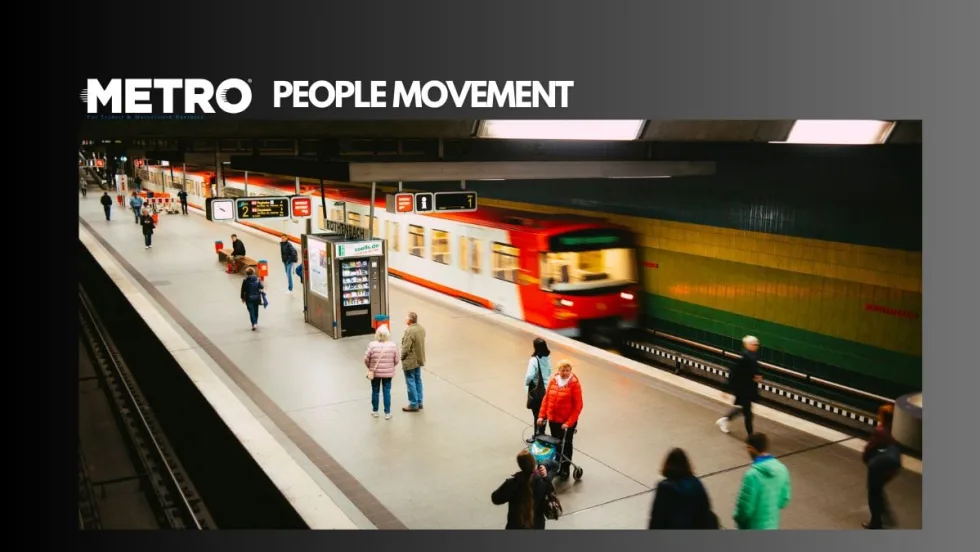
People Movement: Connectpoint Expands Leadership Team, Stadler Names New Group CEO, and More
In this edition, we also spotlight recent personnel moves at Burns, UZURV, and more, highlighting the people taking on new roles across the transportation industry.
Read More →
More Than a Summer Job: Building the Next Generation of Transit Talent
The Delaware River Port Authority and PATCO have transformed their internship program into a hands-on professional development experience that introduces students to the breadth of transportation careers — and creates a pipeline for future employees.
Read More →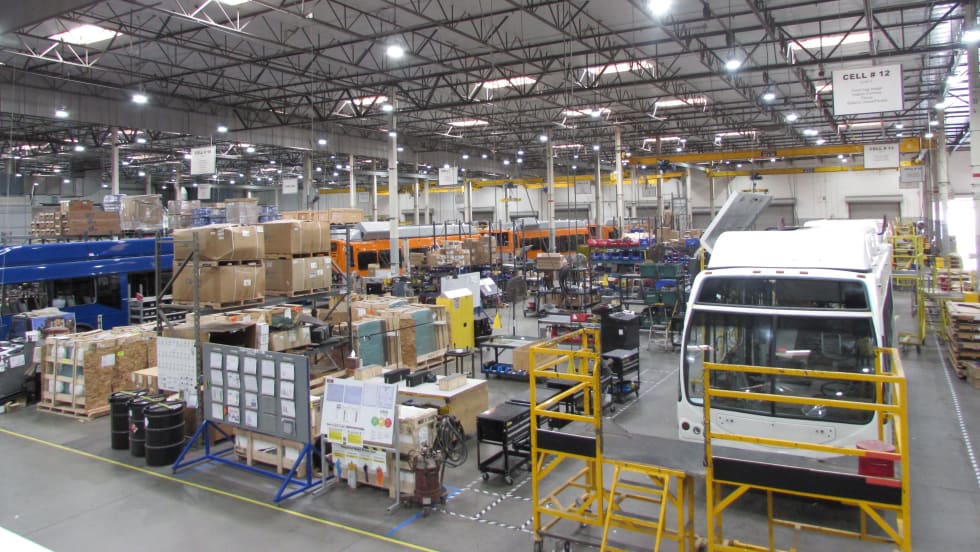
LA Metro Board Awards 220 Battery-Electric Bus Contract to ENC
The contract, which is the largest base award of battery-electric buses by a U.S. transit agency, will be built in Southern California, sustaining good jobs as LA prepares to welcome the world in 2028
Read More →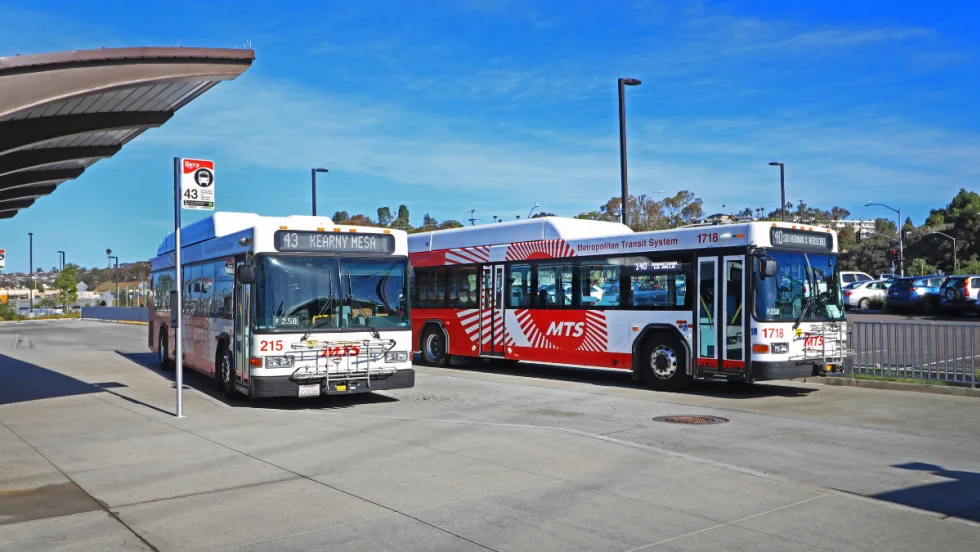
What’s Behind San Diego MTS’s Award-Winning Transit Strategy
Named one of APTA’s 2026 Outstanding Public Transportation Systems with 50 million or more annual passenger trips, California’s San Diego Metropolitan Transit System points to gains in ridership, safety, technology, and reliability as foundations of its success.
Read More →
Public Transit Conference Returning to GFX in 2027, Call for Papers Now Open
The Call for Papers is now open, allowing transit agency professionals and industry experts to help shape the PTC educational program by submitting session ideas for consideration.
Read More →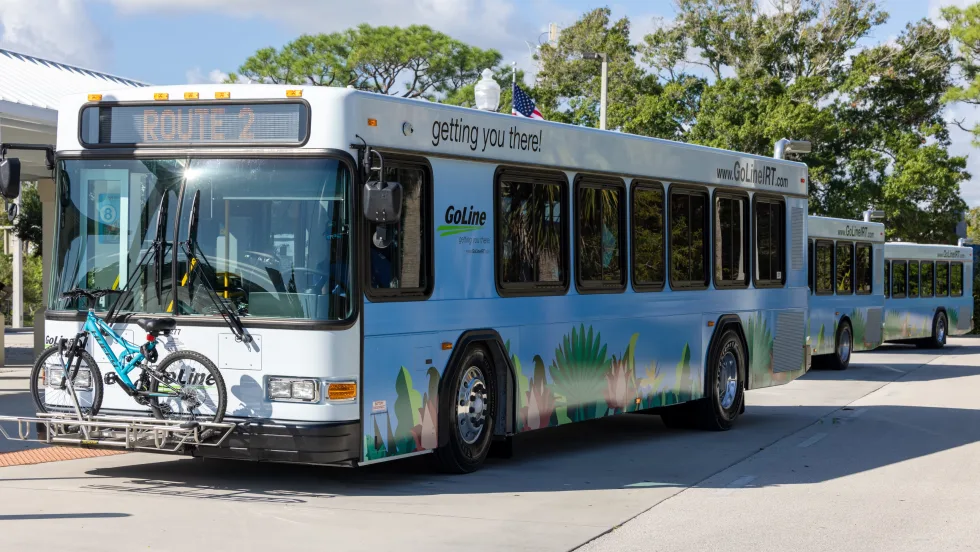
Indian River Transit’s Community-Focused Approach Earns National Recognition
Named APTA’s 2026 Outstanding Public Transportation System in its size category, Florida’s Indian River County transit system continues to grow ridership through fare-free service and a focus on evolving community needs.
Read More →
ENC Lands MATA Contract and More in Biz Briefs
In this edition of Biz Briefs, we spotlight the latest developments shaping the future of mobility.
Read More →From Surviving to Thriving: Building Stronger Transportation Organizations
Bus Business Consultants founder Brian Dickson shares lessons on leadership, organizational health, and creating options for long-term success in a changing transportation industry.
Read More →