



San Francisco's BART Breaks Multiple Records for Post-Pandemic Ridership in March
BART recorded 5,403,140 exits in March, making it the highest monthly ridership since the pandemic and surpassing the previous high set in October 2025 (5,346,890 exits).

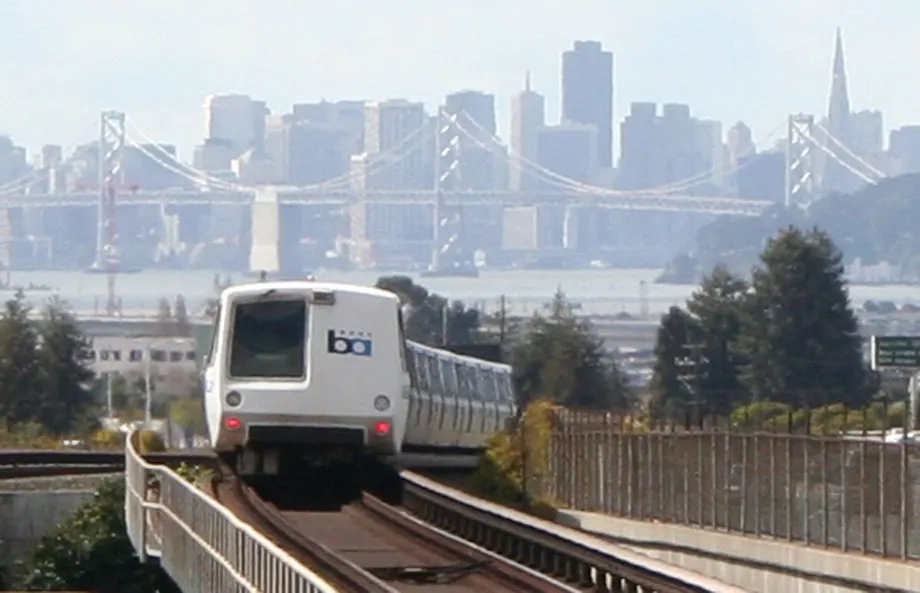
BART ridership for the month finished 13% above budget and 20% higher than March 2025, continuing a steady upward trend seen in recent monthly reports.
BART
- San Francisco's BART achieved its highest monthly ridership in March since the pandemic began, with 5,403,140 exits.
- The new ridership record surpassed the previous high of 5,346,890 exits set in October 2025.
- The data indicates a significant recovery in public transportation usage post-pandemic.
*Summarized by AI
March marked a key milestone in BART’s ridership recovery, with the San Francisco system posting its strongest performance since the pandemic. It recorded its highest monthly ridership, highest average weekday ridership, and busiest single day over that period, while Saturday ridership rose 38% year over year — highlighting growing demand for weekend travel and major events across the Bay Area, reported agency officials.
BART recorded 5,403,140 exits in March, making it the highest monthly ridership since the pandemic and surpassing the previous high set in October 2025 (5,346,890 exits).
Ridership for the month finished 13% above budget and 20% higher than March 2025, continuing a steady upward trend seen in recent monthly reports.
The system’s busiest day of the post-pandemic era was March 25 (227,300 exits), coinciding with San Francisco Giants Opening Day 2026. The surge highlights BART’s ability to move large crowds to major regional events efficiently, officials said. The previous highest ridership day was February 5, 2026, during Super Bowl LX week, with 225,830 trips.
More March Success
BART officials reported that March also marked a key recovery benchmark as average weekday ridership exceeded 200,000 trips for the first time since the pandemic. This builds on prior highs, such as October 2025, when weekday averages approached 200,000, and signals the continued return of riders for both work and everyday travel.
Weekend travel, especially Saturdays, saw some of the strongest gains. Average Saturday ridership rose 38% from March 2025, driven by major events such as the San Francisco Chinese New Year Parade and No Kings Protest Day.
The sharp increase reflects BART’s growing role beyond the traditional commute, supporting travel to cultural celebrations, civic events, and entertainment throughout the region, officials said.
March’s record-setting performance builds on steady gains reported in recent months.
Agency Still Facing A Cliff
Despite record post-pandemic ridership, fare revenue still falls short of what is needed to sustain BART operations, officials said, adding that even with continued growth, ridership alone is not enough to close the funding gap and that a new funding source is needed.
BART reports the agency is facing a structural deficit of $350 million to $400 million, driven by long-term shifts in commute patterns, including remote and hybrid work.
The agency balanced the FY26 budget with $35 million in ongoing cuts and cost controls. The FY27 deficit is reportedly $376 million.
BART is taking several actions to reduce the shortfall, including more expense reductions, but officials said it will need help to close the gap completely.
Quick Answers
BART, or Bay Area Rapid Transit, is a public transportation system serving the San Francisco Bay Area.
*Summarized by AI
More Management
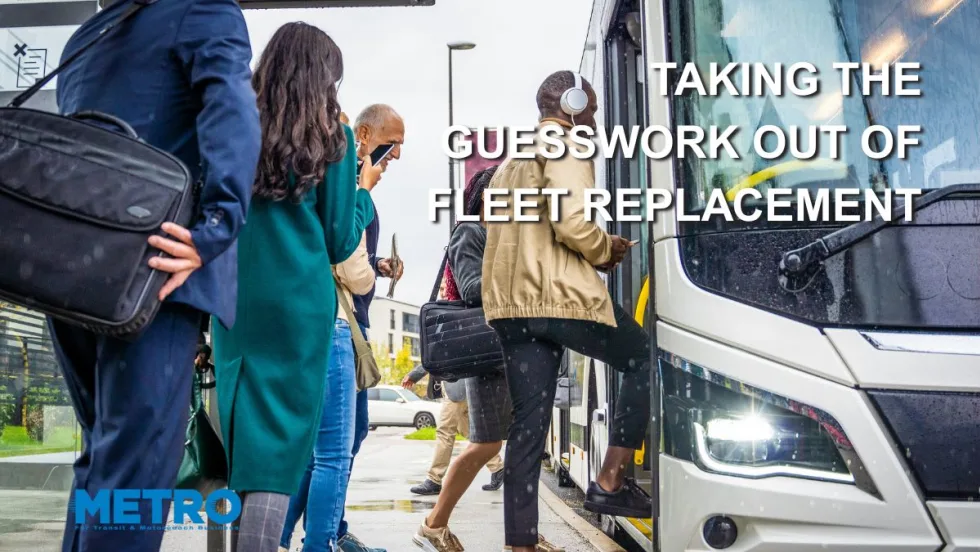
Utilimarc Launches SmartReplace to Optimize Fleet Replacement Decisions
AI-powered SmartReplace helps fleets prioritize vehicle replacements, model budget scenarios, and build more defensible long-term strategies.
Read More →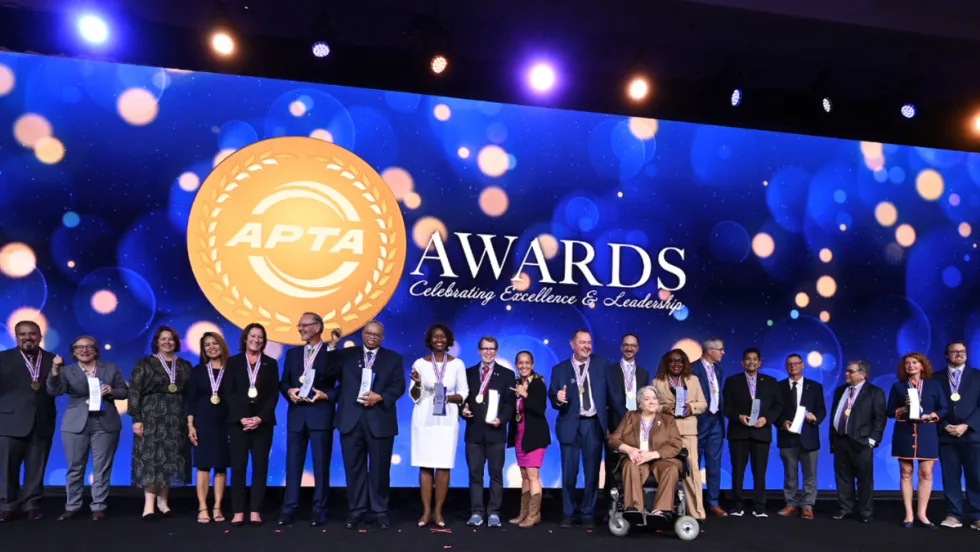
APTA Honors 2026 Award Winners, Hall of Fame Inductees at TRANSform & EXPO
Innovations in autonomous and zero-emission transportation, standout transit systems, and industry leadership took center stage among this year's honorees.
Read More →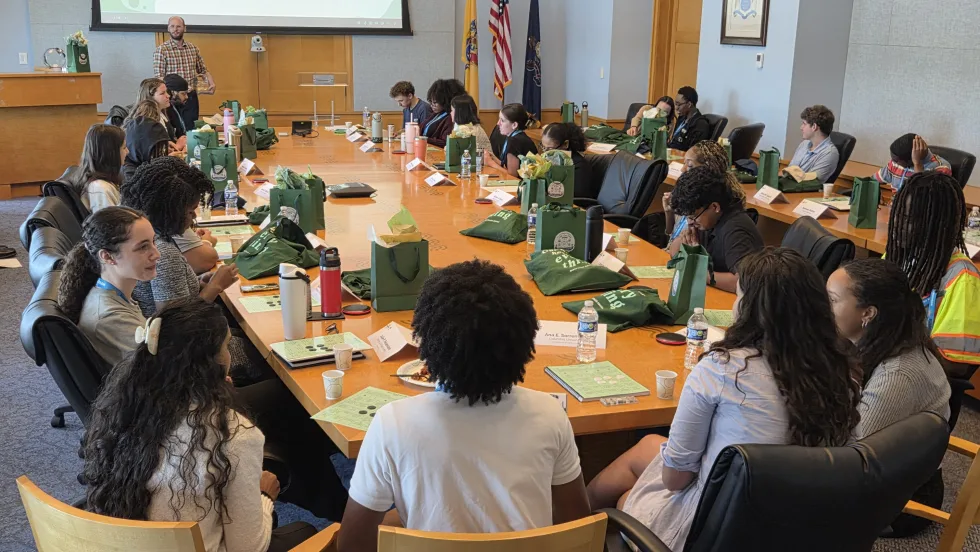
7 Ways to Build a Better Transit Internship Program
Lessons from DRPA/PATCO’s approach to creating a meaningful internship experience—and developing the next generation of transportation professionals.
Read More →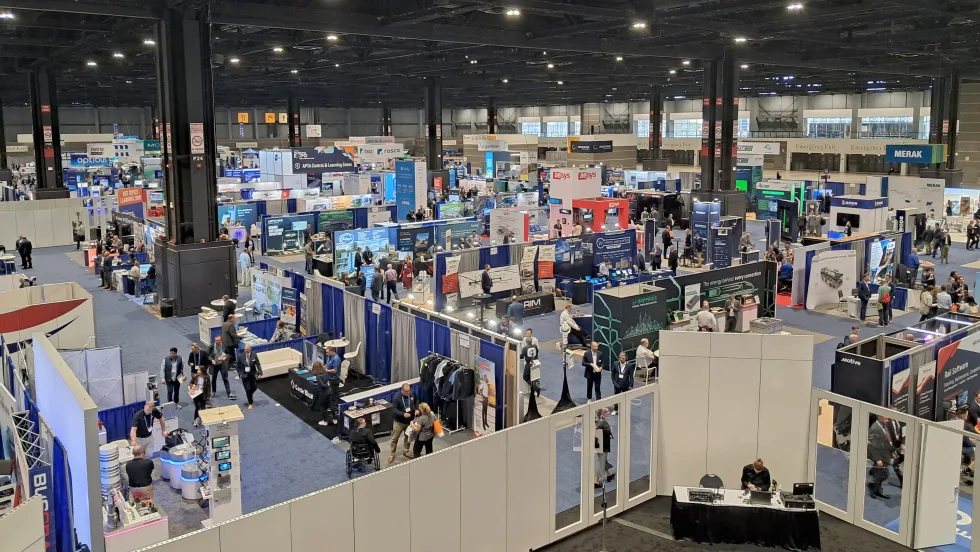
Scenes from APTA TRANSform & EXPO 2026
Transit leaders, manufacturers, and industry professionals gathered in Chicago to explore new technologies, share ideas, and discuss the future of public transportation.
Read More →
Building Stronger Leaders, More Resilient Transit Teams
Dr. Carol Parker Walsh discusses leadership development, employee retention, workplace culture, and preparing transit’s workforce for AI and automation.
Read More →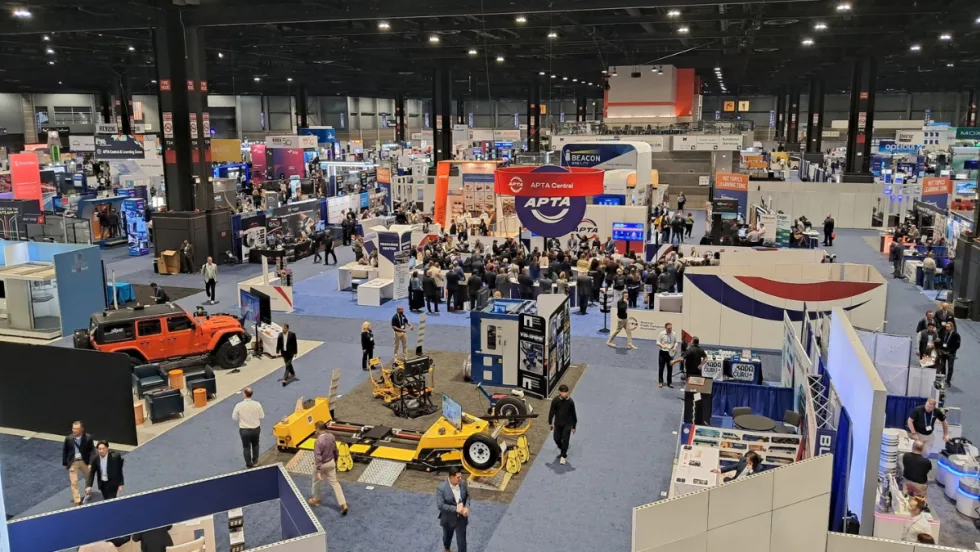
APTA 2026 TRANSform & EXPO Kicks Off in Chicago
After 45 years, APTA returns to Chicago with a focus on next-generation fleets, AI, connected transit networks, and the funding strategies shaping public transportation’s future.
Read More →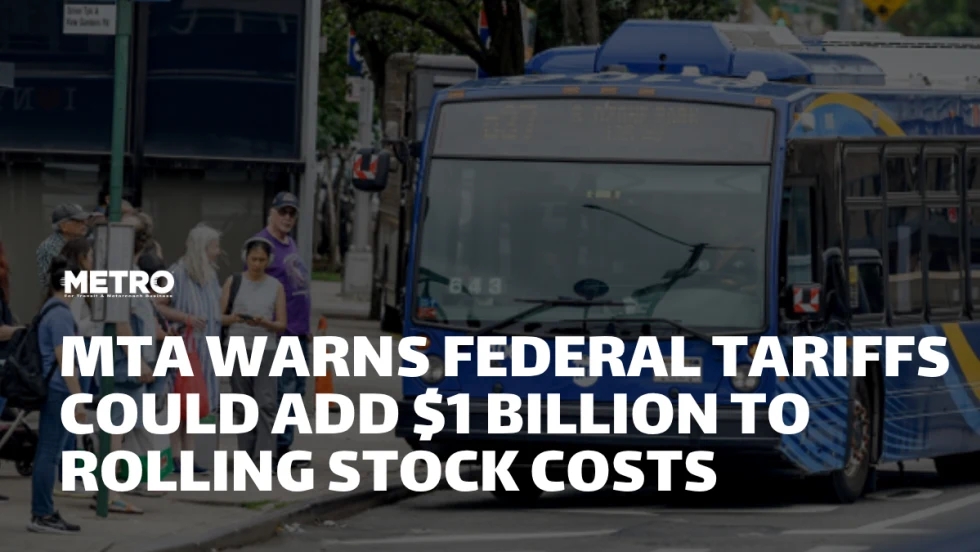
New York MTA Warns Federal Tariffs Could Add $1 Billion to Rolling Stock Costs
The agency said tariffs on specialized imported components could reduce the purchasing power of its $23 billion investment in new subway cars, railcars, and buses.
Read More →
From the Show Floor: What Happened at APTA TRANSform & EXPO 2026
See the latest product launches, partnerships, technology updates, and transit industry announcements from APTA TRANSform & EXPO in Chicago.
Read More →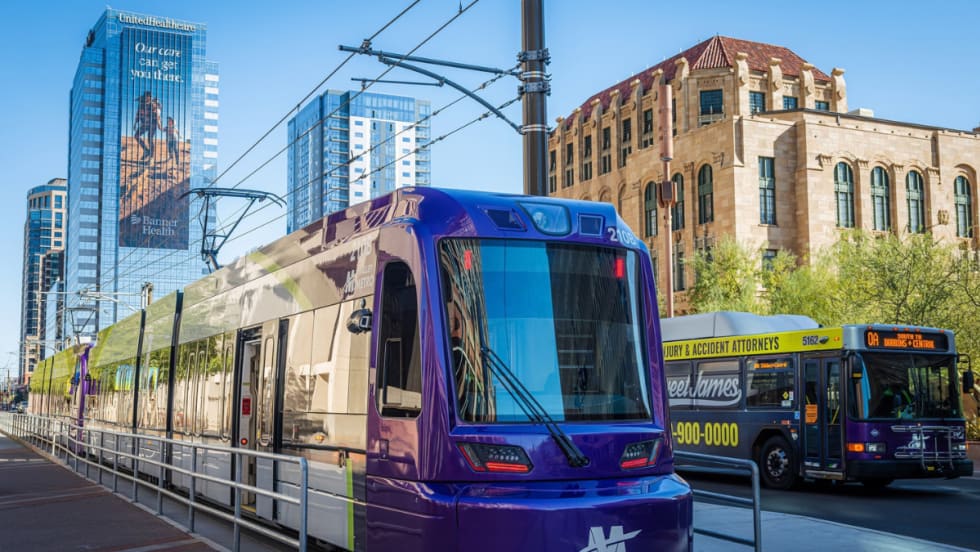
How Valley Metro Is Balancing Transit Growth With the Rider Experience
The APTA award-winning agency is pairing rapid system expansion with investments in workforce, safety, technology, and the fundamentals of transit service.
Read More →
Bus Tech Talk: Keeping Transit Technicians Ahead of the Technology Curve
In this episode of Bus Tech Talk, Complete Coach Works’ Business Development Manager Mark Hollenbeck and METRO’s Executive Editor Alex Roman sit down with Obed Mejia, Senior Technical Trainer for Bus Maintenance, at LA Metro to discuss how rapidly evolving bus technology is changing the maintenance shop — and the skills technicians need to keep pace.
Read More →