



Transit Leader Rod Diridon Sr., ‘Father of Modern Transit’ in Silicon Valley, Dies at 87
See how the longtime public servant and transportation visionary helped shape Bay Area transit systems and championed rail development nationwide.

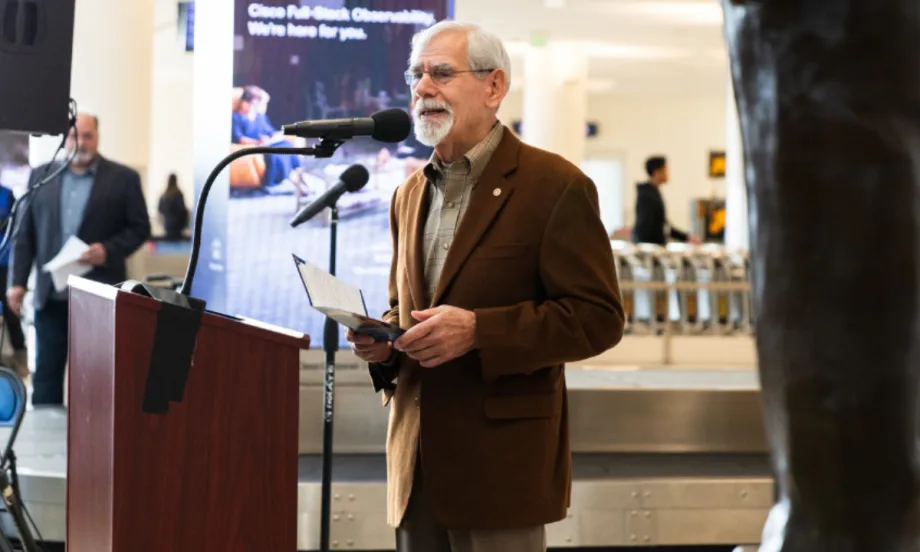
Rod Diridon Sr. at the Norm Mineta statue unveiling in 2024.
Mineta Transportation Institute
Rod Diridon Sr., a pioneering transit leader widely known as Silicon Valley’s “Father of Modern Transit” and founding executive director of the Mineta Transportation Institute (MTI), died April 3, 2026, at the age of 87 after a lifetime of public service and industry leadership.
The Mercury News reported that Diridon was hospitalized after developing sepsis following radiation treatment for recently diagnosed chest cancer in January. He had previously survived throat cancer several years earlier.
Diridon played a central role in shaping modern transportation systems in California’s Bay Area and beyond, holding numerous elected and leadership positions over more than two decades.
“He was one of a kind,” Liz Kniss, a former Santa Clara County supervisor, said. “He was more committed to transportation, probably than anyone I’ve ever known.”
According to an MTI release, Diridon’s public service career included roles as a city council member, chair of the Santa Clara County Board of Supervisors, and leadership positions on regional transit boards, where he championed policies focused on accessibility, equity, and system expansion.
He later chaired the region’s three major planning bodies: the Metropolitan Transportation Commission, the Bay Area Air Quality Management District, and the Association of Bay Area Governments. He did so while also leading multiple rail development initiatives that helped define the region’s mobility network.
Diridon was also credited with helping bring BART to Santa Clara County and laying the groundwork for Caltrain’s electrification efforts.
"At VTA, we are saddened by the passing of Rod Diridon Sr., a visionary leader and champion of public transit," Santa Clara VTA wrote on social media. "For over 50 years, he advanced equitable transit and strengthened our region. We are grateful for his contributions and extend condolences to his family and loved ones."
Shaping Transit at the State and National Level
At the state and national levels, Diridon served on the California High-Speed Rail Authority Board and was a key advocate for passenger rail development. He helped establish the High-Speed and Intercity Passenger Rail Committee and the National High-Speed Rail Corridors Coalition through the American Public Transportation Association (APTA). His contributions earned him induction into the APTA Hall of Fame.
He was also president of the Council of University Transportation Centers, guiding the research and impact of outstanding institutions across the country and ultimately “transforming the ways we move and live.”
Diridon represented Santa Clara County on the Metropolitan Transportation Committee from 1979 through 1994, serving as chairman from 1989 to 1991. In 1994, San José’s central rail hub was renamed “San José Diridon Station” in his honor.
“Over the course of his legendary career in public service, Rod championed the development of a sustainable, 21st-century transportation system for Silicon Valley,” Silicon Valley Leadership Group wrote in a statement. “He was a formidable force for good, dedicating his life to helping our community and improving the lives of all residents of the South Bay. SVLG was proud to work alongside him for the betterment of our region over the past five decades.”
A Lasting Legacy of Mentorship and Service
Beyond his policy and infrastructure achievements, Diridon was known for his dedication to mentorship and education. As the founding executive director of MTI, he played a pivotal role in advancing transportation research and developing the next generation of industry leaders.
Even after retiring, he remained actively engaged with students and young professionals, encouraging them to pursue public service and leadership roles in transportation.
“Rod’s legacy lives on in the systems he helped build, the communities he strengthened, and the countless individuals he mentored along the way,” said MTI Executive Director Dr. Karen Philbrick, Diridon’s professional successor. “At MTI, we carry that legacy forward by continuing to invest in people — because Rod never lost sight of the fact that transportation is, at its core, about improving lives.”
California Senator Dave Cortese told the San Francisco Chronicle that Diridon “worked until the very end,” sending Cortese notes from his hospital bed, urging him to make high-speed rail a reality for Californians. “Short of a terminal illness,” Cortese said, “he would not have slowed down for anything.”
Diridon received a BS in accounting and an MSBA in statistics from San José State University and served as a U.S. naval officer. In 1968, he founded the Decision Research Institute, which he sold in 1977. Diridon is survived by his wife, Dr. Gloria Duffy, his children, and his extended family.
MTI said it will continue to honor his legacy through its work advancing equitable and innovative transportation solutions.
More Management
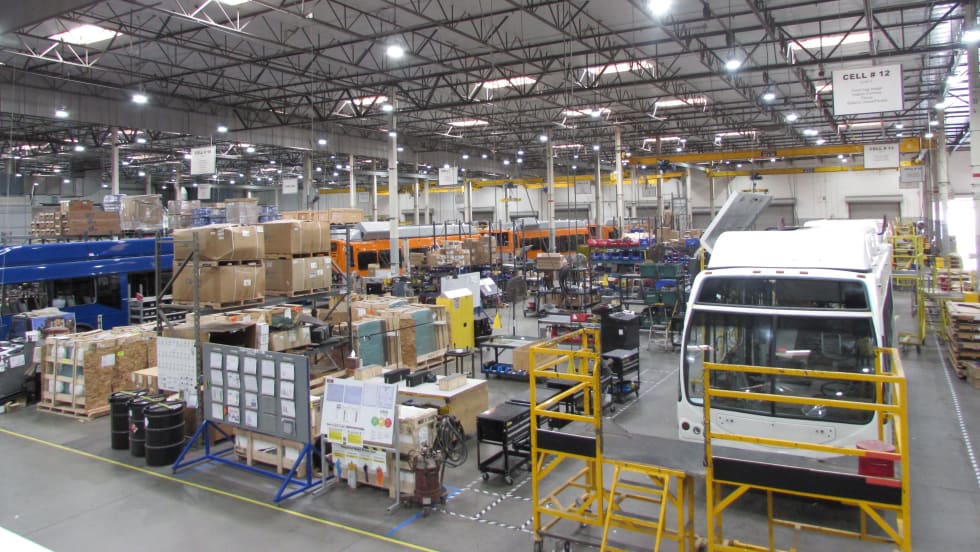
LA Metro Board Awards 220 Battery-Electric Bus Contract to ENC
The contract, which is the largest base award of battery-electric buses by a U.S. transit agency, will be built in Southern California, sustaining good jobs as LA prepares to welcome the world in 2028
Read More →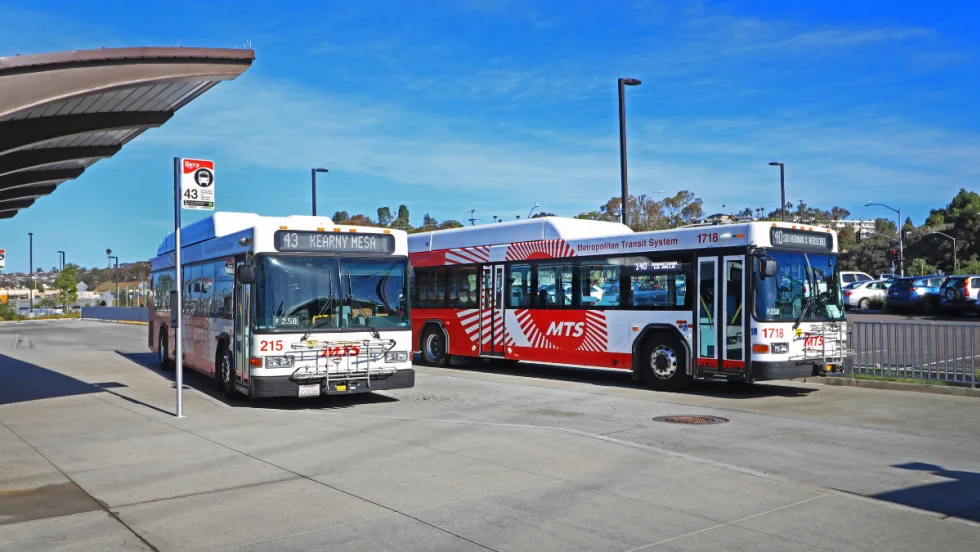
What’s Behind San Diego MTS’s Award-Winning Transit Strategy
Named one of APTA’s 2026 Outstanding Public Transportation Systems with 50 million or more annual passenger trips, California’s San Diego Metropolitan Transit System points to gains in ridership, safety, technology, and reliability as foundations of its success.
Read More →
Public Transit Conference Returning to GFX in 2027, Call for Papers Now Open
The Call for Papers is now open, allowing transit agency professionals and industry experts to help shape the PTC educational program by submitting session ideas for consideration.
Read More →
Indian River Transit’s Community-Focused Approach Earns National Recognition
Named APTA’s 2026 Outstanding Public Transportation System in its size category, Florida’s Indian River County transit system continues to grow ridership through fare-free service and a focus on evolving community needs.
Read More →
ENC Lands MATA Contract and More in Biz Briefs
In this edition of Biz Briefs, we spotlight the latest developments shaping the future of mobility.
Read More →
From Surviving to Thriving: Building Stronger Transportation Organizations
Bus Business Consultants founder Brian Dickson shares lessons on leadership, organizational health, and creating options for long-term success in a changing transportation industry.
Read More →
Everett Transit, Community Transit Outline Consolidation Agreement
The proposed agreement calls for a 50% increase in bus service in Everett, a new microtransit zone, continued paratransit service, and the transfer of Everett Transit operations to Community Transit.
Read More →
Strada360’s Steve Lassey on Turning Transit Data Into Better Decisions
From breaking down data silos to preparing for AI, Strada360 CEO Steve Lassey discusses how transit agencies can use technology to improve operations, customer information, and long-term decision-making.
Read More →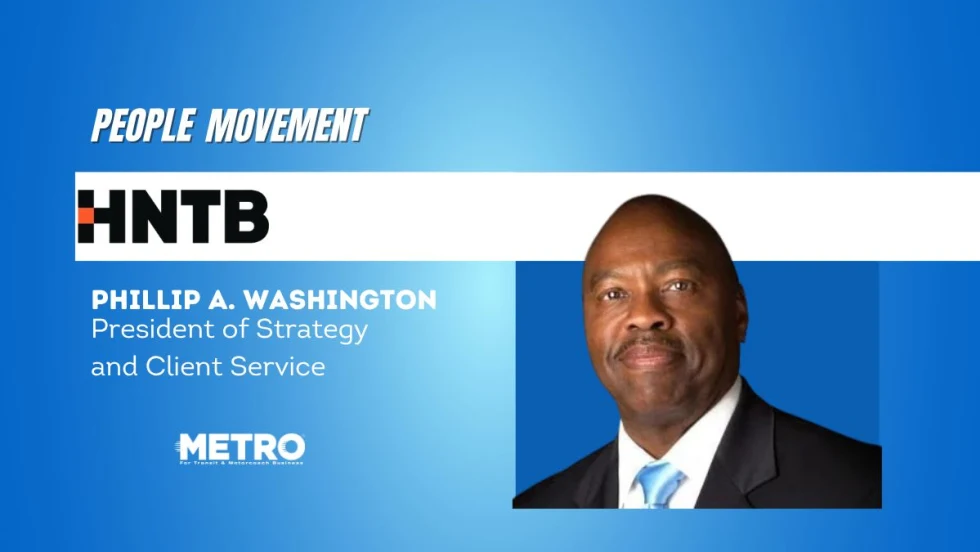
People Movement: Phil Washington Joins HNTB, Denver RTD Launches CEO Search, and More
In this edition, we also spotlight recent personnel moves at STV, the Eno Center for Transportation, and more, highlighting the people taking on new roles across the transportation industry.
Read More →
SEPTA Details Accelerate Vision for Transit System
The plan outlines investments in trolley modernization, new Metro and Regional Rail vehicles, accessible stations, and more frequent bus and rail service.
Read More →