



A double dip for more money, more riders
Increased federal investment in public transportation over the past decade has helped to bolster ridership numbers.
The wide-open highway has become something of a myth in many urban communities in the United States. Even with the strong growth in public transit ridership during the latter half of the 1990s, traffic congestion still remains a critical problem in many cities around the country. According to a report by the Mineta Transportation Institute, transit’s overall market share has declined since the 1970s. The automobile remains the travel mode of choice, despite concerted efforts by the transit industry to persuade Americans to use public transportation. Increased federal investment in public transportation over the past decade has helped to bolster ridership numbers. But more federal investment is needed to meet demands for public transportation. Which brings us to a discussion of the major piece of legislation that will guide federal investment in transportation for the next several years. The reauthorization of the Transportation Equity Act for the 21st Century (TEA 21) is scheduled for this year. Transit proponents are focusing on obtaining increased funding for new buses and railcars, infrastructure improvements, training, research and all the other good things leveraged by federal subsidies. TEA 21 authorized $41 billion for public transportation, including $36 billion in guaranteed funding. Predictability and reliability of this funding has helped transit agencies attract local and state investment as well as public/private partnerships. Transit advocates strongly support continued protection of funding guarantees and “firewalls” that ensure that Transportation Trust Fund monies are used for transportation purposes. APTA urges 12% increases The American Public Transportation Association (APTA) has laid out its recommendations to Congress for the reauthorization, which will provide a transportation spending plan for the six years beginning with FY 2004. The recommendations were the product of two years of work by the more than 100 members of APTA’s Reauthorization Task Force. As you might expect, APTA would like Congress to build on the successes of TEA 21 and its predecessor, the Intermodal Surface Transportation Efficiency Act of 1991 (ISTEA), by retaining guaranteed funding for the transit program. Moreover, APTA is lobbying for annual 12% increases in guaranteed funding, which would double the federal investment from $7.2 billion in FY 2003 to $14.3 billion in FY 2009. APTA also makes other specific recommendations on policies and procedures that include expediting program delivery, improving the planning process, streamlining procurement and revising other federal programs. Ridership gains are critical At APTA’s annual meeting in Las Vegas this past September, Jenna Dorn, administrator of the Federal Transit Administration, was specific in framing her TEA 21 reauthorization objectives, which include convincing more Americans to forsake their cars for public transportation. “If most of America won’t ride a transit bus, we will not be able to sustain transit systems that meet community mobility needs,” she said. Dorn is a strong believer in using ridership as an indicator of success and has suggested that transit properties that generate ridership gains as a result of federal investment should be rewarded. She would like to see commensurate ridership gains for increased federal investment. “I know you want Congress to double the financial resources for transit,” she said. “I would like to challenge us, in working together, to double transit ridership.” Persuading more Americans to use public transportation is a wicked challenge. A reauthorization that mirrors and enhances the funding programs of TEA 21 would provide a solid platform for this transformation.
More Management
Brian Dickson on Building Stronger, More Resilient Transportation Organizations
Bus Business Consultants Founder Brian Dickson discusses the leadership principles, operational discipline, and strategic planning that separate transportation companies positioned for long-term success from those stuck in survival mode.
Read More →
LA Metro Breaks Ground on Vermont BRT Project
The 12.4-mile corridor is projected to serve 66,200 daily riders, reduce travel times by up to 24%, and create the nation's busiest bus rapid transit corridor.
Read More →
Building Stronger Leaders, More Resilient Transit Teams
Dr. Carol Parker Walsh discusses leadership development, employee retention, workplace culture, and preparing transit’s workforce for AI and automation.
Read More →
Roman Cornell on ABC Companies’ Evolution and the Future of Passenger Transportation
The company’s CEO discusses carrying forward a third-generation family legacy, ABC’s continued evolution in passenger transportation, support for increasingly complex fleets, and how technology and continued investment could help operators improve uptime.
Read More →
CATS Launches West Charlotte Microtransit Zone, Expands Transit Services
The new microtransit zone connects residents to key destinations as Charlotte Area Transit System rolls out the first phase of its 2055 Transit System Plan.
Read More →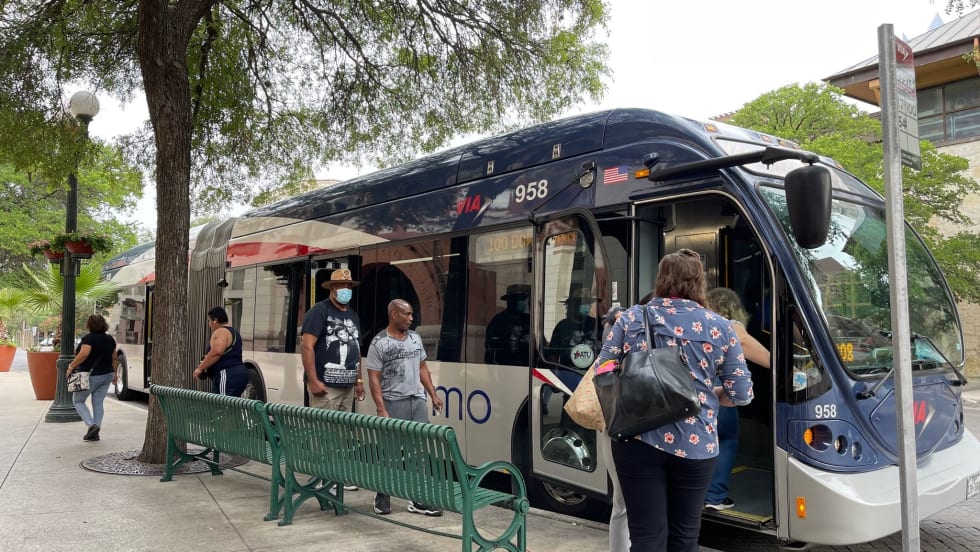
VIA Bus Ridership Grows 10.1% Through August 2026
San Antonio's VIA Metropolitan Transit reported the highest bus ridership growth among major Texas transit systems. Federal Transit Administration data ranked it second among the nation's 50 largest transit systems.
Read More →
CSA Group Releases Climate Resilience Standard for Transit, Passenger Rail
Developed with support from the Standards Council of Canada, CSA D700 guides assessing climate-related risks and planning adaptation measures for transit and passenger rail systems.
Read More →
ETA CEO John Maglio on Transit Technology, Innovation, and Building Agency Trust
ETA founder and CEO John Maglio explores the evolution of transit technology, the importance of reliable systems, and how stronger partnerships can help agencies improve operations and the passenger experience.
Read More →
COTA Launches First Customer Experience Action Plan to Improve Transit Service
The new plan outlines improvements to service reliability, accessibility, communication, and the overall rider experience across Central Ohio's transit system.
Read More →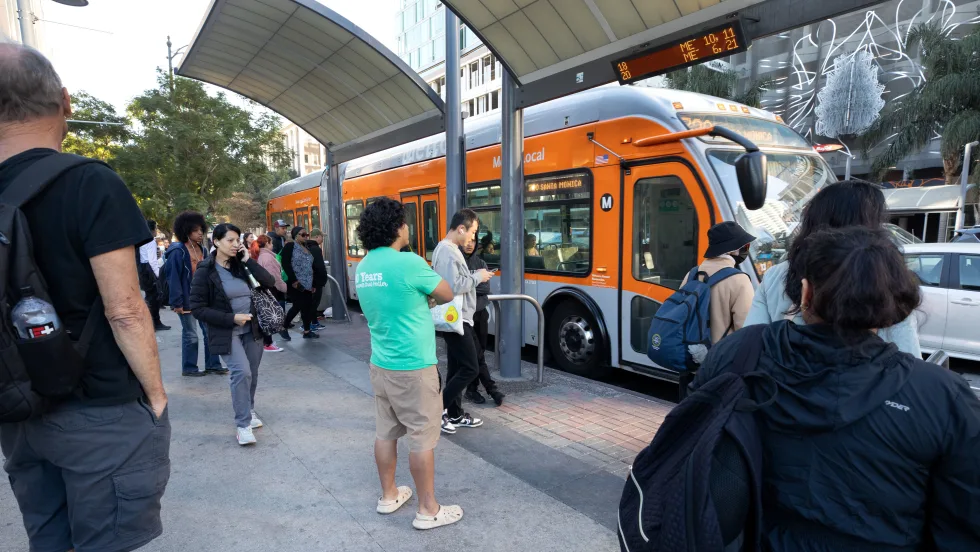
LA Metro September Ridership Climbs 3.9%, Led by Rail Growth
The agency recorded more than 27.2 million boardings, with rail ridership increasing 12.4% year over year and the D Line posting the largest gains.
Read More →