



A greater commitment to standards
Embracing the importance of developing standards in the industry is critical to progress.
Good fences make good neighbors. Along the same lines, good standards make good business in the transit industry. Not just good business, but improved safety, efficiency and performance.
That’s why it’s important that the transit industry — the properties, suppliers, governmental agencies and all other interested parties — embrace the notion that the development of standards is critical to progress, both from a business and an operational standpoint.
APTA broadens role
To that end, the American Public Transportation Association (APTA), with significant input and guidance from its business members, is placing greater emphasis on standards development. It is broadening the scope of its efforts as well as its investment in the process.
APTA’s role as a standards development organization is becoming more essential with each passing day. Although the business climate for the transit industry is improving, the continuing squeeze on operational and capital budgets is forcing public bus and rail operators to find even greater efficiencies to maintain service levels and offer mobility solutions to their communities.
“The use of standards makes good business sense,” says APTA President Bill Millar. “With the help of standards, transit systems can improve the quality and performance of their services and encourage more innovation in the transit industry, while also controlling costs.”
Bill’s comments should not be taken lightly. In a key area such as procurement reform, APTA is spearheading the effort to rationalize the process of buying equipment, especially rolling stock, in a manner that will mutually benefit transit suppliers and transit operators.
According to a study commissioned by APTA, comprehensive application of standards to the procurement of new buses and railcars could reduce the cost from $106 million to $264 million (from a total market base of $5.3 billion) each year. That would be a substantial return on an investment in standards development.
When I use the word investment, I’m talking about a real monetary commitment to the standards program. Both transit operators and transit suppliers may be asked to provide additional support to the broadened standards initiative. Other funding channels are being explored, such as obtaining grants through the Federal Transit Administration (FTA). For those of you who aren’t familiar with APTA’s standards development organization, the governing body is the Standards Development Oversight Council (SDOC). It’s composed of 18 members — including nine business members — and chaired by Peter Cannito of Metro North Railroad in New York.
This council will fund and direct the overall standards-setting activities at APTA. It will also conduct an annual evaluation of the ongoing standards development effort that will include input from APTA members, committees and bodies throughout the organization. Progress will be charted, and the program will be re-evaluated regularly.
Putting standards into action
One of the essential ingredients of a successful standards program is actual use of the standards. As many of you know, standards are too often ignored when they’re inconvenient or conflict with the status quo. To counter this inertia, the SDOC has earmarked funds for a comprehensive ongoing education program that will encourage transit systems and suppliers to use the standards as they are developed. The council will also encourage the FTA to identify and utilize incentives that will promote use of the standards by transit systems and suppliers.
APTA’s broadened role in standards development is good for the transit industry, but the association needs the support of its operator and supplier segments to bring about meaningful change. Let’s get behind this effort. It makes good business sense.
More Management

ENC Lands MATA Contract and More in Biz Briefs
In this edition of Biz Briefs, we spotlight the latest developments shaping the future of mobility.
Read More →
From Surviving to Thriving: Building Stronger Transportation Organizations
Bus Business Consultants founder Brian Dickson shares lessons on leadership, organizational health, and creating options for long-term success in a changing transportation industry.
Read More →
Everett Transit, Community Transit Outline Consolidation Agreement
The proposed agreement calls for a 50% increase in bus service in Everett, a new microtransit zone, continued paratransit service, and the transfer of Everett Transit operations to Community Transit.
Read More →

Strada360’s Steve Lassey on Turning Transit Data Into Better Decisions
From breaking down data silos to preparing for AI, Strada360 CEO Steve Lassey discusses how transit agencies can use technology to improve operations, customer information, and long-term decision-making.
Read More →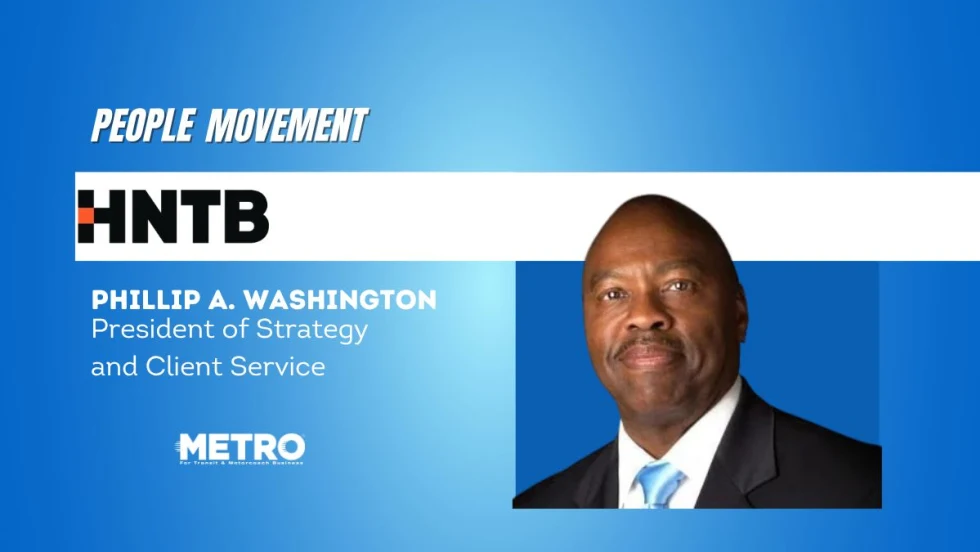
People Movement: Phil Washington Joins HNTB, Denver RTD Launches CEO Search, and More
In this edition, we also spotlight recent personnel moves at STV, the Eno Center for Transportation, and more, highlighting the people taking on new roles across the transportation industry.
Read More →
SEPTA Details Accelerate Vision for Transit System
The plan outlines investments in trolley modernization, new Metro and Regional Rail vehicles, accessible stations, and more frequent bus and rail service.
Read More →
FTA Ends Direct Oversight of MBTA Safety Actions
The federal agency closed its remaining special directive to the Massachusetts Department of Public Utilities following a safety review that began in 2022.
Read More →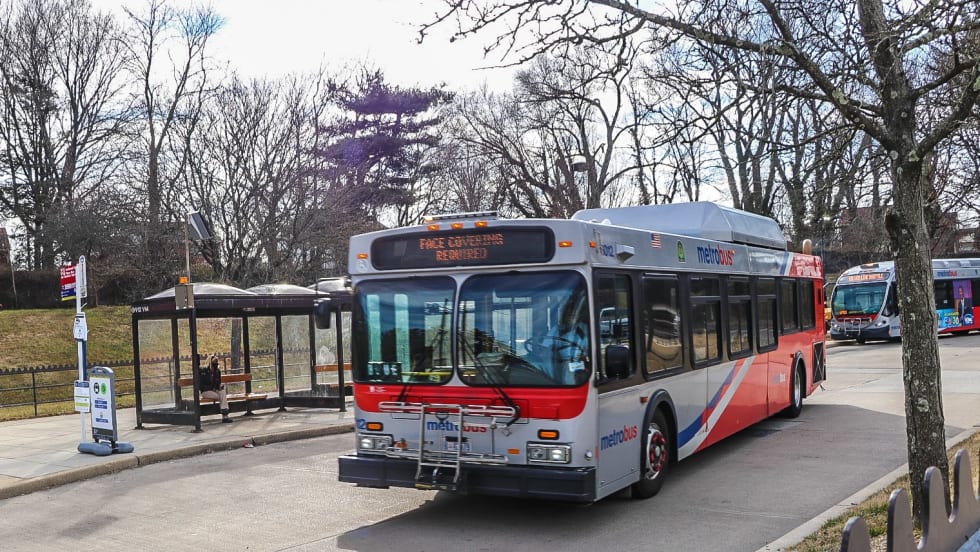
Report: Transit Bus Manufacturing Supports 34,100 Jobs, $5.1B in GDP
The “Buses Mean Business” report examines the transit bus manufacturing industry’s economic footprint, supply chain, and rising demand for vehicle replacements.
Read More →
LIT Marks 10-Year Milestone at Annual Summit
Hosted by the COTA from September 10 to 13, the Summit carried the theme “Celebrating 10 Years of Excellence, Leadership, and Impact,” with every part of the program honoring the people, agencies, and partners who built LIT over its first decade.
Read More →
People Movement: Dan Dipert Coaches Adds Third-Generation Leader, Keolis Names New Valley Metro VP/GM, and More
In this edition, we also cover recent appointments and announcements at the Wabtec, SilverRide, HNTB, and more, showcasing the individuals helping to shape the future of transportation.
Read More →