



A new approach to connecting with riders, increasing Web traffic
The Tri-County Metropolitan Transportation District in Portland, Ore., sends alerts and information to an e-mail subscriber list of 20,000.
Communicating with the public is perpetually challenging and simultaneously critical to transit authorities. More often than not, marketing departments in transit do not have the budget to utilize the broadest of media, but are still held accountable for boosting public awareness and fostering good customer relations.
Always eyeing the bottom line, agencies have tried everything from mail to press releases to door-to-door brochures. But only in recent years have the low-cost benefits of Websites and online media made a substantial impression on communication efforts.
E-subscription management
Today, nearly every transit authority uses the Internet to post service information and news updates. Playing off the popularity of Websites, e-mail subscription programs have become an effective way for agencies to market services and build solid relationships with riders.
For instance, the GovDelivery e-mail subscription management system, offered by St. Paul, Minn.-based GovDocs, allows Website visitors to subscribe to receive automated alerts, which can communicate important messages by e-mail, PDA or cell phone.
The system works well with transit applications, as riders simply visit an agency’s Website and register for the service. After that, whenever service information is changed, riders receive e-mail alerts that redirect them to the Website for more information. Alerts can be sent wirelessly to portable devices, which is handy for riders on the run when their bus is running late.
E-mail subscription management has three primary benefits for transit agencies: it greatly improves customer service, it increases Website traffic and it helps increase ridership. Rider benefits, of course, are self-evident.
Results in the transit arena
The system is currently being used by several transit authorities, including the Tri-County Metropolitan Transportation District (TriMet) in Portland, Ore.
TriMet subscribers receive personal e-mail alerts regarding schedule changes on more than 100 different routes. If they want, they can also get alerts to transit-specific news, board meetings, light rail schedules, press releases and job openings.
One of the biggest advantages to the system, says Kim Duncan, executive director of marketing and customer service for TriMet, is that it’s fast and easy to implement. “GovDelivery is a turnkey solution that put us in business right away and improved our customer service efforts.”
Since implementing its e-mail subscription management system in February 2003, TriMet has sent out hundreds of thousands of targeted e-mail alerts to a list of more than 6,500 subscribers. Currently, 115 subscription options are offered to Website visitors.
Additionally, TriMet’s Web marketing initiatives have merited national acclaim. Its Website was selected by the Federal Transit Administration as one of the nation’s best transit information sites last year.
As transit authorities continue to focus on increasing and improving communications with riders in a cost-effective way, this technology seems to be growing in popularity. Other agencies that have implemented similar programs include Sound Transit in Seattle and the Regional Transportation Commission of Southern Nevada (RTC) in Las Vegas.
“By adding wireless alerts, we are offering additional options that keep riders informed and encourage use of our system,” says Jacob Snow, general manager of the RTC.
More Management

ENC Lands MATA Contract and More in Biz Briefs
In this edition of Biz Briefs, we spotlight the latest developments shaping the future of mobility.
Read More →
From Surviving to Thriving: Building Stronger Transportation Organizations
Bus Business Consultants founder Brian Dickson shares lessons on leadership, organizational health, and creating options for long-term success in a changing transportation industry.
Read More →
Everett Transit, Community Transit Outline Consolidation Agreement
The proposed agreement calls for a 50% increase in bus service in Everett, a new microtransit zone, continued paratransit service, and the transfer of Everett Transit operations to Community Transit.
Read More →

Strada360’s Steve Lassey on Turning Transit Data Into Better Decisions
From breaking down data silos to preparing for AI, Strada360 CEO Steve Lassey discusses how transit agencies can use technology to improve operations, customer information, and long-term decision-making.
Read More →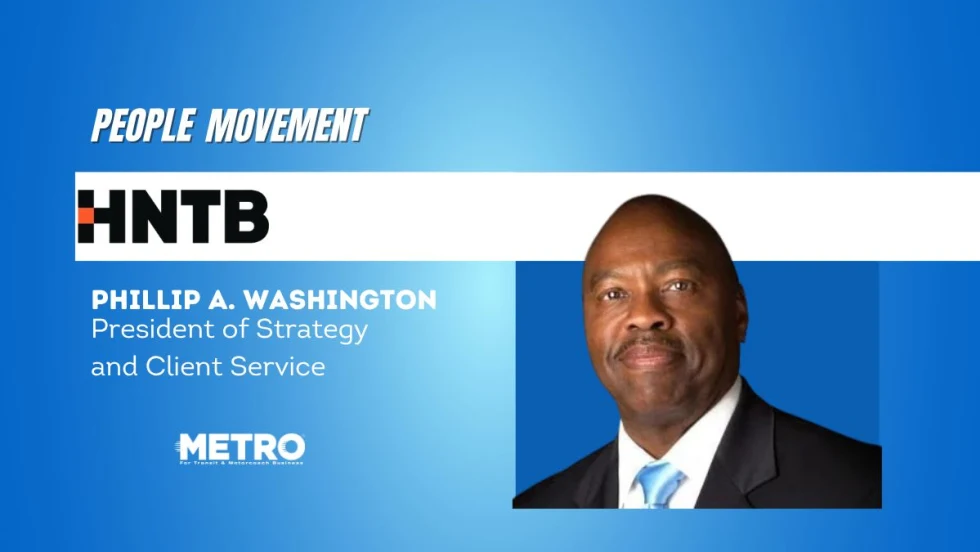
People Movement: Phil Washington Joins HNTB, Denver RTD Launches CEO Search, and More
In this edition, we also spotlight recent personnel moves at STV, the Eno Center for Transportation, and more, highlighting the people taking on new roles across the transportation industry.
Read More →
SEPTA Details Accelerate Vision for Transit System
The plan outlines investments in trolley modernization, new Metro and Regional Rail vehicles, accessible stations, and more frequent bus and rail service.
Read More →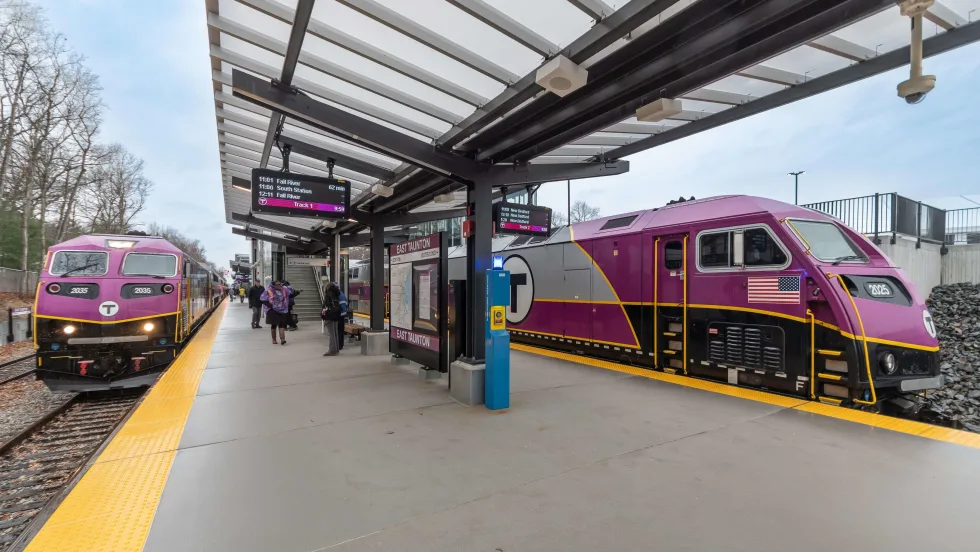
FTA Ends Direct Oversight of MBTA Safety Actions
The federal agency closed its remaining special directive to the Massachusetts Department of Public Utilities following a safety review that began in 2022.
Read More →
Report: Transit Bus Manufacturing Supports 34,100 Jobs, $5.1B in GDP
The “Buses Mean Business” report examines the transit bus manufacturing industry’s economic footprint, supply chain, and rising demand for vehicle replacements.
Read More →
LIT Marks 10-Year Milestone at Annual Summit
Hosted by the COTA from September 10 to 13, the Summit carried the theme “Celebrating 10 Years of Excellence, Leadership, and Impact,” with every part of the program honoring the people, agencies, and partners who built LIT over its first decade.
Read More →
People Movement: Dan Dipert Coaches Adds Third-Generation Leader, Keolis Names New Valley Metro VP/GM, and More
In this edition, we also cover recent appointments and announcements at the Wabtec, SilverRide, HNTB, and more, showcasing the individuals helping to shape the future of transportation.
Read More →