



A question of ethics
With public transit operators and private suppliers, a seemingly beneficial relationship can blur the lines of ethics in business.
From the outset, I want to point out that I am not an attorney providing opinions regarding ethics laws. But as a retired member of the supplier community and a current board member of a transit authority, I have seen both sides of the industry deal with uncertainties about business ethics. With my experience, I'm in the proverbial catbird seat to witness an oft-overlooked type of conduct that I understand to be an ethical conflict of interest.
The 'public-private' dilemma
Public and private interactions in the transit industry can foster beneficial relationships that give public agencies access to expertise, resources and private-sector innovation, enabling them to further their contributions to the community. Accordingly, influential relationships between the public and private sectors have traditionally been the norm for how business is done in the transit industry.
But this unique relationship between public transit operators and private suppliers can take on the appearance of a borderline ethical violation. With taxpayer money at stake, a close public-private relationship may seem to violate conflict-of-interest safeguards. After all, ethical rules are taken more seriously, and questions arise more frequently, anytime a public entity is involved.
It only takes an antithetical citizen or an investigative reporter looking to make news to expose an overlooked but frequently practiced act as an ethical violation. When this happens, the issue is usually blown out of proportion by the media, regardless of the extent of the violation. Resulting publicity is unpleasant for the board and transit authority, often leading to criminal sanctions.
Participants in public-private relationships must be aware of possible ethics violations in their interactions and at the same time preserve the integrity of the public organization. Unfortunately, not all ethics problems are easy to recognize.
A fuzzy line of legality
Board members are most vulnerable. Their specialized expertise and experience contribute to the deliberative process in public decisions, but board members, with their diverse backgrounds, likely have outside interests and relationships that can conflict with matters before the board.
Regardless of how remote a relationship is, an ugly situation develops when a board member withdraws from discussing a matter or abstains from a vote. While this might seem like safe behavior, the problem lies in the failure of the board member to recognize the seriousness of remote relationships.
Depending on a state's ethics commission, even a violation that seems unreasonable can still result in legal punishment. Ethics commissions can be harshly unforgiving in proportion to the significance of an issue or the amount of money involved.
Public-private interaction within an industry association further gives rise to a specter of conflict of interest. The time-honored practice of suppliers taking influential members of a public authority to dinner can be construed as a bribe to sway a potential contract. This practice, which is widespread in the transit industry, can be a violation of ethical conduct, wherein either party can be charged.
This should serve as a reminder that ethics laws exist, and transit industry members should be mindful of their business interactions. Many will ignore this reminder and continue to conduct themselves as they have in the past. Still, my intent is not to throw cold water on a practice that has existed over so many years; instead, it is to provide a heads-up before you have to plead ignorance, which is not an acceptable excuse to any ethics commission or court of law.
More Management

Public Transit Conference Returning to GFX in 2027, Call for Papers Now Open
The Call for Papers is now open, allowing transit agency professionals and industry experts to help shape the PTC educational program by submitting session ideas for consideration.
Read More →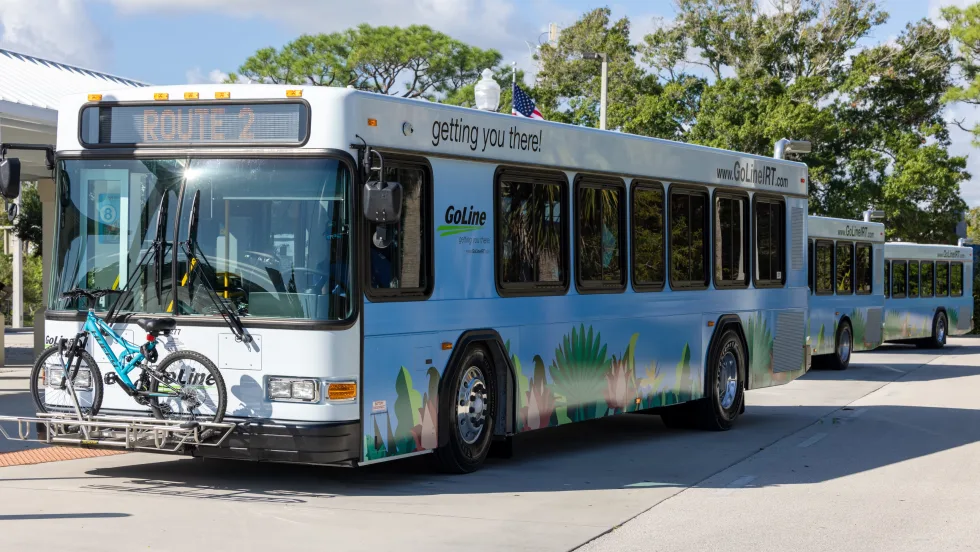
Indian River Transit’s Community-Focused Approach Earns National Recognition
Named APTA’s 2026 Outstanding Public Transportation System in its size category, Florida’s Indian River County transit system continues to grow ridership through fare-free service and a focus on evolving community needs.
Read More →
ENC Lands MATA Contract and More in Biz Briefs
In this edition of Biz Briefs, we spotlight the latest developments shaping the future of mobility.
Read More →

From Surviving to Thriving: Building Stronger Transportation Organizations
Bus Business Consultants founder Brian Dickson shares lessons on leadership, organizational health, and creating options for long-term success in a changing transportation industry.
Read More →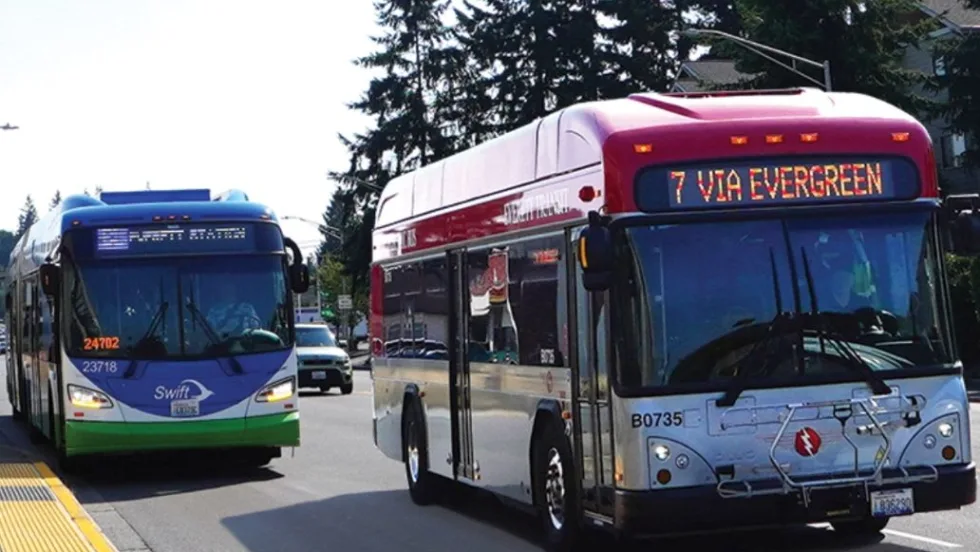
Everett Transit, Community Transit Outline Consolidation Agreement
The proposed agreement calls for a 50% increase in bus service in Everett, a new microtransit zone, continued paratransit service, and the transfer of Everett Transit operations to Community Transit.
Read More →
Strada360’s Steve Lassey on Turning Transit Data Into Better Decisions
From breaking down data silos to preparing for AI, Strada360 CEO Steve Lassey discusses how transit agencies can use technology to improve operations, customer information, and long-term decision-making.
Read More →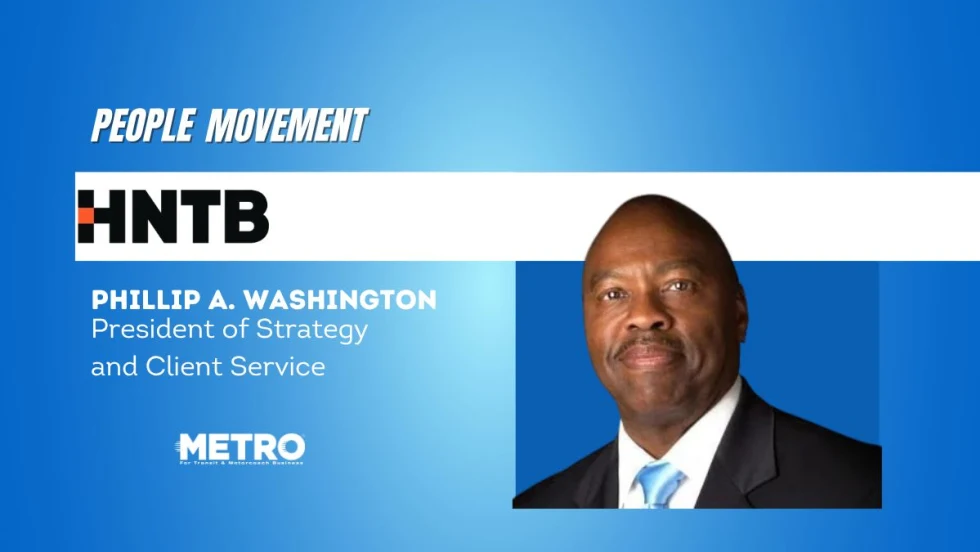
People Movement: Phil Washington Joins HNTB, Denver RTD Launches CEO Search, and More
In this edition, we also spotlight recent personnel moves at STV, the Eno Center for Transportation, and more, highlighting the people taking on new roles across the transportation industry.
Read More →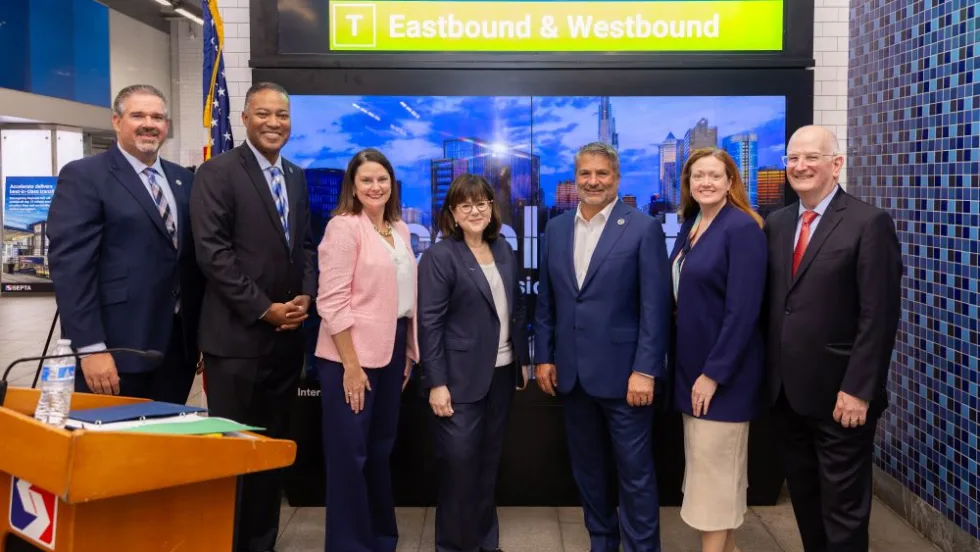
SEPTA Details Accelerate Vision for Transit System
The plan outlines investments in trolley modernization, new Metro and Regional Rail vehicles, accessible stations, and more frequent bus and rail service.
Read More →
FTA Ends Direct Oversight of MBTA Safety Actions
The federal agency closed its remaining special directive to the Massachusetts Department of Public Utilities following a safety review that began in 2022.
Read More →
Report: Transit Bus Manufacturing Supports 34,100 Jobs, $5.1B in GDP
The “Buses Mean Business” report examines the transit bus manufacturing industry’s economic footprint, supply chain, and rising demand for vehicle replacements.
Read More →