




St. Louis Metro: Damage from Record Rainfall, Flash Flooding Estimated at $18 to $20M
Agencies Alter Service to Handle Cold Weather
Transit agencies across the U.S. faced cold weather conditions in late 2022, altering services to accommodate riders. Here’s how they successfully navigated the weather.
January 23, 2023

Several agencies across the U.S. adpated to the cold weather conditions.
Photo: Canva
4 min to read
TriMet, Metro Transit, and Dallas Area Rapid Transit were able to deal with the cold weather conditions facing their respective areas through preparation and transparency.
TriMet was among multiple transit agencies that prepared for the winter weather in late 2022.
The speed of TriMet’s MAX trains changed as well, as the agency said the trains were traveling no faster than 30 mph. TriMet prepared customers for delays of up to 15 minutes. Due to trash/debris getting picked up by the wind, TriMet experienced service disruptions. Crews responded by removing the items.
“Safety is a core principle at TriMet, and we prioritize it every day,” said Tyler Graf, TriMet’s public information officer. “But when winter storms hit us, we emphasize it more, even over schedules as we have to take extra precautions. We want to provide the best possible service to those who rely on us, but we also know that safety is paramount when it is cold and slick outside.”

TriMet was among multiple transit agencies that prepared for the winter weather in late 2022.
Photo: TriMet
Because of the freezing temperatures in the area, TriMet ran its trains with ice cutters throughout the night and into the early morning. MAX trains are powered by electricity that is supplied by overhead wires. Ice cutters shear off a layer of ice so that the train can connect to power and move forward, according to TriMet.
The agency’s maintenance team also attached heavy-duty chains to a portion of buses. According to TriMet, when buses are equipped with heavy-duty chains, they can travel no faster than 25 miles per hour.
TriMet’s LIFT paratransit team then contacted riders to cancel or postpone non-essential trips.
The agency addressed more of the aftermath of the cold weather conditions, saying “there were delays, detours, and disruptions for a few days due to high winds, snow, and ice.”
Meanwhile, Metro Transit was expecting the first major winter storm of the season to bring blowing and drifting snow, ice, wind gusts up to 50 miles an hour, and wind chills of 35 below zero to the St. Louis region.
The agency encouraged public transit commuters to work from home during the time the Winter Storm Warning was in effect. If working from home was not an option, the agency advised transit customers should dress appropriately by layering warm clothing and keeping exposed skin covered.
Metro Transit was transparent in its messaging, relaying to customers that as road conditions deteriorate, MetroBus and Metro Call-A-Ride vehicles may be rerouted or delayed. MetroLink operated single-car trains through the weekend of the weather warning.
TriMet and Metro Transit were not the only agencies to prepare their customers for the cold weather.
DART expected a dangerously cold weather forecast on Dec. 23.
DART put its operations teams in place across the region to ensure regular service is not impacted by the expected weather.
In preparation for possible ice accumulation, bus and train station parking lots and walkways were treated, and DART vehicles are being weatherized.
DART extended its hours for transit centers and stations to be available and keep customers warm. The agency extended the hours from 5:00 a.m. to 10:00 p.m. from Dec. 23-24.
Here is the list of transit centers that offered extended service:
Addison Transit Center.
CBD East Transfer Center.
CBD West Transfer Center.
Cockrell Hill Transfer Location.
Downtown Garland Station.
Downtown Irving/Heritage Crossing Station.
Illinois Station.
J.B. Jackson Jr. Transit Center/MLK Jr. Station.
Ledbetter Station.
Parker Road Station.
South Garland Transit Center.
DART warned its riders that extended exposure to cold weather can be dangerous, and advised them to dress in layers to stay warm, wear a hat, cover exposed skin, and watch for signs of frostbite and hypothermia.
Graf shared advice for other agencies that may experience the impact cold weather can have.
“It is important to have your operations plan and your winter weather processes in place before the snow starts falling,” he added. “Make them available—forms, checklists, status reports, plans, maps, and other documents—in one location. When winter weather strikes, it is all hands on deck, so it helps to have as much grab-and-go information as possible built out ahead of time.”
TriMet also encouraged agencies to stay in regular contact with transportation partners and regional leaders through daily coordination calls.
Subscribe to Our Newsletter
More Security and Safety
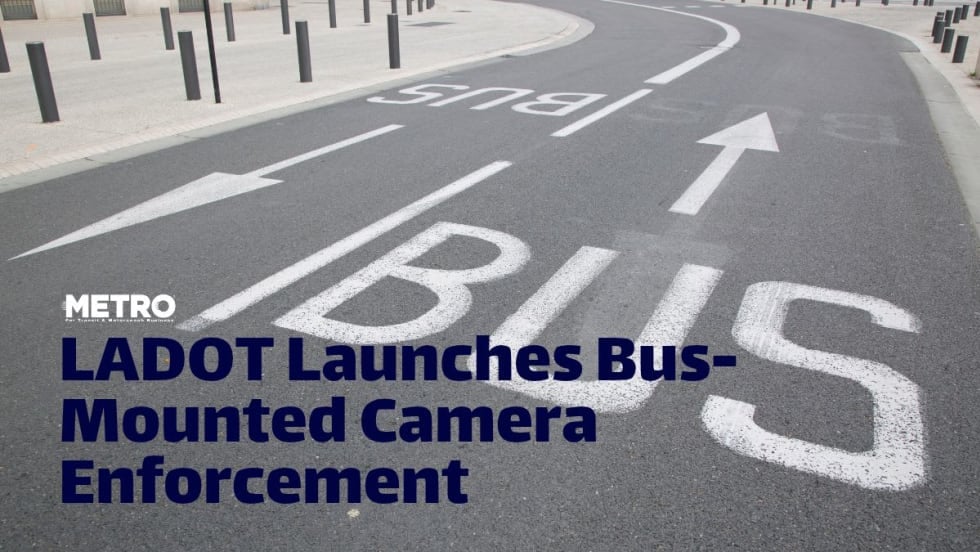
LADOT to Launch Bus-Mounted Camera Enforcement on DASH Buses
The program will begin with a 60-day warning period before citations are issued in January 2027, joining similar efforts across Southern California to improve bus reliability, safety, and accessibility.
Read More →
New York MTA Launches Historic $1.9B Signal, Track Modernization Project
Funded in part by congestion pricing revenue, the project will replace nearly century-old signals along the A and C lines in Brooklyn and Queens.
Read More →
CSA Group Releases Climate Resilience Standard for Transit, Passenger Rail
Developed with support from the Standards Council of Canada, CSA D700 guides assessing climate-related risks and planning adaptation measures for transit and passenger rail systems.
Read More →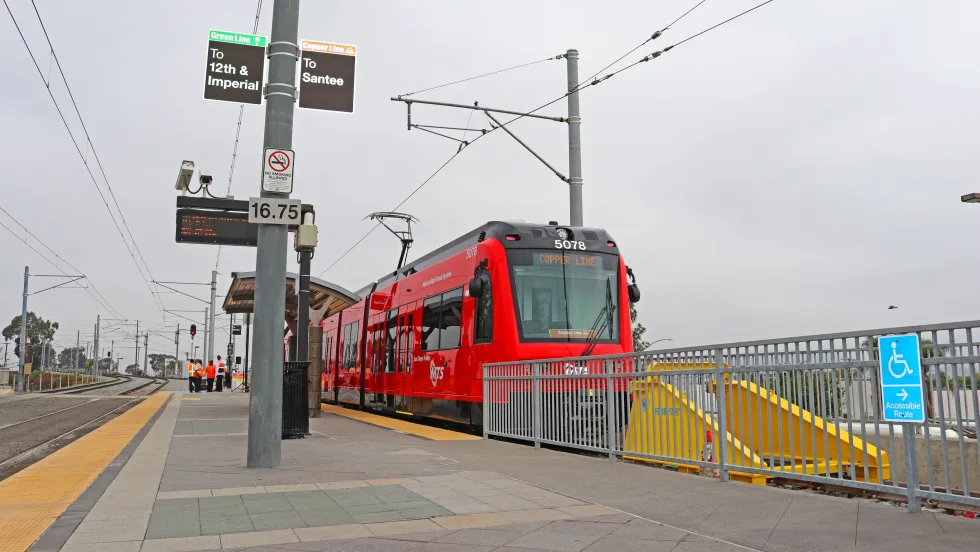
San Diego MTS Approves New Fare Evasion Penalty Program
The new administrative process will move eligible violations out of the criminal court system, cap penalties at $125, and provide flexible payment options for riders.
Read More →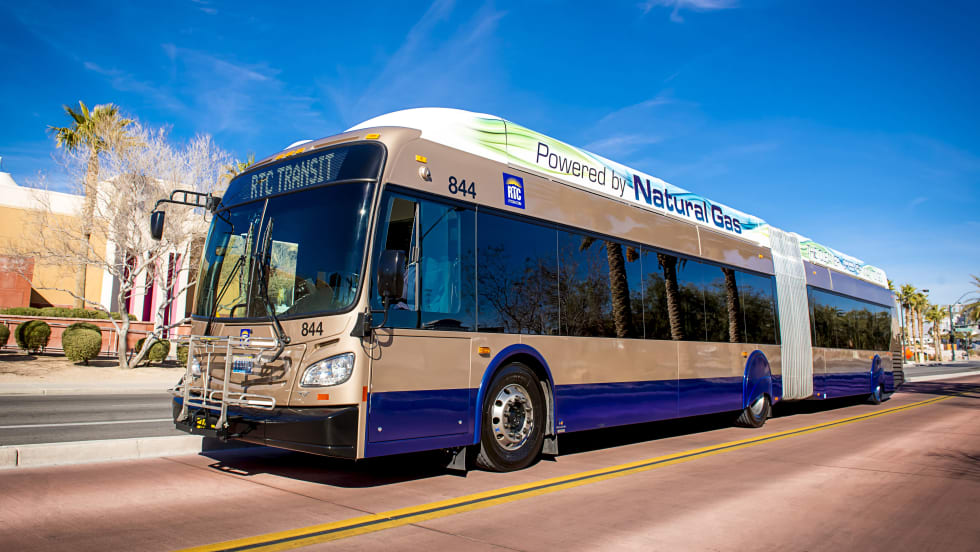
RTC of Southern Nevada Reports 29% Drop in Transit Operator Assaults
The agency credits expanded security measures, employee training, and technology investments for improvements in transit safety, while security officers have responded to 19 suspected overdoses since July.
Read More →
Public Transit Conference Returning to GFX in 2027, Call for Papers Now Open
The Call for Papers is now open, allowing transit agency professionals and industry experts to help shape the PTC educational program by submitting session ideas for consideration.
Read More →
Safe Transit Act Proposes New Security Requirements for Federal Transit Funding
Proposed legislation would link federal transit dollars to safety measures while requiring security investments, onboard cameras, and new fare collection standards.
Read More →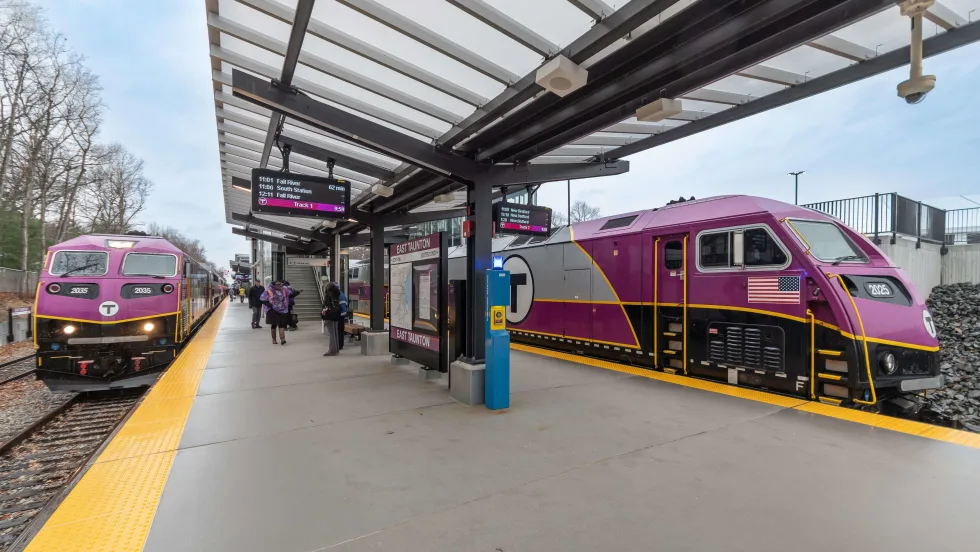
FTA Ends Direct Oversight of MBTA Safety Actions
The federal agency closed its remaining special directive to the Massachusetts Department of Public Utilities following a safety review that began in 2022.
Read More →
Transit Agencies Highlight Safety Gains at National Summit
Leaders from 15 major transit systems shared crime-reduction results and safety initiatives while discussing the role of continued federal support.
Read More →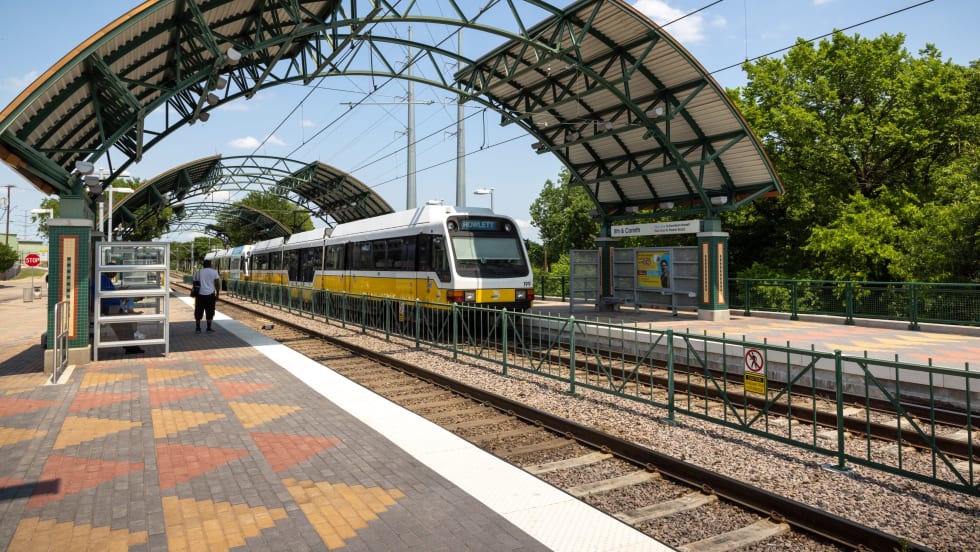
DART Launches Major Security, Fare Enforcement Initiative
The 90-day demonstration will deploy coordinated security teams at five light rail stations while testing controlled access and gathering data to guide future investments.
Read More →