



APTA honors industry leaders at annual meeting
Reauthorization a hot topic.

Reauthorization was a hot topic at APTA’s Annual Meeting, attended by nearly 2,000 North American transit industry leaders.
The event, held in San Jose, Calif., Oct. 9 to 11, featured 35 educational sessions and technical tours, as well as awards ceremonies recognizing the industry’s top leaders, operations and marketing campaigns.
During the general session, APTA President Bill Millar touted the industry’s successes, including those in the areas of ridership and security funding.
“It’s certainly important that we get more money and not less from the Department of Homeland Security,” Millar said. “We are working with them to fashion a long-term piece of legislation, and we continue to make progress.”
Millar also noted the work being done with transit agencies across the nation to develop an emergency preparedness program that will help mitigate the effects of disasters such as Hurricane Katrina.
“We hope to be where we have signed agreements for neighbor to help neighbor,” Millar said. “We have 125 [transit agencies] signed up so far, and we would like all 400 to sign up.”
Howard Silver, who was unanimously elected to chair APTA for the upcoming year, outlined the goals of the association over the next year. “Working on the next reauthorization and financing the future of the industry is a primary goal,” he said.
A highlight of the event was a speech by newly appointed FTA Administrator James S. Simpson in which he shared his experiences as a public transportation user and former bus company owner. He also discussed his transition from the private to public sector.
“We need to treat public transportation like a business, where it’s all about the bottom line,” Simpson said. “We need to seek more customers, in other words, a bigger market share.”
Simpson also extolled the virtues of “embracing technology to improve performance and increase productivity. Transit agencies need to become entrepreneurial.”
Other opening session speakers included Angelos Pangratis, deputy head of delegation for the European Commission to the United States. He discussed the importance of transit issues as part of the global relationship between the U.S. and the European Union.
“It is in our best interest, from an economic point of view, to work together and share information,” Pangratis said. “That is especially true when talking about technology and innovation, energy issues and the environment. We work together, and together we either get it right or we fail.”
APTA also honored top public transportation leaders during the four-day event. Dwight D. Brashear, CEO/general manager of the Baton Rouge, La.-based Capital Area Transit System, was given a leadership award for his work in the aftermath of Hurricane Katrina. Other honorees included Cal Marsella, general manager/CEO of Denver’s Regional Transportation District, who received the Outstanding Public Transportation Manager Award. Dan Reichard Jr., one of the founders of GFI-Genfare, and former APTA chair Shirley DeLibero were inducted into the APTA Hall of Fame.
Beaver County Transit Authority (Rochester, Pa.); Stark Area Regional Transit Authority (Canton, Ohio); Central New York Regional Transportation Authority (Syracuse); and Los Angeles County Metropolitan Transportation Authority were recognized as the Outstanding Public Transportation Systems of the year.
More Management

How Gen Z's Changing Mobility Habits Are Reshaping Public Transit
As younger generations embrace multimodal mobility over private vehicles, transit agencies can rethink station design, the passenger experience, and public transportation's role in building connected communities.
Read More →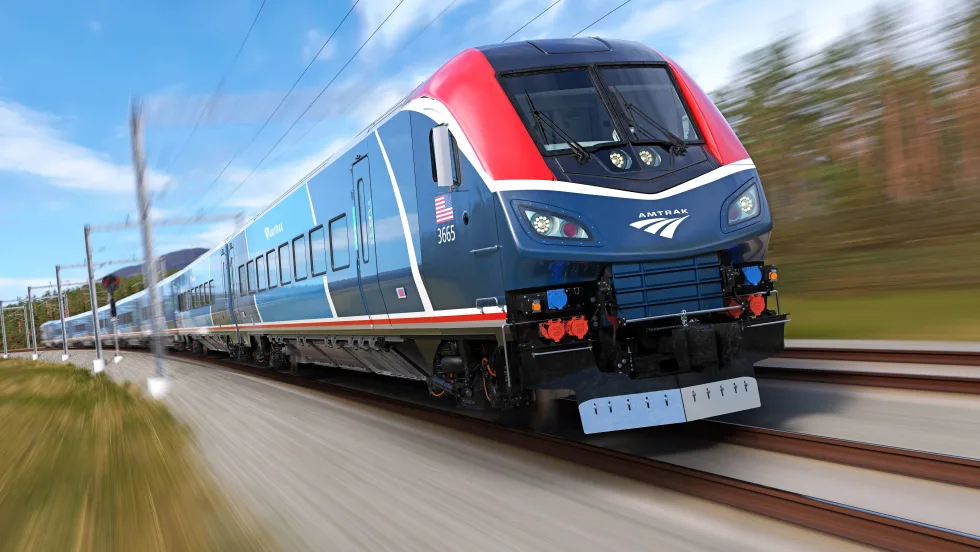
Amtrak Expands Airo Fleet with Eight Higher-Capacity Trainsets
The new 10-car trains, expected to enter service in 2031, will provide about 34% more seating capacity to meet growing demand on the Northeast Corridor.
Read More →
APTA Urges FTA to Withdraw Proposed Capital Investment Grants Guidance
The association warns that proposed changes could delay transit projects, reduce federal funding, and create new hurdles for 47 projects currently in the CIG pipeline.
Read More →
Amtrak, NJ TRANSIT Launch Full Service on New Portal North Bridge
The completion of the two-track bridge over the Hackensack River eliminates a longstanding source of delays for NJ TRANSIT and Amtrak customers. It marks a major milestone for the Gateway Program.
Read More →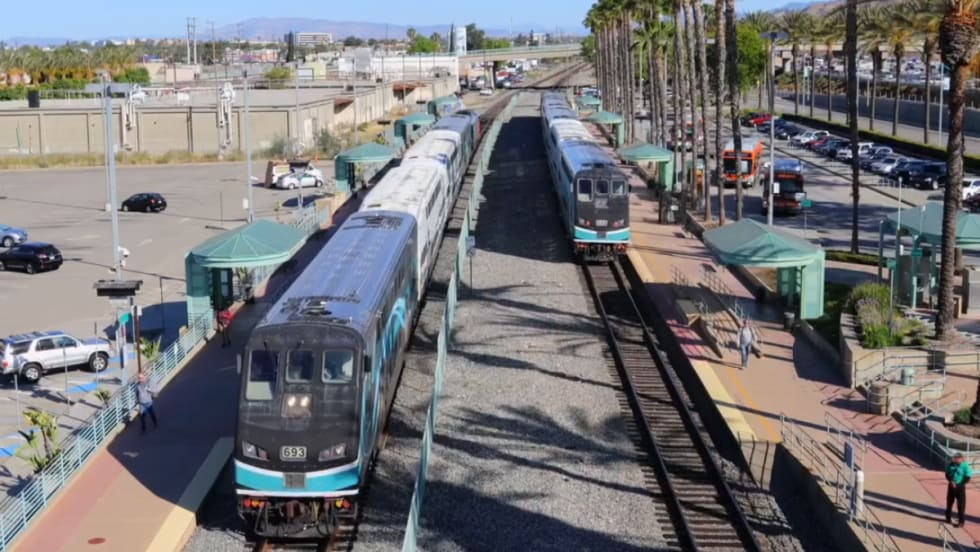
Southern California’s Metrolink Approves $508.8M Budget, Avoids Service Cuts
A $20 million state allocation allows the regional rail agency to maintain existing weekday and weekend service through fiscal year 2028, although longer-term funding challenges remain.
Read More →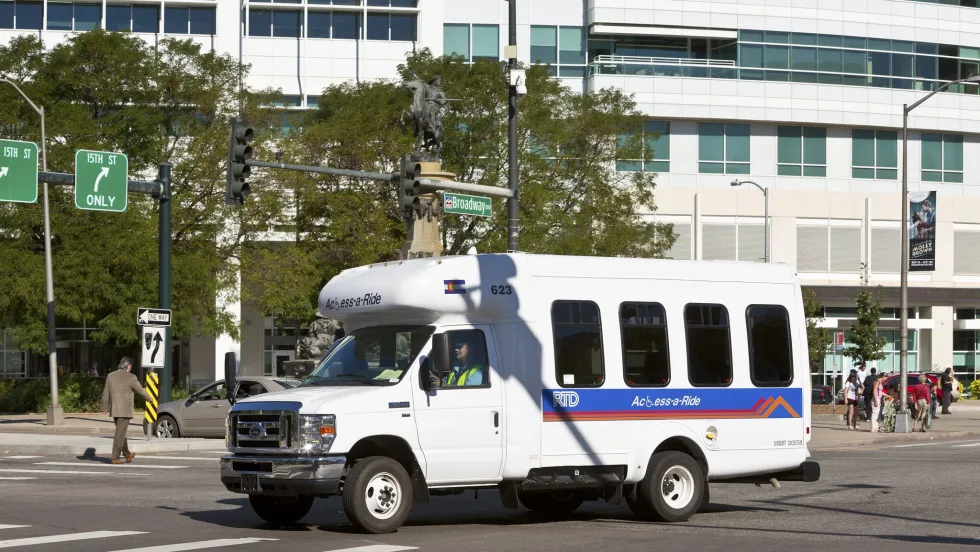
Denver RTD Committee to Review Paratransit Services, Improve Accessibility
The committee will oversee an independent study of paratransit operations, gather customer feedback, and recommend improvements to service reliability, accessibility, and accountability.
Read More →
Castro to Lead RTC of Southern Nevada and More in People Movement
In this edition, we also cover recent appointments and announcements at the STV, MCI, and more, showcasing the individuals helping to shape the future of transportation.
Read More →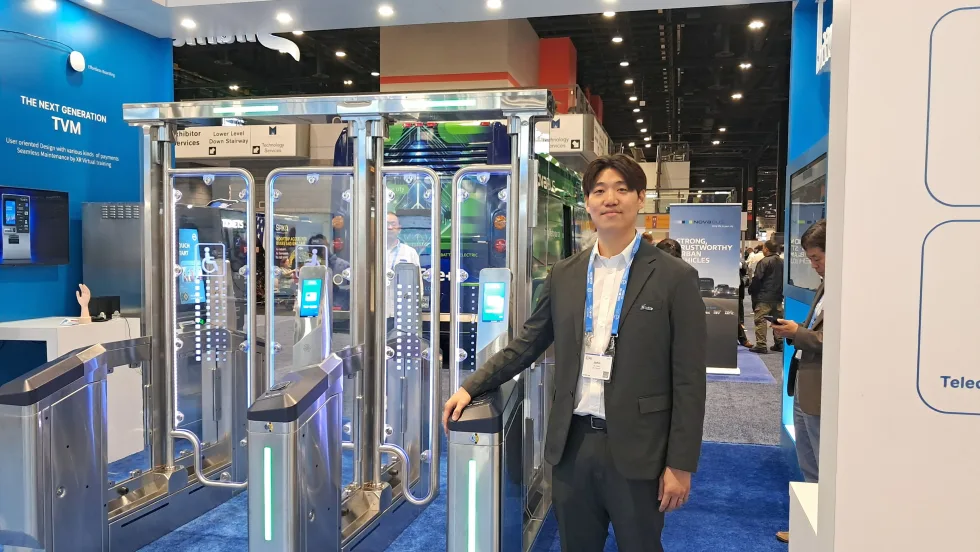
STraffic Expands North American Presence with Fare Collection Technology
John Moon, Associate Director, Product Strategy at STraffic, discusses the company's growth in North America, its efforts to reduce fare evasion, and more.
Read More →
Study: Denver RTD Generates $2.1 Billion in Annual Economic Activity
An economic impact study finds the agency supports approximately 17,500 jobs, delivers $1.6 billion in annual community and mobility benefits, and generates $2.42 in economic value for every dollar invested.
Read More →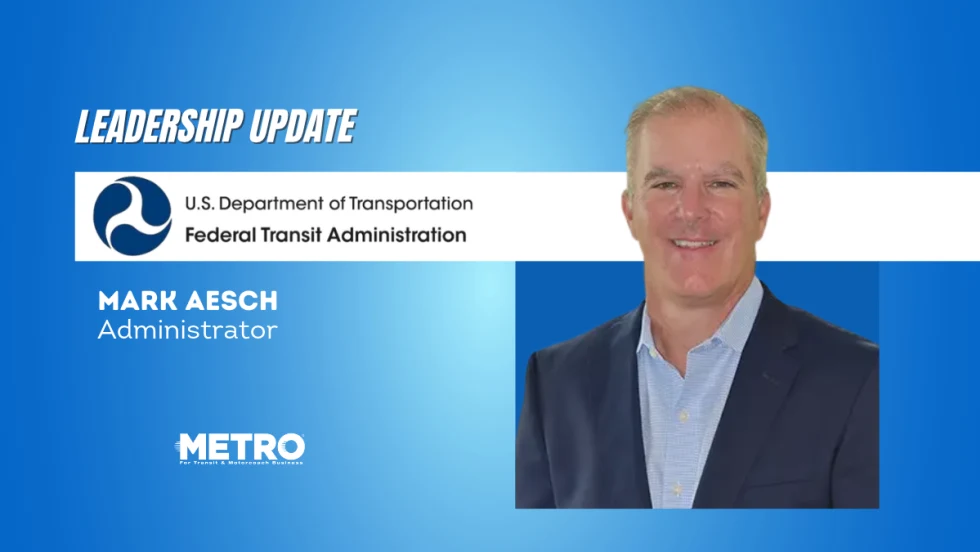
Mark Aesch Nominated to Lead Federal Transit Administration
The former Rochester transit chief and TransPro founder, who has also contributed to METRO Magazine, brings decades of industry experience and a focus on performance, accountability, and financial sustainability to the nomination.
Read More →