



Atlanta battles sprawl with project competition
Twenty years from now, Atlanta, once ridiculed as the “Queen of Sprawl,” may be transformed into a landscape traversed by commuter rail, light rail, buses and pedestrian paths that link neighborhoods and communities.

Twenty years from now, Atlanta, once ridiculed as the “Queen of Sprawl,” may be transformed into a landscape traversed by commuter rail, light rail, buses and pedestrian paths that link neighborhoods and communities. The Atlanta Regional Commission (ARC) and its brainchild, the Livable Centers Initiative (LCI), are major players in this effort to refocus the region’s planning efforts. In 1999, a network of agencies and studies began transit-related transportation planning as a major focus of ARC’s quality growth objectives. ARC began its two-tier LCI funding program with an allocation of $5 million over five years for the initial planning studies. Tom Weyandt, ARC’s director of comprehensive planning, said these first-round planning grants are competitively awarded to local communities or non-governmental organizations. In the first year, the agency awarded 12 grants. Individual awards averaged about $75,000. In the second tier, LCI planning grant recipients can compete for implementation grants. So far, implementation grants have totaled close to $40 million, with individual awards as high as $3 million for design and construction. The city of Atlanta has several LCIs in the works. One region of the city, the Greenbriar Mall area, received an implementation grant of $2.8 million for FY 2003. The mall planning study focused on revitalizing the area surrounding the underutilized 50-year-old mall and transforming it into a dynamic town center. Odalys Delgado of PBS&J was project manager for the Greenbriar Mall LCI study. A principal recommendation, she said, was to move an existing park-and-ride transfer station from the outskirts of the mall area to the mall itself. This move would improve security at the park-and-ride, but, more importantly, the relocated station could be a “placeholder” for a future Metropolitan Atlanta Rapid Transit Authority rail station while immediately enhancing access to the mall. — JOHN M. FISH, PBS&J
More Management

More Than a Summer Job: Building the Next Generation of Transit Talent
The Delaware River Port Authority and PATCO have transformed their internship program into a hands-on professional development experience that introduces students to the breadth of transportation careers — and creates a pipeline for future employees.
Read More →
LA Metro Board Awards 220 Battery-Electric Bus Contract to ENC
The contract, which is the largest base award of battery-electric buses by a U.S. transit agency, will be built in Southern California, sustaining good jobs as LA prepares to welcome the world in 2028
Read More →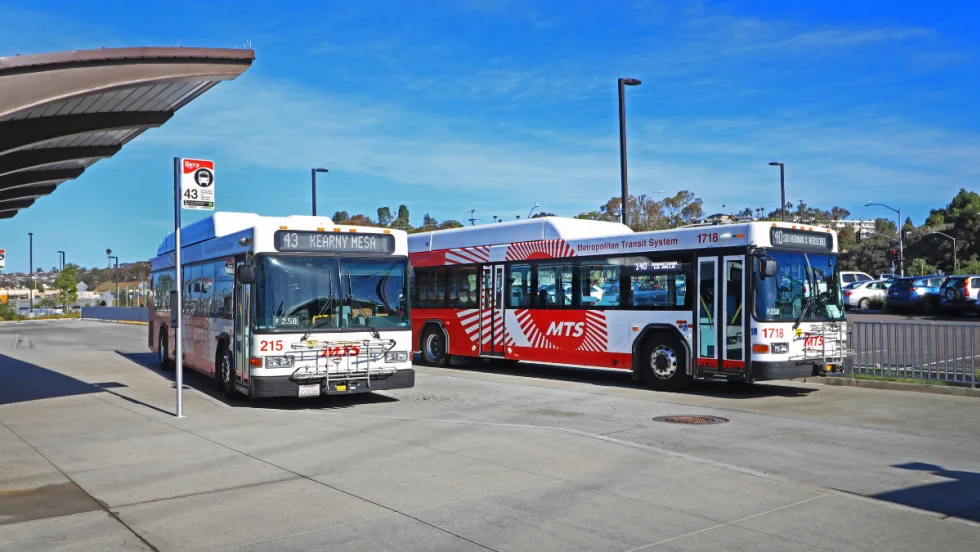
What’s Behind San Diego MTS’s Award-Winning Transit Strategy
Named one of APTA’s 2026 Outstanding Public Transportation Systems with 50 million or more annual passenger trips, California’s San Diego Metropolitan Transit System points to gains in ridership, safety, technology, and reliability as foundations of its success.
Read More →
Public Transit Conference Returning to GFX in 2027, Call for Papers Now Open
The Call for Papers is now open, allowing transit agency professionals and industry experts to help shape the PTC educational program by submitting session ideas for consideration.
Read More →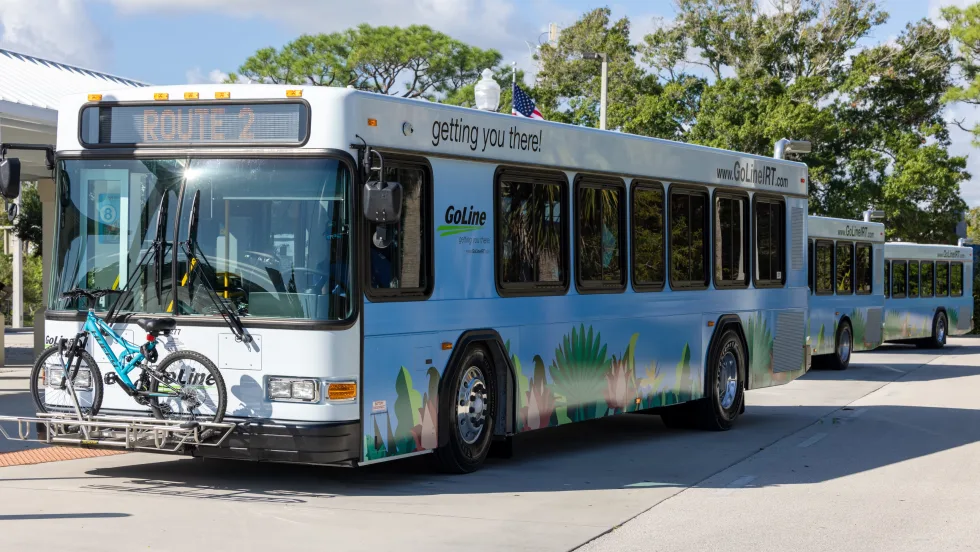
Indian River Transit’s Community-Focused Approach Earns National Recognition
Named APTA’s 2026 Outstanding Public Transportation System in its size category, Florida’s Indian River County transit system continues to grow ridership through fare-free service and a focus on evolving community needs.
Read More →
ENC Lands MATA Contract and More in Biz Briefs
In this edition of Biz Briefs, we spotlight the latest developments shaping the future of mobility.
Read More →
From Surviving to Thriving: Building Stronger Transportation Organizations
Bus Business Consultants founder Brian Dickson shares lessons on leadership, organizational health, and creating options for long-term success in a changing transportation industry.
Read More →
Everett Transit, Community Transit Outline Consolidation Agreement
The proposed agreement calls for a 50% increase in bus service in Everett, a new microtransit zone, continued paratransit service, and the transfer of Everett Transit operations to Community Transit.
Read More →
Strada360’s Steve Lassey on Turning Transit Data Into Better Decisions
From breaking down data silos to preparing for AI, Strada360 CEO Steve Lassey discusses how transit agencies can use technology to improve operations, customer information, and long-term decision-making.
Read More →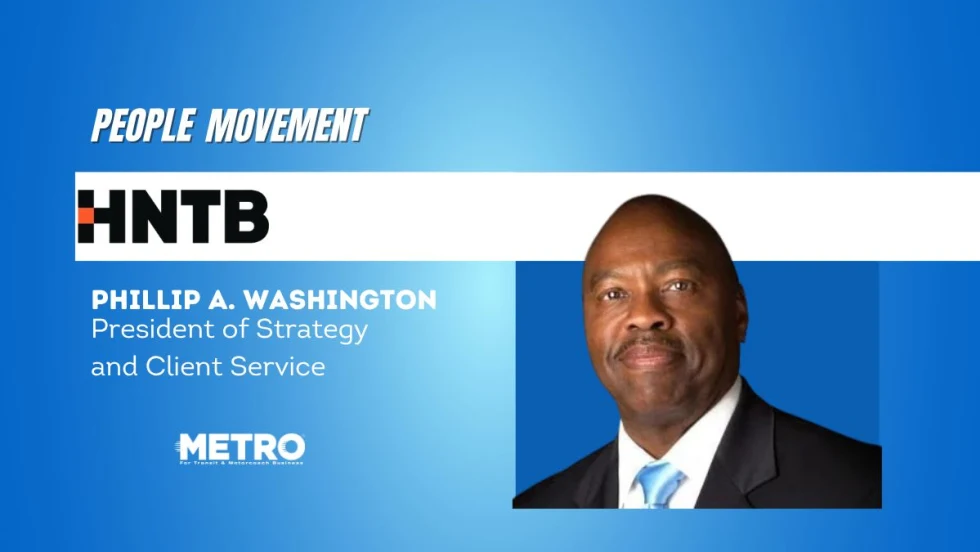
People Movement: Phil Washington Joins HNTB, Denver RTD Launches CEO Search, and More
In this edition, we also spotlight recent personnel moves at STV, the Eno Center for Transportation, and more, highlighting the people taking on new roles across the transportation industry.
Read More →