



Beyond SAFETA-LU
Public transit still needs billions of dollars of additional funding from federal, state and local governments.
The $52.6 billion in guaranteed federal funding for transit that’s included in SAFETEA-LU is critical to the continued maintenance and development of the nation’s public transportation system.
But it’s not nearly enough. As all of you well know, current funding levels do not adequately meet the growing needs of the nation’s transit systems or its private bus operators, especially as security concerns escalate in the wake of terrorist attacks.
The public transportation industry still needs billions of dollars of additional funding from federal, state and local governments.
Deficit needs to be confronted
The U.S. Chamber of Commerce’s National Chamber Foundation (NCF) has addressed this issue in a recent study called “Future Highway and Public Transportation Finance.”
The study, performed by Cambridge Systematics Inc., takes a look at highway and transit funding for the period from 2005 through 2015 and quantifies the estimated shortfall. More importantly, it also examines options that could enable and stimulate greater investment by the federal government, states and local authorities.
According to the NCF report, all levels of government must invest $235 billion in 2006 and continue up to $304 billion in 2015 just to maintain our current highway and transit system. Using current revenue streams as its guide, the NCF estimated that the shortfall through 2015 will be $500 billion.
To improve our transportation system to a level that benefits the nation’s economic productivity, all levels of government must invest $288 billion in 2006 and $368 billion in 2015. The shortfall based on current revenue streams is $1.1 trillion.
I’m not an economist, but I know that $1.1 trillion is a huge hunk of change. I also know that improvement is our goal, not just maintaining the status quo. So, finding the additional funding is essential and requires that we, as an industry, take the time now to scrutinize our options.
What are our options?
The NCF report offers several options for raising revenue on the federal level, mainly tied to indexing federal motor fuel taxes, both going forward and retroactively to 1993 (when the last increase took place).
It also suggests closing the remaining exemptions to the Highway Trust Fund (HTF), recrediting interest to the HTF and dedicating 10% of U.S. Customs revenue to transportation, which researchers say would help to keep the HTF solvent.
The report also pitches the issuance of “Build America Bonds” that would yield $30 billion outside the HTF for investment between 2005 and 2010.
To help states and local authorities generate more transportation revenue, the researchers suggested federal policy changes, including the authorization of flexible tolling provisions, enhanced TIFIA credit instruments and the authorization of private activity bonds and tax credit bonds.
Bill Millar, president of the American Public Transportation Association, says the NCF report contains “bold ideas that need to be considered.”
I agree wholeheartedly, specifically because inadequate investment in the nation’s transportation infrastructure costs the country billions of dollars in lost productivity each year. As stakeholders and industry leaders, we need to take a hard look at every option and push forward on every reasonable alternative.
That means starting a dialogue with industry leaders and lawmakers at every level of government, as soon as possible. Under current conditions, the well will soon be running dry. Let’s not wait until we’re in desperate need of water before we start looking for a new spring.
More Management

ENC Lands MATA Contract and More in Biz Briefs
In this edition of Biz Briefs, we spotlight the latest developments shaping the future of mobility.
Read More →
From Surviving to Thriving: Building Stronger Transportation Organizations
Bus Business Consultants founder Brian Dickson shares lessons on leadership, organizational health, and creating options for long-term success in a changing transportation industry.
Read More →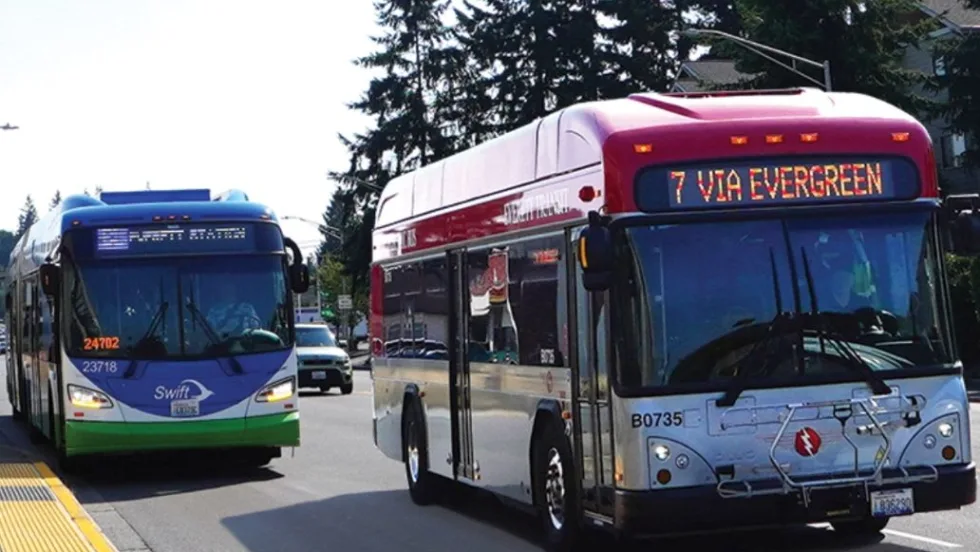
Everett Transit, Community Transit Outline Consolidation Agreement
The proposed agreement calls for a 50% increase in bus service in Everett, a new microtransit zone, continued paratransit service, and the transfer of Everett Transit operations to Community Transit.
Read More →

Strada360’s Steve Lassey on Turning Transit Data Into Better Decisions
From breaking down data silos to preparing for AI, Strada360 CEO Steve Lassey discusses how transit agencies can use technology to improve operations, customer information, and long-term decision-making.
Read More →
People Movement: Phil Washington Joins HNTB, Denver RTD Launches CEO Search, and More
In this edition, we also spotlight recent personnel moves at STV, the Eno Center for Transportation, and more, highlighting the people taking on new roles across the transportation industry.
Read More →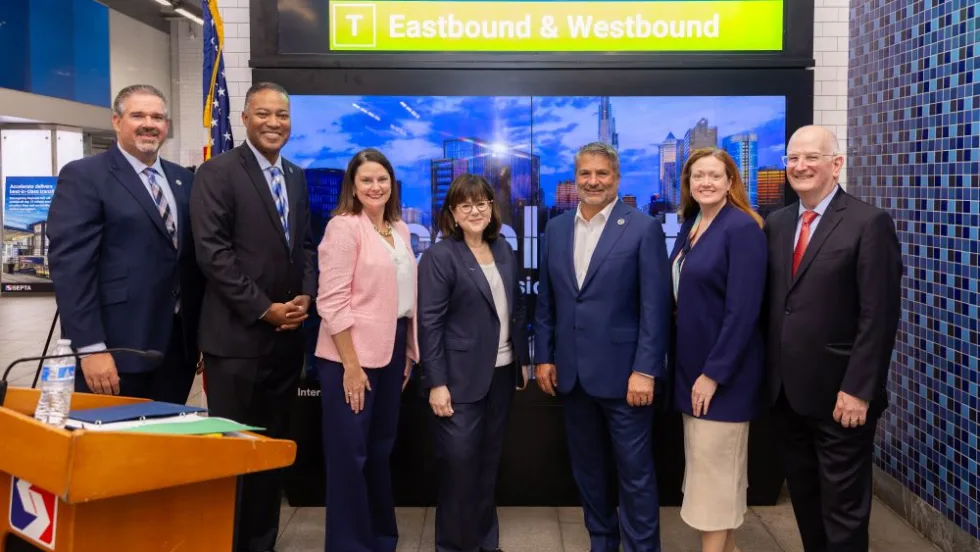
SEPTA Details Accelerate Vision for Transit System
The plan outlines investments in trolley modernization, new Metro and Regional Rail vehicles, accessible stations, and more frequent bus and rail service.
Read More →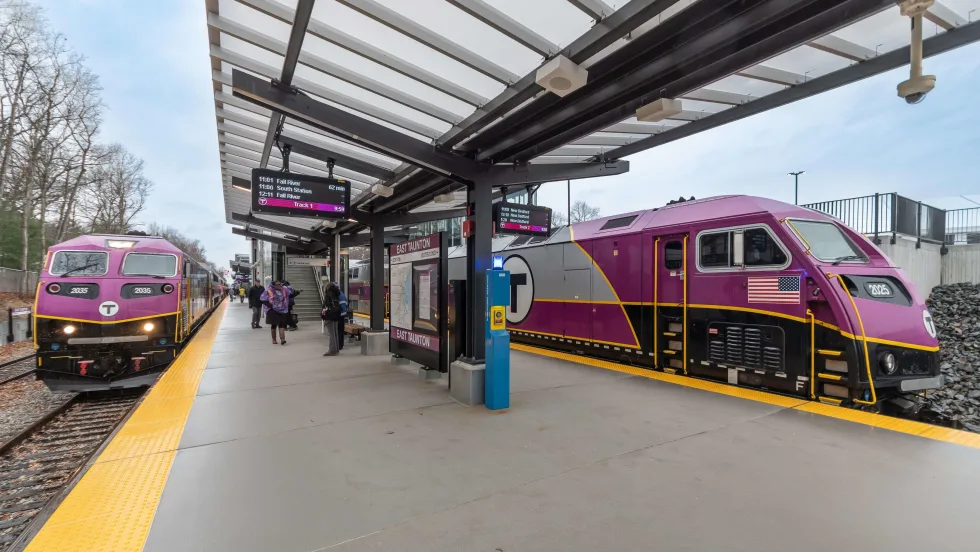
FTA Ends Direct Oversight of MBTA Safety Actions
The federal agency closed its remaining special directive to the Massachusetts Department of Public Utilities following a safety review that began in 2022.
Read More →
Report: Transit Bus Manufacturing Supports 34,100 Jobs, $5.1B in GDP
The “Buses Mean Business” report examines the transit bus manufacturing industry’s economic footprint, supply chain, and rising demand for vehicle replacements.
Read More →
LIT Marks 10-Year Milestone at Annual Summit
Hosted by the COTA from September 10 to 13, the Summit carried the theme “Celebrating 10 Years of Excellence, Leadership, and Impact,” with every part of the program honoring the people, agencies, and partners who built LIT over its first decade.
Read More →
People Movement: Dan Dipert Coaches Adds Third-Generation Leader, Keolis Names New Valley Metro VP/GM, and More
In this edition, we also cover recent appointments and announcements at the Wabtec, SilverRide, HNTB, and more, showcasing the individuals helping to shape the future of transportation.
Read More →