



Bolster Your Security Before the Sirens Blare
Former FBI and CIA agents explain how transit systems should plan, prepare and train to reduce the chances fo a successful terrorist attack. Assessing vulnerability, finding funding and engaging partners are key strategies.
A former heavyweight boxer once said, “Everybody’s got plans … until they get hit.” Successful boxers rely on planning, preparation, endless training and ingenuity to survive and win in the ring. Transit agencies should take the same meticulous approach to protecting our transit systems.
Nothing is impossible. Though protecting a transit system is not simple — especially in the tense aftermath of the 9/11 attacks — transit systems around the world continue to supply expeditious service for millions of passengers each day. However, transit systems do get attacked with surprising regularity. Given the high target value and intrinsic design vulnerabilities of most transit systems, that’s a grim but understandable truth.
Unlike some infrastructure facilities, such as airports or military installations, transit systems have multiple points of uncontrolled ingress and egress — each of which can be exploited by terrorists. After all, a transit system’s purpose is to facilitate the rapid, unconstrained movement of many passengers. Therefore, many of the measures taken to defend airports or other restricted-access facilities simply don’t apply to transit. Because of its unique makeup, a transit system must deploy a unique solution set.
The challenge is daunting. As one terrorist operative succinctly declared, “You have to get lucky every single time; we only have to get lucky once.” And we can’t just count on luck. The buses, trains, light rail vehicles and commuter trains that constitute transit systems must be defended proactively. The question is, how?
Consider the following broader, long-term security strategies:
Long-term strategies
Conduct a systemwide vulnerability assessment (VA). To effectively protect and defend a transit system, you must know its composition, status and operational strengths and weaknesses. You can’t defend what you don’t know.
Whether performed in-house or with outside expertise, a comprehensive VA provides an accurate gauge of a system from a security perspective. A VA also serves as a benchmark for recovery in the event of an attack. While most security departments work quite well, we strongly recommend the use of outside expertise to ensure objectivity. Whether outside expertise is obtained from the private sector or from peer transit agencies, the value of an objective security perspective should not be underestimated.
Develop a security master plan. Using the VA and working closely with in-house security, develop an effective security master plan that integrates all your security assets, deploying technical, physical, and human resources to create layers of security. The layering approach must begin at the outside, on a transit system’s perimeter, and continue throughout the system as it moves inward. And, of course, an essential focus of any security master plan must be the transit system’s people.
Train, exercise and retrain. From preemployment screening and background checks to effective, advanced training, your personnel practices should recognize that transit workers are your most valuable security instrument. Once your people are vetted and trained, test them through recurring multihazard training exercises. Professional athletes and the armed forces train, exercise, and retrain for a very good reason. They want the fundamentals to become automatic. A transit system’s staff should be no different.
Find the funding. Security is not free. But it is an investment that pays great dividends — especially when compared to the cost of a systemwide shutdown. Still, it takes money. So transit systems should leverage their costs, and get creative in the pursuit of government grants and public-private partnerships. You might offer to serve as a beta-tester in return for free use of a manufacturer’s security components. Or, partner with other transit agencies to exploit your combined purchasing power. Simply put, take every opportunity to maximize available funding and optimize your economic position.
Those basic strategic steps will enhance transit system security in the long term. But what can transit systems do today to make their systems safer tomorrow? While there are no panaceas, there are some immediate steps that every transit system should take to strengthen security.
Get started now
Communication. Don’t wait for people to come to you. Do you have a relationship with your community’s first-responders? If you don’t, create one. If you do, cultivate it. Develop working relationships with them. Train with them. Teach your people to work with them. But don’t stop there.
Get your partners. To optimize protection of your system, set up partnerships with local, state, federal, and international public and private-sector organizations involved in the fight against terrorism. Do not let the first call they receive from you be an emergency call. Think about what resources and assets your system will need in the event of an attack. Develop working relationships with those resources. Get involved with the Department of Homeland Security, the Transportation Security Administration (TSA), and the representative Homeland Security offices within each state. The time to act is now, not after the sirens blare.
Don’t go it alone. Contact other transit agencies. Develop mechanisms for sharing best practices. Partner with other agencies to leverage knowledge, strength and size. If you don’t have a peer review process for transit security, start one.
Examine your Website for vulnerabilities. Transit systems must publish some sensitive information, like schedules and station information. However, Websites often contain gratuitous sensitive information, making them a one-stop shop for terrorists. Examine your Website from a terrorist’s perspective. Instead of giving away valuable tactical information, use your site to help fight terrorism.
Create a culture of awareness. Training your people is critical. But train your ridership and the public too. Create a public awareness campaign. In New York City, large posters throughout their system exhort riders to report any suspicious activity: “If you see something, say something.” The posters provide a toll-free number for reporting such activity.
On the other end of the spectrum, train security personnel to accurately gauge threats. Teach them to respond appropriately. This tells transit workers and the public that you take security seriously. But it sends another message as well.
Terrorists are like car thieves. They usually don’t steal the most expensive car; they hunt for the easiest to steal. Terrorists seek out the easiest targets that can cause disruption and loss of life. So harden your system. Use your Website, posters, and leaflets to promote awareness of suspicious activity.
Vary your security patterns. Terrorists rely on our penchant for routine, so make them uncomfortable. Vary the timing and routes of your patrols. If you inspect bags and packages, do it at different parts of the system on different days. Move your security checkpoints around. Avoid patterns and routines. Keep terrorists guessing.
Stay on the cutting edge, but don’t rely on technology alone. We like to solve problems with technology. However, technology alone will not stop a determined terrorist. Cameras don’t differentiate good guys and bad guys; people do. It takes a combination of training, tactics, strategic planning, and technology to effectively defend against terrorism.
More Management

ENC Lands MATA Contract and More in Biz Briefs
In this edition of Biz Briefs, we spotlight the latest developments shaping the future of mobility.
Read More →
From Surviving to Thriving: Building Stronger Transportation Organizations
Bus Business Consultants founder Brian Dickson shares lessons on leadership, organizational health, and creating options for long-term success in a changing transportation industry.
Read More →
Everett Transit, Community Transit Outline Consolidation Agreement
The proposed agreement calls for a 50% increase in bus service in Everett, a new microtransit zone, continued paratransit service, and the transfer of Everett Transit operations to Community Transit.
Read More →

Strada360’s Steve Lassey on Turning Transit Data Into Better Decisions
From breaking down data silos to preparing for AI, Strada360 CEO Steve Lassey discusses how transit agencies can use technology to improve operations, customer information, and long-term decision-making.
Read More →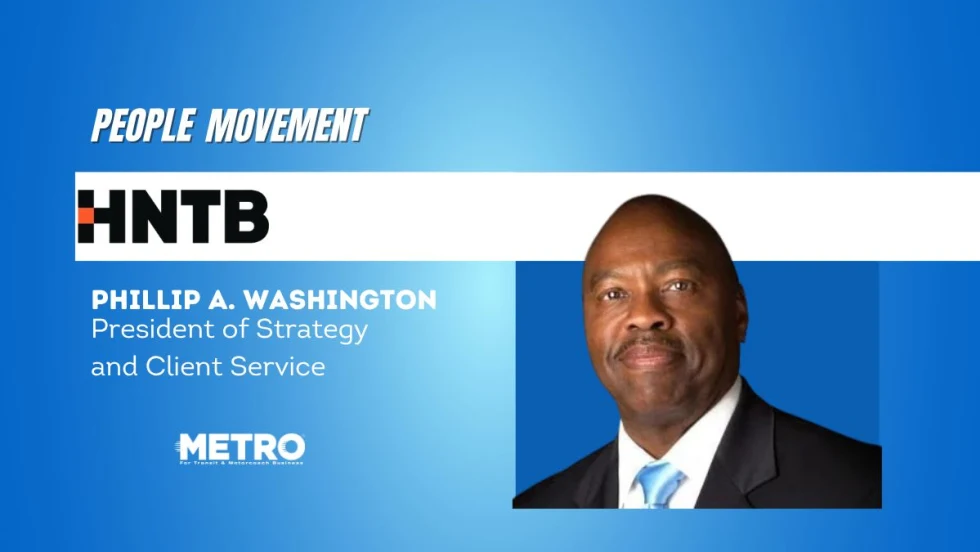
People Movement: Phil Washington Joins HNTB, Denver RTD Launches CEO Search, and More
In this edition, we also spotlight recent personnel moves at STV, the Eno Center for Transportation, and more, highlighting the people taking on new roles across the transportation industry.
Read More →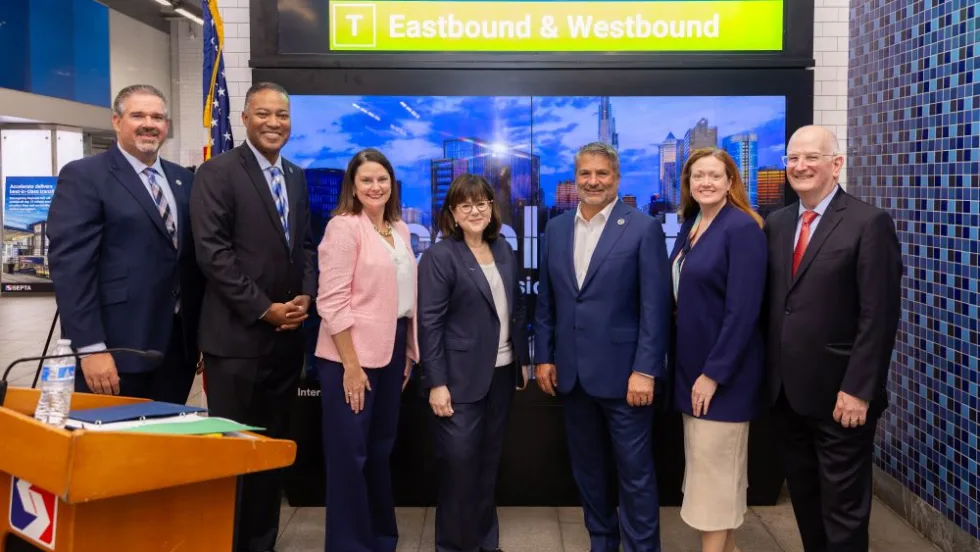
SEPTA Details Accelerate Vision for Transit System
The plan outlines investments in trolley modernization, new Metro and Regional Rail vehicles, accessible stations, and more frequent bus and rail service.
Read More →
FTA Ends Direct Oversight of MBTA Safety Actions
The federal agency closed its remaining special directive to the Massachusetts Department of Public Utilities following a safety review that began in 2022.
Read More →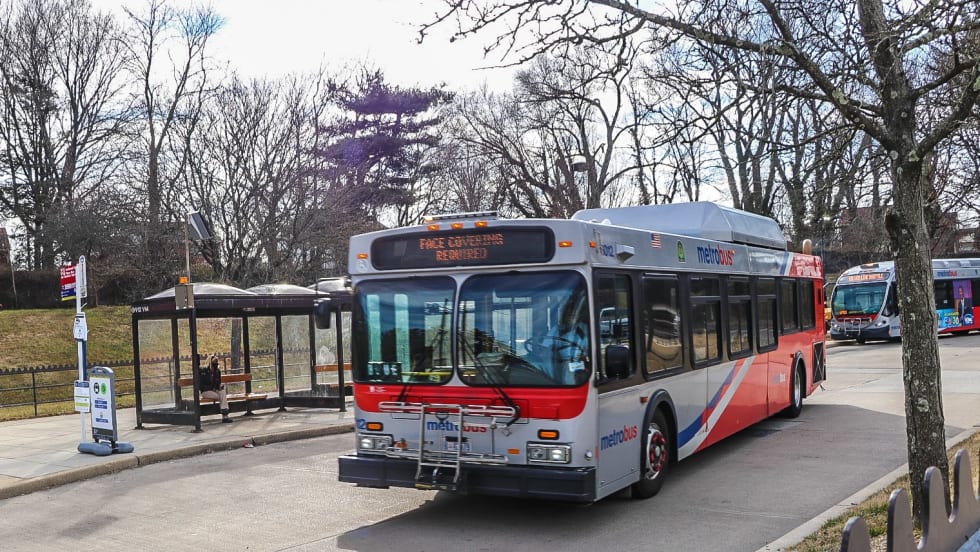
Report: Transit Bus Manufacturing Supports 34,100 Jobs, $5.1B in GDP
The “Buses Mean Business” report examines the transit bus manufacturing industry’s economic footprint, supply chain, and rising demand for vehicle replacements.
Read More →
LIT Marks 10-Year Milestone at Annual Summit
Hosted by the COTA from September 10 to 13, the Summit carried the theme “Celebrating 10 Years of Excellence, Leadership, and Impact,” with every part of the program honoring the people, agencies, and partners who built LIT over its first decade.
Read More →
People Movement: Dan Dipert Coaches Adds Third-Generation Leader, Keolis Names New Valley Metro VP/GM, and More
In this edition, we also cover recent appointments and announcements at the Wabtec, SilverRide, HNTB, and more, showcasing the individuals helping to shape the future of transportation.
Read More →