



Boston Commuter Rail Line Builds Successful Model for Privatization
With a well-conceived partnership framework, constant team collaboration, accountability and commitment to customer service, the Massachusetts Bay Commuter Railroad is setting ridership and performance records.

The history of American passenger rail is one of struggle between private and public ownership, trending back and forth in favor of one side or the other based largely on peripheral factors such as the rise of the automobile, changing political tides and economic cycles. Of late, publicly owned and operated lines, where state and federal governments dictate fortunes, have prevailed, keeping the private sector operating almost exclusively in freight.
But after a number of railways in Europe and Asia recently entered into successful partnerships between public and private entities, this trend has begun to change, and private-sector contractors are once again playing an integral role in the operations, management and maintenance of U.S. commuter rail networks.
No system better reflects this gradual shift in the public-private transportation cycle than the Massachusetts Bay Commuter Railroad (MBCR)
in Boston.
The case study
The MBCR operates 465 trains on 13 lines, carrying nearly 150,000 commuters each weekday and nearly 40 million a year. After years of operating under the auspices of Amtrak, the MBCR entered a new contract agreement in July 2003, whereby a partnership was formed among three companies: Veolia Transportation (formerly Connex North America), Bombardier Transportation and Alternate Concepts Inc. (ACI). Created and overseen by the Massachusetts Bay Transportation Authority (MBTA), this consortium handles operations, management and maintenance of the MBCR.
By any definition, the MBCR currently enjoys a great level of success, both financially and in the eyes of its clientele, the riders. Ridership has experienced steady growth since the signing of the new contract, and on-time performance tied an all-time high in March 2006. Moreover, the system is now undergoing a $25 million overhaul plan called the Coach Reliability and Safety Program to update and refurbish its entire fleet of railcars.
“The industry trend for new start agencies is already toward outsourcing, but large and established agencies are taking note of the approach taken with the MBCR,” says Mike Hardt, vice president of services for Bombardier.
With many believing that the MBCR model is leading a revival in privatization of commuter rail, the question is how does this operation excel where others have failed in the past.
A unique agreement
The MBCR contract is set up so that Veolia is the primary shareholder with a 60% stake in the deal, while Bombardier and ACI each have 20%. Representatives from each of the three partner companies make up the MBCR’s board of directors, which in turn provides direction and resources to a management team.
According to Olivier Brousse, chief executive officer of Veolia and chairman of the board of MBCR, the primary strength of the operation lies in the details of this partnership, where each shareholder’s responsibility is geared to its respective strength. “Bombardier came into this for its extensive experience dealing with rolling stock, ACI came in for its consulting expertise in operating railways and Veolia came in for its experience of operating large commuter systems around the world, particularly those in Melbourne, Australia, and Stockholm, Sweden,” he says.
The three-headed operating consortium enables the MBCR to spread risk among its shareholders, but it also calls for more responsibility from the public-sector agency than is typical of other, similar contracts. “If you look at contracts as they’ve evolved recently, the government and transportation departments have largely taken back and shared responsibility, which is the way it is in Boston,” says Brousse.
Paul Lundberg, general manager of the MBCR management staff, says this teamwork mentality is central to the operation. “Everything is done hand in hand with the MBTA,” he says.
A chain of accountability
/
Sharing skills and responsibilities also involves sharing risks. And as private-sector entities that must renew contracts from time to time, the MBCR consortium is accountable to deliver. Scott Mills, head of Mills & Co., which handles media relations for the MBCR, sums up the situation best.
“As the contractor, you essentially say to the transit authority, ‘We want you to spend money to improve the system and we’ll make sure on our end that we deliver better performance; then together we’ll be able to go back and show our success with increased ridership and customer satisfaction,’” he says. “But if you don’t hit your goals, then that money gets taken away from you. If you are the MBCR, you’re going to be making sure those trains are on time so you don’t get whacked financially.”
The five-year MBCR contract will expire in 2008 and at that time be up for renewal. The transit authority, operating on taxpayer dollars, recognizes that if all is not well at that time, they can find someone new to take over.
“Every morning, our management team and staff go to work with this in mind,” says Brousse. “We want to be a long-term player, and we have to prove we can do a great job in order to be this.”
The MBCR operating model itself serves as an incentive for the contractor to be accountable. With a fixed-price contract to provide pre-specified services, management must decide where each penny goes, and where upgrades and improvements must be made. It is the responsibility of the operator to provide satisfactory service that meets the transit authority’s goals, while remaining on budget.
Where the buck stops
Another important ingredient of the MBCR’s success recipe is transparency. A transparent operation is one in which every expense is accounted for, down to a railcar screw. It is quite common for rail operations to fail in this area, leading riders and the taxpaying public to wonder, “Where does all the money go?” According to Brousse, no one has to ask this about the MBCR.
“Our contract is specifically designed so that we have to provide everything in detail. The MBTA knows how many parts we replace, it knows how many trains we maintain and it knows essentially everything about what we do,” he says.
Furthermore, the MBTA built a certain amount of annual infrastructure investment into the contract. This means that the MBTA, through the MBCR, is continuously upgrading its system with new ties, new grade crossing equipment and new rail. But the agency requires the MBCR’s expertise to make decisions about these upgrades, while logging every cent.
“Each year our workplan looks at where the service can be most quickly improved and that’s where we focus the annual upgrades,” says Lundberg. “This works out as a win-win-win. The owner gets targeted upgrades, we see our performance improving and the customer gets faster, more reliable service. That is a model that any region could benefit from.”
Happy riders, happy workers
The MBCR’s performance ultimately depends on how plans are carried out. Specifically, the perceptions of its riders and the treatment of its employees take precedence on the list of priorities.
As it happens, customer service is highly valued in Boston. The MBCR conducts regular customer surveys, registers passenger complaints and addresses every one, frequently upgrades passenger information resources and has made wholesale changes to infrastructure and amenities recently.
The end result has been happier riders. “It sounds simple, but providing an overall customer experience in public transportation industry is a bit of a revolution,” says Brousse.
An additional success has been the MBCR’s protection of labor rights that have developed over the past 80 years. The operation has addressed this by allowing for efficiencies to be developed by the contractor.
“We have a strong relationship with our unions,” says Lundberg. “We work with labor to establish safety priorities, manage staffing levels and find ways we can improve service.”
Examples of improvements include a new dedicated rest facility for female conductors, as well as the installation of employee safety systems in maintenance shops.
More Management
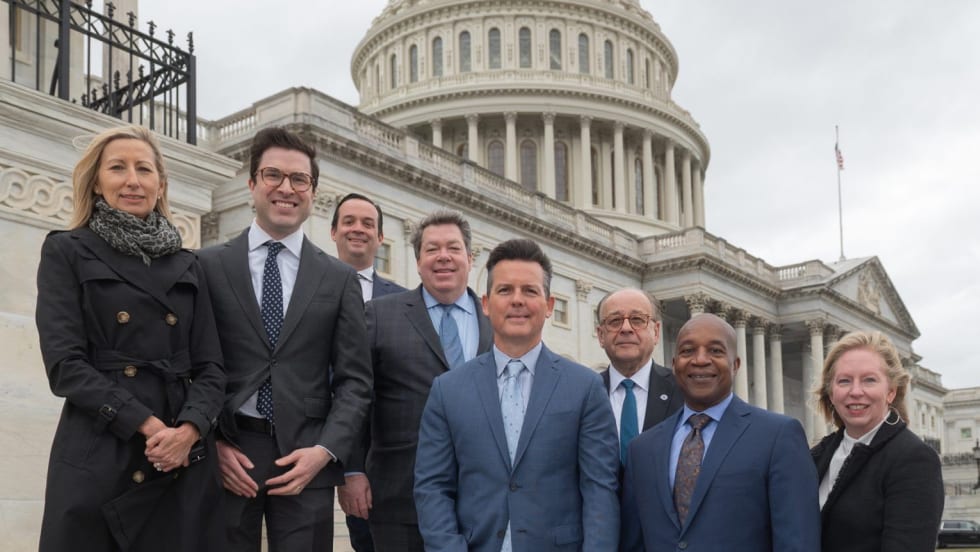
The Business Voice Behind Public Transportation
As chair of APTA’s Business Members Board of Governors, Ray Melleady explains how more than 850 business members are partnering with transit agencies to advance funding, innovation, and industry-wide collaboration.
Read More →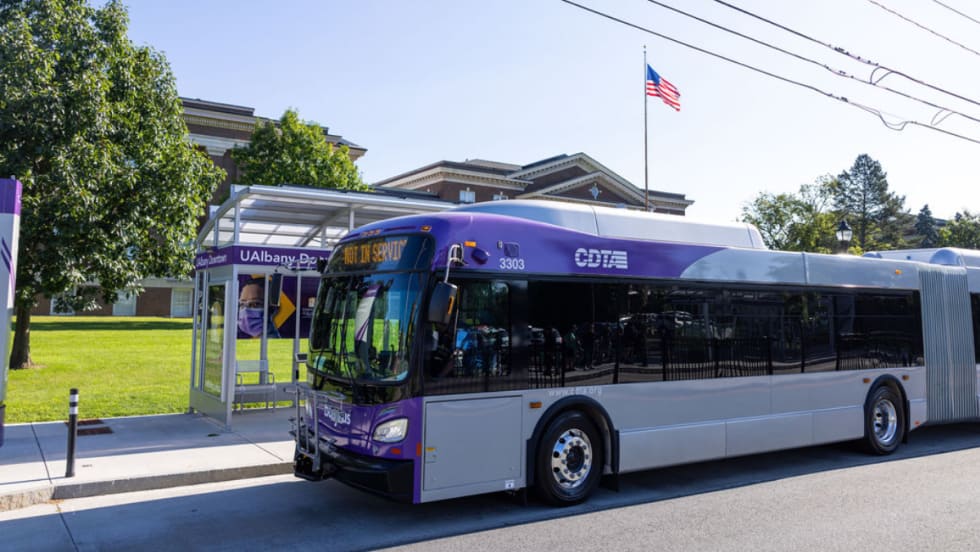
New York’s CDTA Service Rebalancing Boosts Productivity, On-Time Performance
Despite a slight dip in ridership, the agency’s FY2026 results show its service rebalancing strategy is helping the agency carry more riders per service hour while improving reliability.
Read More →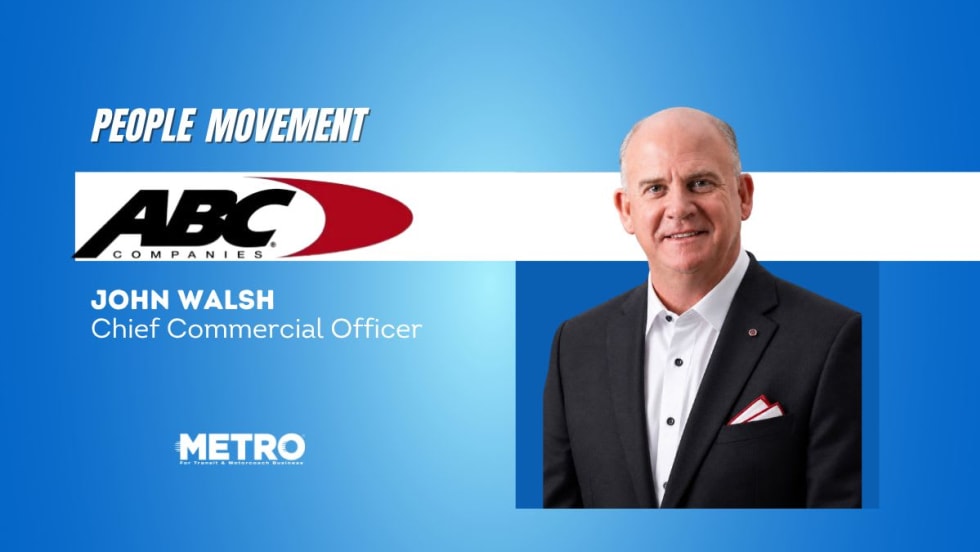
People Movement: ABC Names John Walsh as Chief Commercial Officer
In this edition, METRO also covers recent appointments and announcements at the DART, STV, and more, showcasing the individuals helping to shape the future of transportation.
Read More →
From Surviving to Thriving: Building Stronger Transportation Organizations
Bus Business Consultants founder Brian Dickson shares lessons on leadership, organizational health, and creating options for long-term success in a changing transportation industry.
Read More →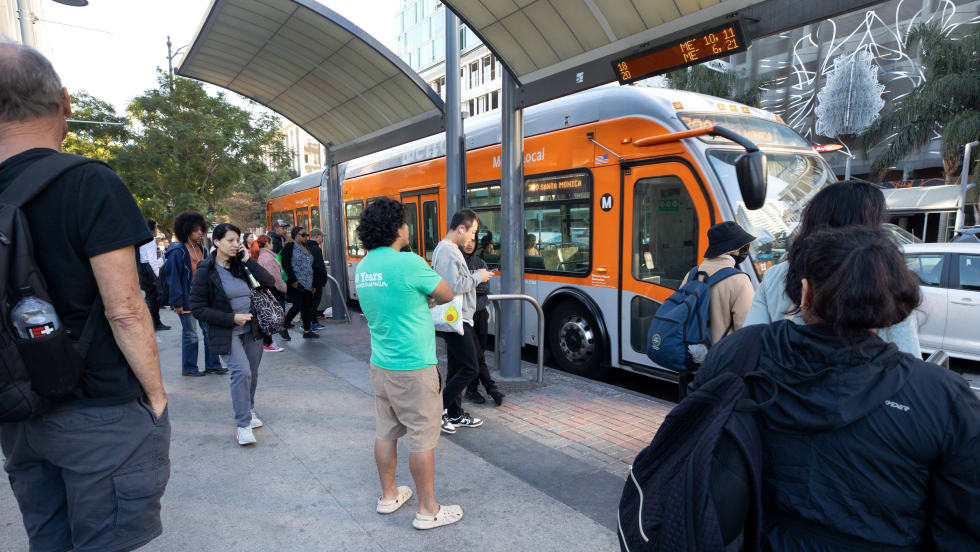
LA Metro Ridership Continues Growth as Rail Gains Accelerate
New rail connections and major events help drive continued ridership gains, with Metro recording its eighth consecutive month of year-over-year rail growth.
Read More →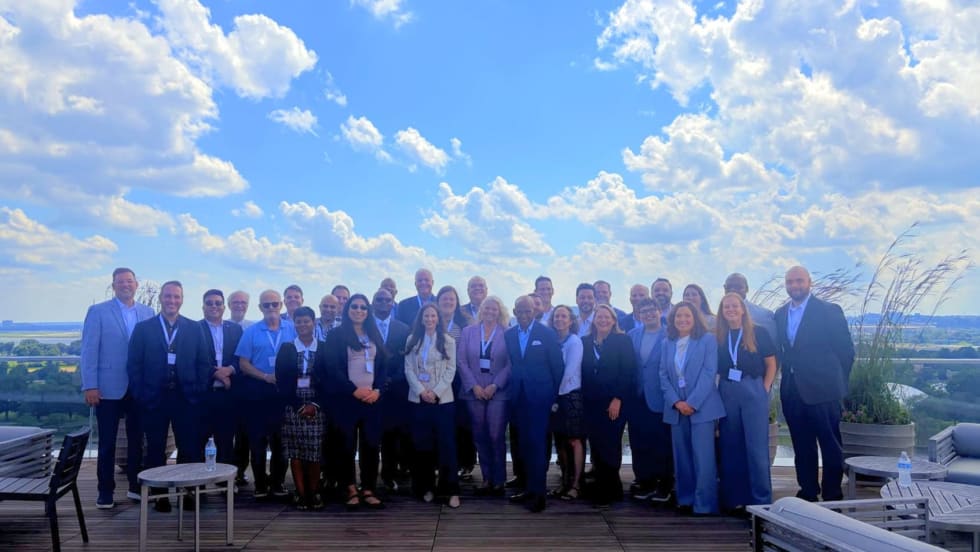
TransDASH Summit Focuses on Measuring What Matters in Transit
Transit agencies unveil a national performance platform designed to benchmark customer experience, safety, community value, and other outcomes.
Read More →
Jacksonville’s NAVI Project Charts a New Course for Autonomous Public Transportation
Through its NAVI program, JTA is showing how autonomous vehicles, intelligent infrastructure, and coordinated operations can work together to deliver everyday public transportation.
Read More →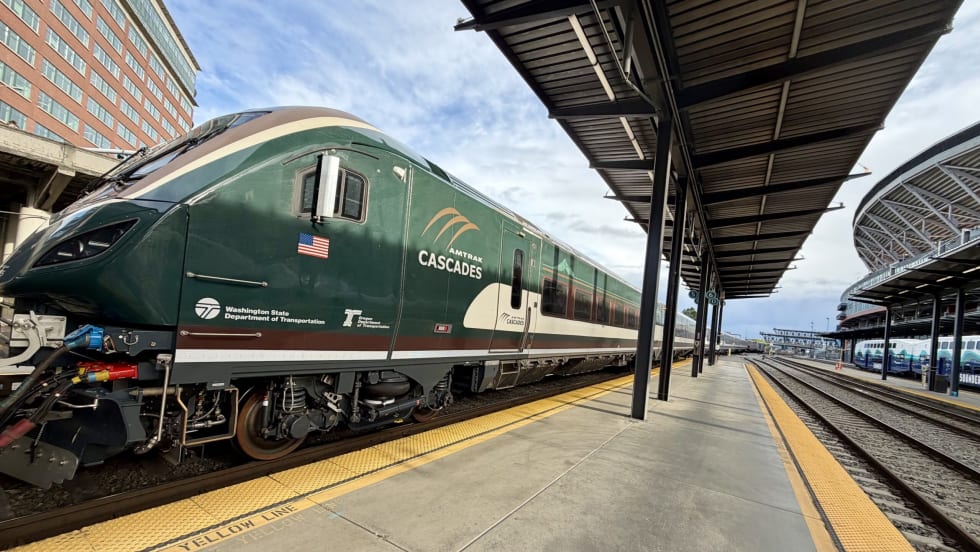
FRA Announces $5.3B in Rail Investments, Including $2B for Amtrak
Funding will support grade-crossing improvements, infrastructure upgrades, and new Amtrak equipment in 23 states.
Read More →
Finding the ‘Happy Medium’: Optimizing Maintenance Without Sacrificing Reliability
The key to maintenance optimization isn’t doing less work—it’s doing the right work at the right time on the right assets.
Read More →
People Movement: MARTA Drops Interim Tag on GM/CEO Hunt and More
In this edition, METRO covers recent appointments and announcements at the FMCSA, HDR, SilverRide, and more, showcasing the individuals helping to shape the future of transportation.
Read More →