



BRT more cost-efficient than LRT, says GAO study
Bus rapid transit can work in concert with existing public transportation at a considerable savings over the cost of installing light rail transit, said the study.

Bus rapid transit (BRT) can work in concert with existing public transportation at a considerable savings over the cost of installing light rail transit (LRT), said a study done by the U.S. General Accounting Office (GAO). “This study shows that BRT can work in concert with existing light rail lines and allow an immediate reduction in the traffic and congestion that has gripped our communities,” said U.S. Representative Tom Tancredo (R-CO) when unveiling the results. “Most importantly, BRT can accomplish this at a fraction of the cost of light rail.” In the cities the GAO reviewed, BRT systems generally had lower capital costs per mile than LRT, though neither had a clear advantage in operating costs. Capital costs for BRT ranged from $200,000 per mile for an arterial street-based system to $55 million per mile for a dedicated busway system. LRT systems had capital costs that ranged from $12.4 million to $118.8 million per mile. The study reported that both BRT and LRT offer various advantages and disadvantages. BRT provides a more flexible approach than LRT because buses can be routed to eliminate transfers, implemented in stages and operated on busways, HOV lanes and city arterial streets. As a result of the poor public image that buses have, transit planners are designing systems that offer improved service from standard bus service, including signal prioritization and better stations or shelters. Transit officials believed that because LRT is permanent in a given corridor it could influence economic development over time, the study said. Such long-term changes help justify the higher capital cost of light rail. The performance characteristics of BRT and LRT also varied, with the largest BRT system ridership about equal to the largest LRT ridership. BRT routes showed gener-ally higher operating speeds than light rail in the reviewed cities. For the full report, go to
More Management

Bus Tech Talk: Keeping Transit Technicians Ahead of the Technology Curve
In this episode of Bus Tech Talk, Complete Coach Works’ Business Development Manager Mark Hollenbeck and METRO’s Executive Editor Alex Roman sit down with Obed Mejia, Senior Technical Trainer for Bus Maintenance, at LA Metro to discuss how rapidly evolving bus technology is changing the maintenance shop — and the skills technicians need to keep pace.
Read More →
Michael Schneider Joins Paslay Group to Expand Transportation Practice
The longtime transportation executive will help Paslay Group grow its advisory and program management work across transit, highway, and other infrastructure sectors.
Read More →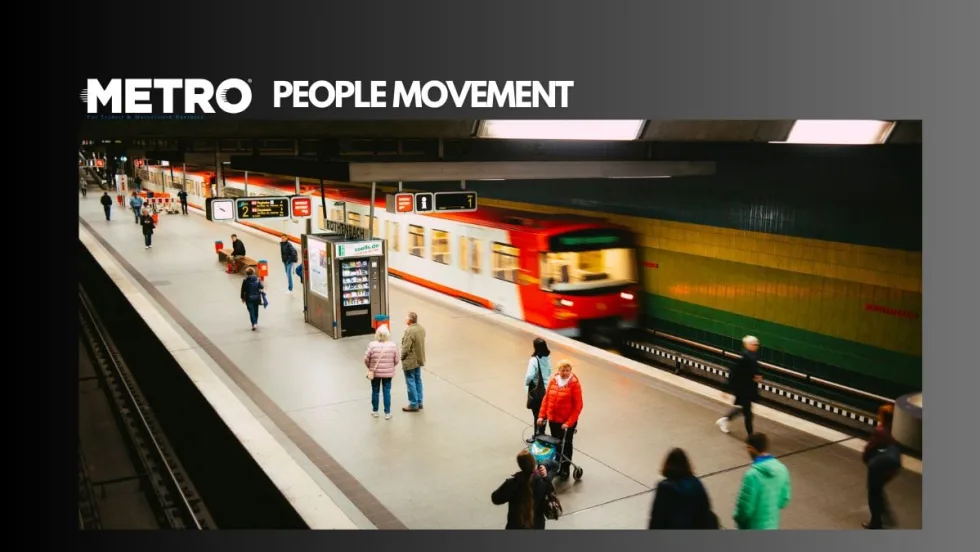
People Movement: Connectpoint Expands Leadership Team, Stadler Names New Group CEO, and More
In this edition, we also spotlight recent personnel moves at Burns, UZURV, and more, highlighting the people taking on new roles across the transportation industry.
Read More →
More Than a Summer Job: Building the Next Generation of Transit Talent
The Delaware River Port Authority and PATCO have transformed their internship program into a hands-on professional development experience that introduces students to the breadth of transportation careers — and creates a pipeline for future employees.
Read More →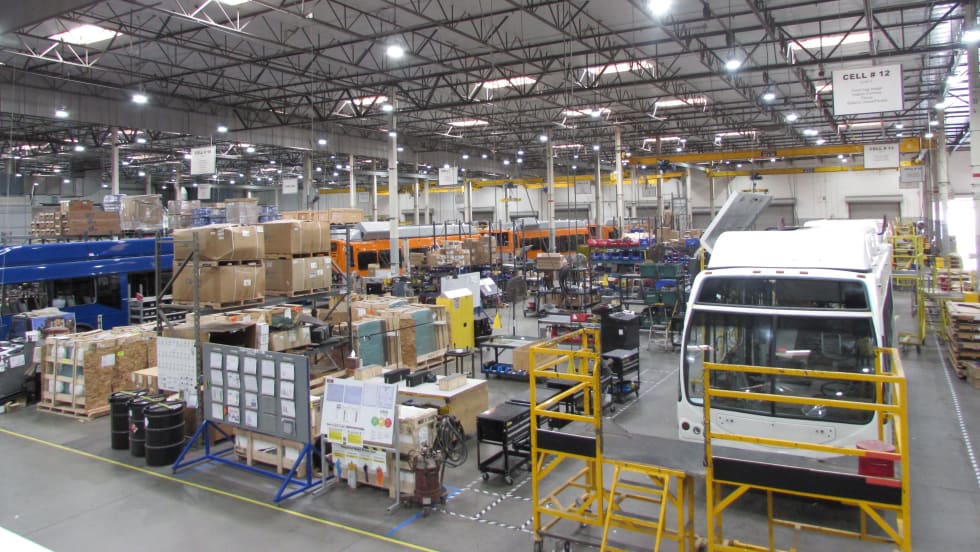
LA Metro Board Awards 220 Battery-Electric Bus Contract to ENC
The contract, which is the largest base award of battery-electric buses by a U.S. transit agency, will be built in Southern California, sustaining good jobs as LA prepares to welcome the world in 2028
Read More →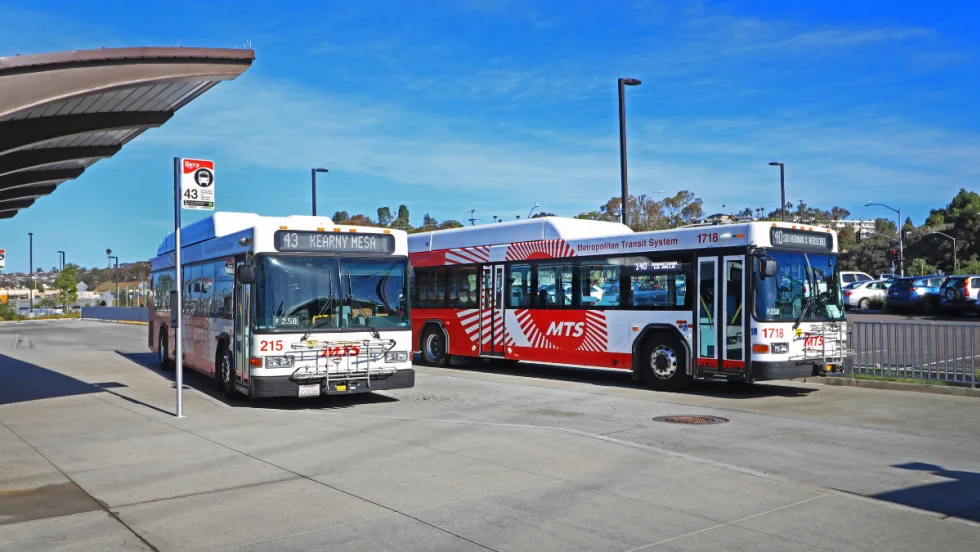
What’s Behind San Diego MTS’s Award-Winning Transit Strategy
Named one of APTA’s 2026 Outstanding Public Transportation Systems with 50 million or more annual passenger trips, California’s San Diego Metropolitan Transit System points to gains in ridership, safety, technology, and reliability as foundations of its success.
Read More →
Public Transit Conference Returning to GFX in 2027, Call for Papers Now Open
The Call for Papers is now open, allowing transit agency professionals and industry experts to help shape the PTC educational program by submitting session ideas for consideration.
Read More →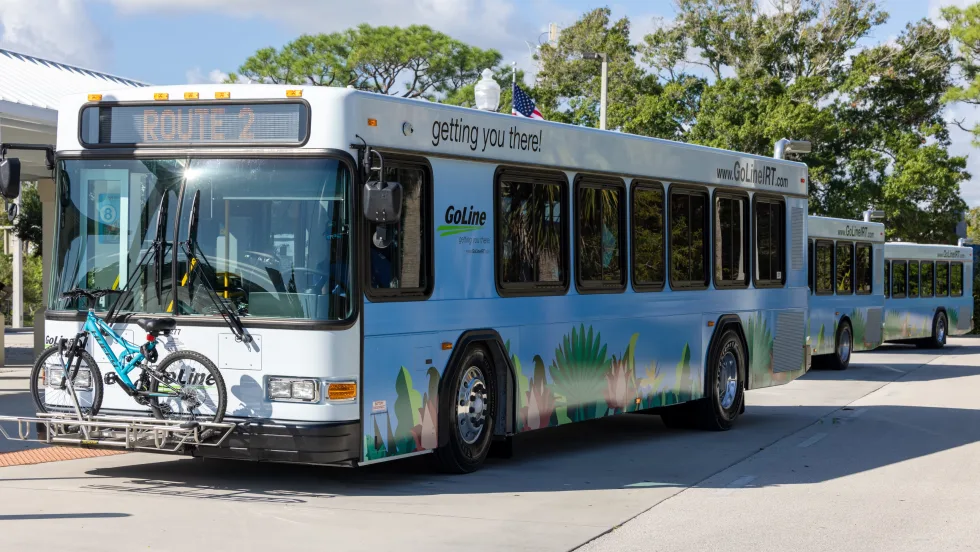
Indian River Transit’s Community-Focused Approach Earns National Recognition
Named APTA’s 2026 Outstanding Public Transportation System in its size category, Florida’s Indian River County transit system continues to grow ridership through fare-free service and a focus on evolving community needs.
Read More →
ENC Lands MATA Contract and More in Biz Briefs
In this edition of Biz Briefs, we spotlight the latest developments shaping the future of mobility.
Read More →From Surviving to Thriving: Building Stronger Transportation Organizations
Bus Business Consultants founder Brian Dickson shares lessons on leadership, organizational health, and creating options for long-term success in a changing transportation industry.
Read More →