



The Hidden Cost of Fuel Data Inaccuracy in Public Transit Fleets
In today's transit environment, accurate fuel and mileage data are critical to reducing costs, minimizing downtime, and improving fleet performance.

Accurate fuel and mileage data play a critical role in preventive maintenance, fleet planning and operational decision-making for transit agencies.
S & A Systems Inc.
- Accurate fuel and mileage data are essential for cost reduction in public transit fleets.
- Mistakes in fuel data can lead to increased downtime, affecting transit operational efficiency.
- Fleet performance is closely tied to the precision of fuel and mileage tracking.
*Summarized by AI
Public transit agencies today operate in an environment where every gallon, or equivalent, of fuel, every maintenance interval, and every minute of vehicle uptime matters. Fleet and maintenance managers are under constant pressure to improve operational efficiency, reduce costs, maintain regulatory compliance, and provide reliable service to the public, all while managing aging infrastructure, staffing challenges, and evolving technology requirements.
Yet, one of the most overlooked operational risks in public transportation is inaccurate or incomplete fleet fuel and mileage data.
For many agencies, fuel transaction data and vehicle mileage information drive critical operational decisions.
Preventive maintenance schedules, fuel economy reporting, warranty tracking, component lifecycle management, and budgeting often depend on the assumption that the underlying data is accurate. When that assumption is wrong, the operational consequences can quietly compound across the entire fleet.
The Ripple Effect of Inaccurate Mileage Data
In many transit environments, mileage data is captured through a combination of manual entry, legacy onboard equipment, fueling system integration, or vehicle communication modules. Even small inconsistencies in this process can create significant downstream impacts.
An inaccurate odometer reading may not appear critical on a single bus, but multiplied across dozens or hundreds of vehicles, the consequences become substantial.
Preventive maintenance intervals may be delayed or triggered too early. Oil changes, inspections, filter replacements, tire rotations, and drivetrain service schedules can drift away from actual vehicle usage. Over time, this can lead to increased road calls, accelerated component wear, unnecessary maintenance expenses, and reduced vehicle availability.
For agencies operating large fleets, even a small percentage of inaccurate mileage reporting can distort fleet-wide maintenance forecasting and long-term lifecycle planning. For agencies with smaller fleets, these types of inaccuracies can have an even greater impact.
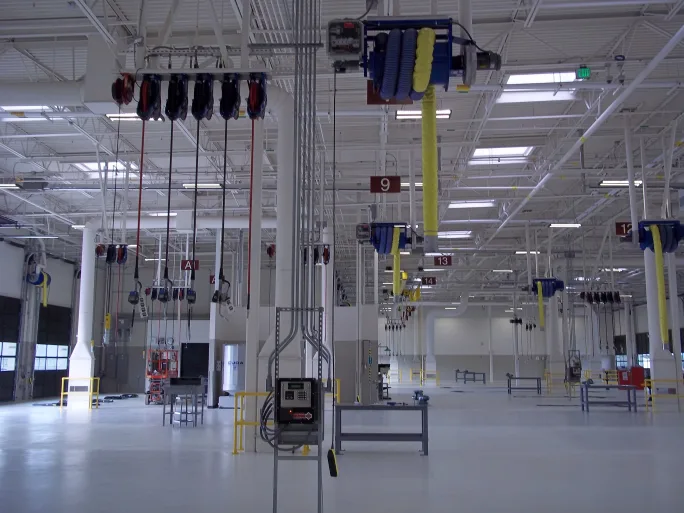
As transit fleets become more connected, agencies are increasingly relying on integrated systems to improve data accuracy, reduce manual processes and enhance operational visibility.
S & A Systems Inc.,
Fuel Economy Data Can Be Misleading
Fuel economy metrics are often used to evaluate vehicle performance, identify underperforming assets, and justify operational decisions.
However, fuel economy calculations are only as reliable as the mileage and fueling data supporting them.
When mileage is estimated rather than accurately captured, MPG and/or equivalent calculations may become unreliable. This can mask mechanical problems that would otherwise be identified early.
For example, excessive idle time, injector issues, or drivetrain inefficiencies may go unnoticed if the underlying data lacks precision. Agencies may unintentionally continue operating vehicles with declining efficiency because the reporting system fails to reflect actual operating conditions.
Inaccurate fuel data can also complicate NTD and sustainability reporting, emissions-reduction initiatives, and alternative-fuel performance analysis.
Manual Processes Increase Operational Risk
Many transit agencies still rely on partial manual workflows for fuel reconciliation, mileage correction, or service verification. While these processes may have worked effectively for years, they often become increasingly difficult to sustain as fleets grow more complex.
Manual data entry introduces opportunities for human error, inconsistent reporting, and delayed visibility into key operational metrics.
In some cases, agencies may not discover data discrepancies until maintenance exceptions or fuel reconciliation issues appear weeks later.
The challenge becomes even greater in mixed fleets operating across multiple depots, fueling locations, or vehicle platforms.
As staffing shortages continue to affect transit operations nationwide, agencies are increasingly evaluating ways to reduce reliance on manual processes and improve automated data validation.
Downtime Has a Hidden Financial Cost
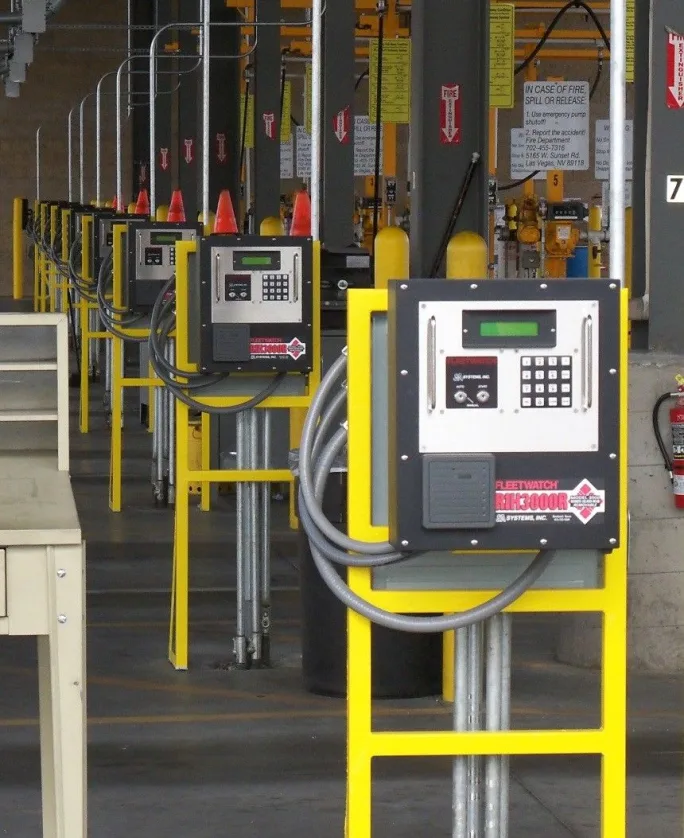
Inaccurate fuel and mileage data can contribute to higher maintenance costs, increased vehicle downtime and reduced service reliability across transit operations.
S & A Systems Inc.,
The cost of inaccurate data is not limited to fuel usage or maintenance intervals. Vehicle downtime creates ripple effects throughout transit operations.
Unexpected breakdowns increase road calls, disrupt schedules, affect operator availability, and reduce service reliability for passengers. In some environments, agencies may be forced to hold additional spare vehicles in reserve to compensate for unpredictable availability.
These hidden operational costs often exceed the direct cost of the maintenance event itself.
Transit agencies have spent years optimizing fuel purchasing, maintenance procedures, and labor allocation. However, the effectiveness of those efforts depends heavily on the quality of the operational data feeding those systems.
The Growing Importance of Data Integration
Modern fleet operations increasingly rely on integration between fueling systems, onboard vehicle technology, maintenance software, and enterprise reporting platforms.
Transit agencies are moving toward environments in which functions such as fuel transactions, mileage capture, engine hours, fault codes, tank monitoring systems, and maintenance records operate within a connected ecosystem rather than in isolated systems.
This shift allows agencies to improve visibility into operational performance, reduce manual reconciliation tasks, and enhance data consistency across departments.
Integrated systems can also help agencies identify anomalies faster, improve audit readiness, and support more informed operational planning.
Preparing for the Future of Fleet Operations
As transit agencies modernize their infrastructure, data accuracy is becoming less of a convenience and more of an operational requirement.
The increasing complexity of fleet technology, cybersecurity expectations, regulatory reporting requirements, and enterprise integration demands are pushing agencies to reevaluate older operational workflows that rely heavily on manual intervention or fragmented data systems.
Accurate operational data enables agencies to make better decisions regarding maintenance strategy, fuel management, vehicle replacement planning, staffing, and service reliability.
For transit leaders, the question is no longer whether fleet data matters. The question is whether the organization has sufficient visibility into and confidence in the data that drive operational decisions every day.
In modern transit operations, inaccurate data does not remain isolated for long. Eventually, it appears in maintenance costs, fuel budgets, missed service intervals, reduced reliability, and ultimately, the passenger experience itself.
As agencies continue investing in modernization initiatives, ensuring the accuracy, consistency, and usability of operational fleet data may prove to be one of the most important long-term investments they make.
About the Author: Glen Henderson is an Account Manager with S & A Systems Inc., the developer of the FLEETWATCH® fleet and fuel management platform specifically designed for the public transit industry.
Quick Answers
Accurate fuel and mileage data is crucial for public transit fleets because it helps in reducing operational costs, minimizing vehicle downtime, and enhancing overall fleet performance.
*Summarized by AI
More Management

METRO Opens Submissions for 2026 Motorcoach Awards
Nominations are now being accepted for METRO Magazine’s Operator of the Year and Innovative Operator of the Year awards.
Read More →
New York MTA Advances Final Contract for Second Avenue Subway Expansion
Contract Four is the largest in the Second Avenue Subway Phase 2 project and includes construction of station infrastructure, tracks, and signals for the subway expansion, MTA officials said. Work on Contract Four will begin in 2027.
Read More →
Transit Agencies Highlight Safety Gains at National Summit
Leaders from 15 major transit systems shared crime-reduction results and safety initiatives while discussing the role of continued federal support.
Read More →

NITA Names New Leadership, Expands Reduced-Fare Program at First Board Meeting
The new regional transit authority appointed its first board chair and interim executive director while extending reduced fares across CTA, Metra, and Pace for eligible riders.
Read More →
Beyond the Checklist: A Structured Approach to Transit Maintenance
Reliability-Centered Maintenance helps transit agencies move beyond routine checklists to focus limited resources on the assets and failures that have the greatest impact on safety, reliability, and service.
Read More →
APTA 2026 Nominating Committee Selects Leadership Slate, Names Chair and Vice Chair Nominees
Leadership changes will help shape the association’s priorities and its representation of the transportation industry during the 2026–2027 term.
Read More →
DART Launches Major Security, Fare Enforcement Initiative
The 90-day demonstration will deploy coordinated security teams at five light rail stations while testing controlled access and gathering data to guide future investments.
Read More →
Advancing Fare Collection Through Technology and Innovation
Learn about delivering 1300 gates at 91 stations while managing fare evasion. Explore the large scale deployment, solution customization and real-world results that affect the region. Prepare for deployment in your region now.
Read More →
Game Day in Motion: Moving Millions During the 2026 World Cup
Between packed transit stations and team motorcoaches, see how agencies and operators across North America tackled the transportation demands of the 2026 FIFA World Cup.
Read More →
Surface Transportation Extension Averts Shutdown, Leaves Transit Funding Gap
The stopgap keeps federal transportation programs moving, but missing advance funding could complicate the transit and rail projects agencies are planning next.
Read More →