



Caught in a squeeze, you should take a deep breath
For the public transportation industry, challenges are filing in from all directions.
I’m used to rugged winters in the Northeast, but I have to admit that this season’s storms are starting to get on my nerves. It’s not that I expect shirtsleeve golf weather in early March (when this column was written). It’s just that I’m getting real tired of shoveling snow, driving through snow and even looking at snow. But snow is just one more obstacle in a life filled with obstacles. I’m sure you’ve got your own obstacles, no matter where you live and how much snow has piled up on your sidewalks and streets. For the public transportation industry, challenges are filing in from all directions. Spiraling fuel prices are the latest blip on your radar screen. As if you didn’t have enough problems with funding shortfalls, you’ve now got to factor in higher-than-anticipated fuel prices. Which brings to mind a question: How much more can you sharpen your red pencil? Budget cutting has become an exercise in frustration at some transit properties. Only so much can be cut from service levels before the public starts hammering at the door. Tied to service cuts, layoffs are another dreaded option that general managers and other executives need to consider in these tough economic times. It’s never easy, is it? How do you keep score? With all this in mind, how do you keep track of your ability to deliver the requisite services to your customers? Do you start looking at the volume of customer complaints? Or do you watch for changes in ridership? Or do you look at load factors and per-passenger-mile costs? I’m curious because public transportation is such an essential element in so many people’s lives that it would be a shame to hinder their ability to get to work or the doctor or wherever else they need to go. When push comes to shove, it’s the transit-dependent customers who need our attention, especially in a weak economy. Having said that, we also need to take advantage of opportunities to attract choice riders. The earlier-mentioned spiraling fuel prices are a good example of an opportunity to build ridership. When gasoline prices begin to eclipse the $2-a-gallon mark, many motorists will begin to seriously consider public transportation. What a great time to lure these people out of their cars! As Associate Editor Janna Starcic mentions in her feature story "How to Fill Those Empty Seats," transit agencies need to be resourceful in attracting new customers and retaining existing passengers. When you have the chance to bring some fresh faces on the bus or railcar, make sure their experience is a pleasant one. Drivers and conductors should be reminded that new customers are often intimidated because they’re not familiar with fare media, transfers and route directions. These people need to be favored with a smile and all the information they can handle. Watch your retention rates The same holds for your existing passenger base. With farebox recovery already depressed because of reduced ridership, you can’t afford to alienate your veteran riders. They need to be treated with respect and courtesy. They already know your fare structure. Any changes in fares (read: increases) need to be carefully explained, and drivers should be fully informed before they attempt this delicate task. Finally, just because you may be clobbered with budget cuts, don’t stop looking for opportunities to expand your service — with due diligence, of course. Corridors that didn’t require service two years ago may be ripe for a route today. Keep your eye on a distant target; the things you do today and tomorrow will affect your agency’s long-term future. Let me know what you think. Email me at info@metro-magazine.com.
More Management
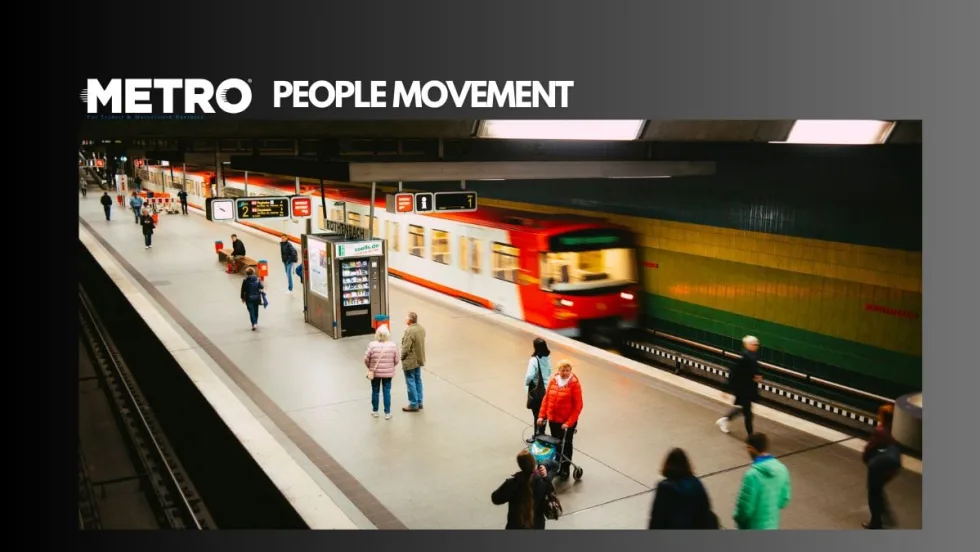
People Movement: Connectpoint Expands Leadership Team, Stadler Names New Group CEO, and More
In this edition, we also spotlight recent personnel moves at Burns, UZURV, and more, highlighting the people taking on new roles across the transportation industry.
Read More →
More Than a Summer Job: Building the Next Generation of Transit Talent
The Delaware River Port Authority and PATCO have transformed their internship program into a hands-on professional development experience that introduces students to the breadth of transportation careers — and creates a pipeline for future employees.
Read More →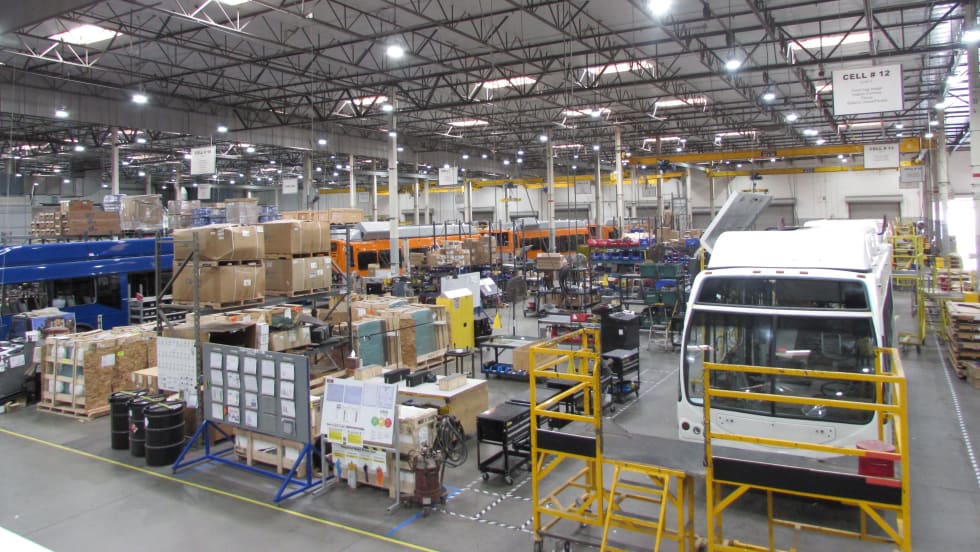
LA Metro Board Awards 220 Battery-Electric Bus Contract to ENC
The contract, which is the largest base award of battery-electric buses by a U.S. transit agency, will be built in Southern California, sustaining good jobs as LA prepares to welcome the world in 2028
Read More →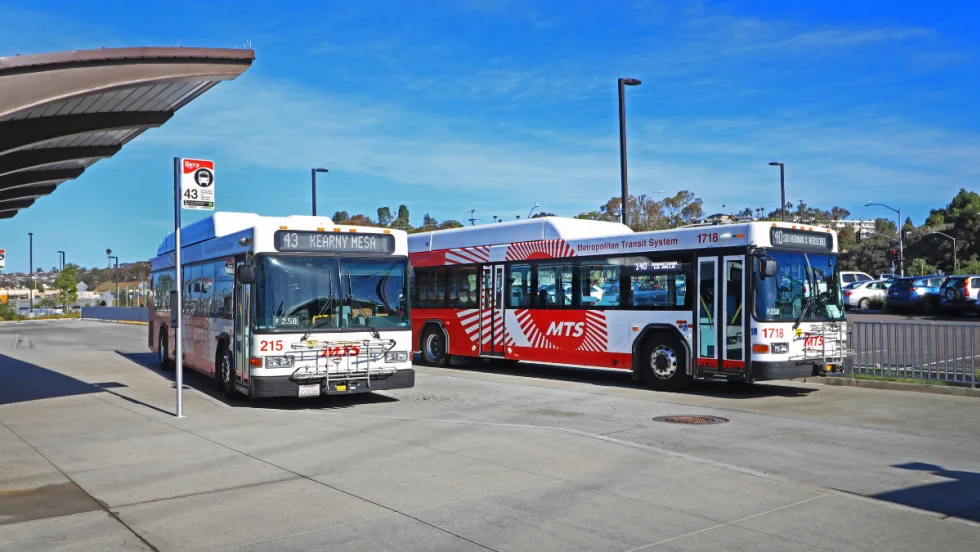
What’s Behind San Diego MTS’s Award-Winning Transit Strategy
Named one of APTA’s 2026 Outstanding Public Transportation Systems with 50 million or more annual passenger trips, California’s San Diego Metropolitan Transit System points to gains in ridership, safety, technology, and reliability as foundations of its success.
Read More →
Public Transit Conference Returning to GFX in 2027, Call for Papers Now Open
The Call for Papers is now open, allowing transit agency professionals and industry experts to help shape the PTC educational program by submitting session ideas for consideration.
Read More →
Indian River Transit’s Community-Focused Approach Earns National Recognition
Named APTA’s 2026 Outstanding Public Transportation System in its size category, Florida’s Indian River County transit system continues to grow ridership through fare-free service and a focus on evolving community needs.
Read More →
ENC Lands MATA Contract and More in Biz Briefs
In this edition of Biz Briefs, we spotlight the latest developments shaping the future of mobility.
Read More →
From Surviving to Thriving: Building Stronger Transportation Organizations
Bus Business Consultants founder Brian Dickson shares lessons on leadership, organizational health, and creating options for long-term success in a changing transportation industry.
Read More →
Everett Transit, Community Transit Outline Consolidation Agreement
The proposed agreement calls for a 50% increase in bus service in Everett, a new microtransit zone, continued paratransit service, and the transfer of Everett Transit operations to Community Transit.
Read More →
Strada360’s Steve Lassey on Turning Transit Data Into Better Decisions
From breaking down data silos to preparing for AI, Strada360 CEO Steve Lassey discusses how transit agencies can use technology to improve operations, customer information, and long-term decision-making.
Read More →