



Cell phone bus tracking applications developed
A new cell-phone based system enables transit agencies, such as King County Metro, to enable riders to track the status of their bus in real-time.
Two new services enabling transit agencies to supply riders with quick access to bus arrival information by cell phone are becoming available.
OneBusAway, created by University of Washington (UW) graduate students Brian Ferris and Kari Watkins, is a new tool that lets King County Metro Transit (Metro) riders to keep track of their bus.
Ferris and Watkins based OneBusAway on MyBus, a tracking technology developed in the 1990s, by Dr. Daniel Dailey, a professor in the UW electrical engineering department.
Ferris and Watkins built onto MyBus by creating a Web page for users to get bus stop information and an e-mail address that they can access to get real-time information. “[The information] was not really useable when you were standing at the stop wondering when your bus is going to come,” Ferris noted.
To use the service, a rider calls from a cell phone and punches in a stop number. A message then plays the real-time arrival data for the buses approaching that stop.
Ferris and Watkins began the project last June and worked for about a month-and-a-half to get the initial site launched. Since then, Ferris devotes a couple hours a week to site maintenance.
The system runs on two components: real-time tracking data that Ferris gets from a feed and the underlying transit database, which he uses to add time tables and route maps. He received special permission from Metro to use a copy of their transit database. “It’s kind of similar in spirit to a lot of transit agencies that are already starting to publish GPS feeds,” said Ferris. “A lot of them are realizing that people like me, and [many] other motivated individuals, can do some really interesting things with them, and it’s money that they don’t have to spend, but still get results to the transit users.”
The site has evolved organically, with more features offered, based on user feedback. Utilizing the open source software, anyone can submit bug fixes, code patches and feature requests, such as seeing multiple stops or two routes at once, and the team works to implement them.
Ferris is currently applying for a Transportation Research Board (TRB) idea grant to pay for further development. “TriMet and the Chicago Transit Authority (CTA) have great Websites and tools for their users, but not every transit agency has those resources. Our goal is to give it away as cheaply as possible to anybody who will use it,” said Ferris.
With OneBusAway, any agency will be able to simply plug in their data and immediately get a Website that provides a trip planner, real-time arrival data, service alerts and commute tools that answer questions, including “If I work downtown, what neighborhoods can I get to in 30 minutes by bus for my morning and evening commute?”
Ferris says that his work on the service came out of his own need to make riding public transit easier. “I don’t own a car, I ride the buses all the time, so…it’s kind of self-motivated, but at the same time…people really react positively.”
Meanwhile, Port Authority of Allegheny County (Pa.) bus riders can now use Route Shout, a system similar to OneBusAway.
Bus riders are able to text the bus and the stop code listed on a sign at the stop to find out which buses are coming in the next hour. Both the route name and the time are provided.
The creator, Pittsburgh-based software development company, Deep Local, worked with the Port Authority, took their Google Transit feed and converted their schedule times to text message-based rider communication. The Authority placed signs at 22 stops in areas of town where they think they’ll get the most usage, including college and shopping areas.
The system does not require transit authorities to use any hosted software, explained David Evans, the Authority’s chief technology officer. “We host everything and integrate it as much as we can. We want it to be…similar to a cell phone plan for authorities. It’s totally self-service and easy to try out.” Once the agency is ready to expand to other stops, they will just need to put up more signs.
In addition to the pilot, Deep Local plans to offer an application to smaller authorities that don’t have the in-house technology to provide rider communication.
“We really just want to be the lowest barrier to entry to get that information to people on a device that almost everybody owns,” said Evans.
While bus tracking may not be “cool” data, according to Evans, he sees ample opportunity. “We don’t see a lot of people really targeting it, but we think it…has a lot of room in it for a young generation, for riders especially.”
More Management
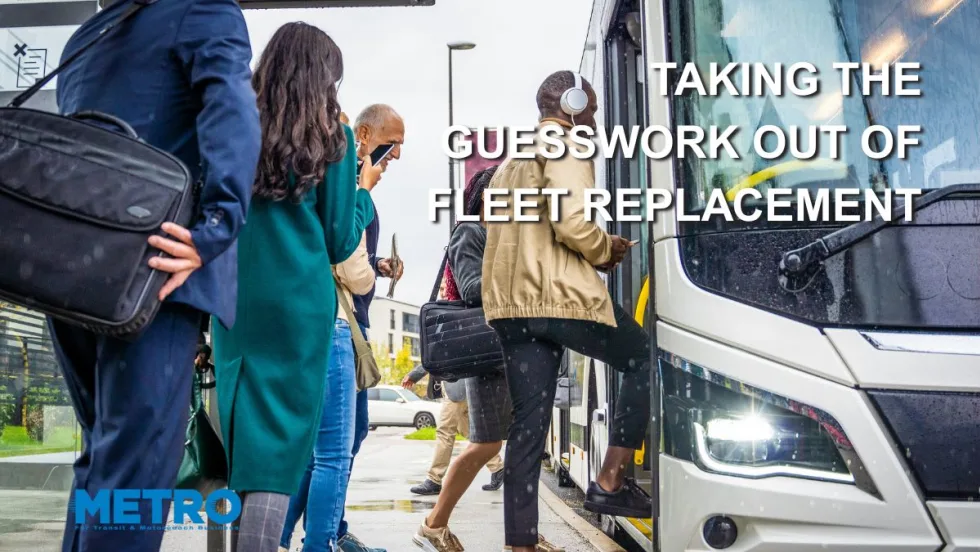
Utilimarc Launches SmartReplace to Optimize Fleet Replacement Decisions
AI-powered SmartReplace helps fleets prioritize vehicle replacements, model budget scenarios, and build more defensible long-term strategies.
Read More →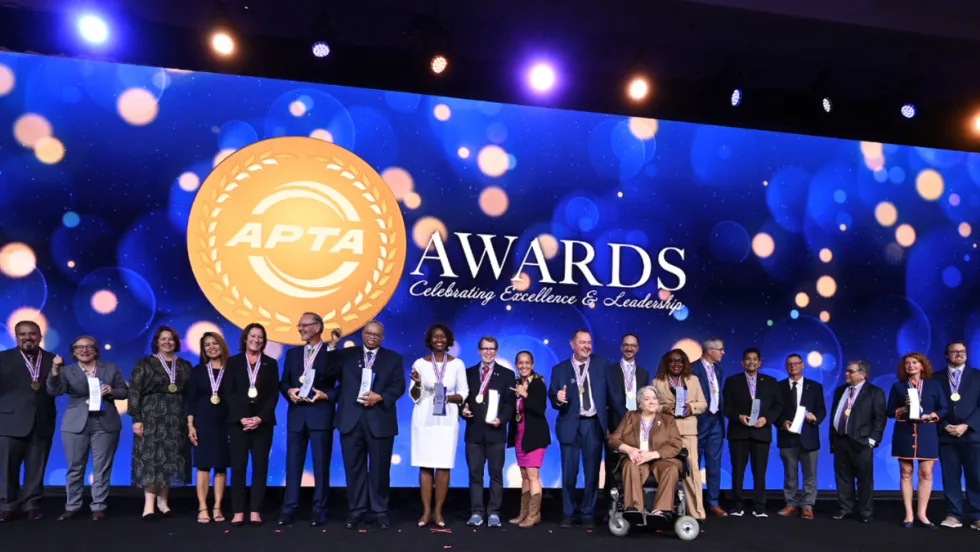
APTA Honors 2026 Award Winners, Hall of Fame Inductees at TRANSform & EXPO
Innovations in autonomous and zero-emission transportation, standout transit systems, and industry leadership took center stage among this year's honorees.
Read More →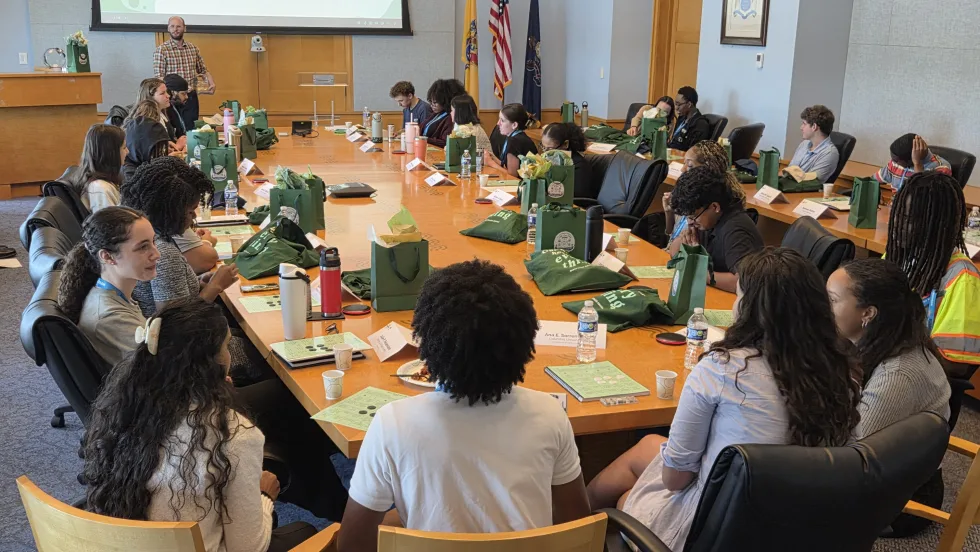
7 Ways to Build a Better Transit Internship Program
Lessons from DRPA/PATCO’s approach to creating a meaningful internship experience—and developing the next generation of transportation professionals.
Read More →
Scenes from APTA TRANSform & EXPO 2026
Transit leaders, manufacturers, and industry professionals gathered in Chicago to explore new technologies, share ideas, and discuss the future of public transportation.
Read More →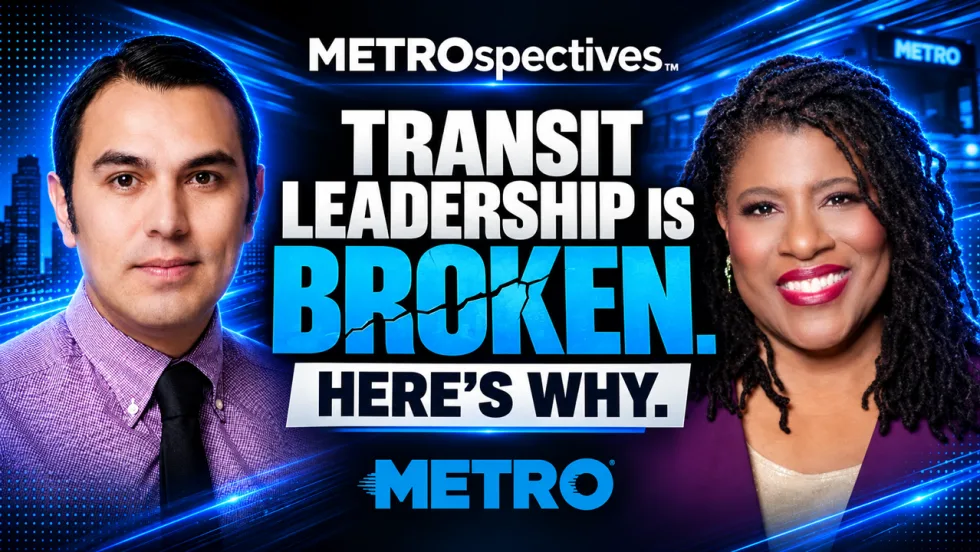
Building Stronger Leaders, More Resilient Transit Teams
Dr. Carol Parker Walsh discusses leadership development, employee retention, workplace culture, and preparing transit’s workforce for AI and automation.
Read More →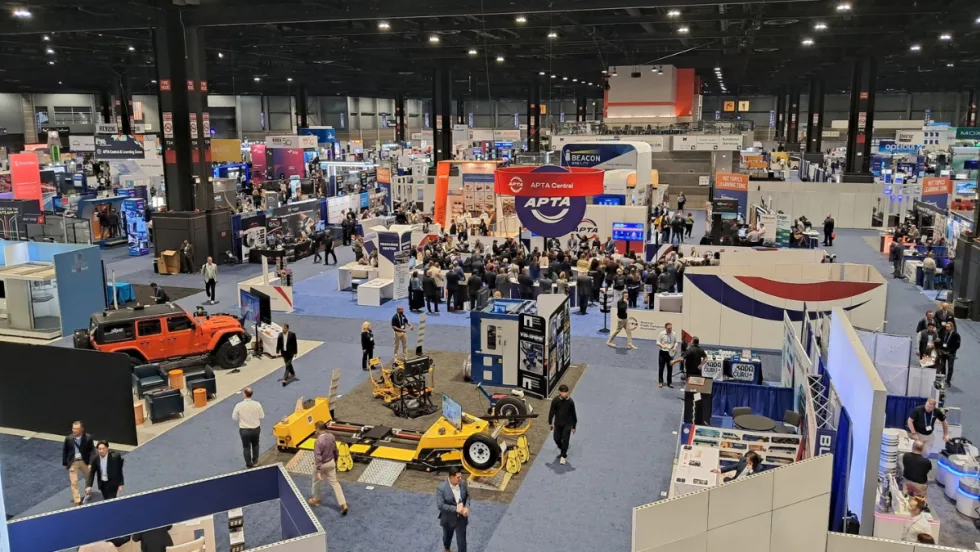
APTA 2026 TRANSform & EXPO Kicks Off in Chicago
After 45 years, APTA returns to Chicago with a focus on next-generation fleets, AI, connected transit networks, and the funding strategies shaping public transportation’s future.
Read More →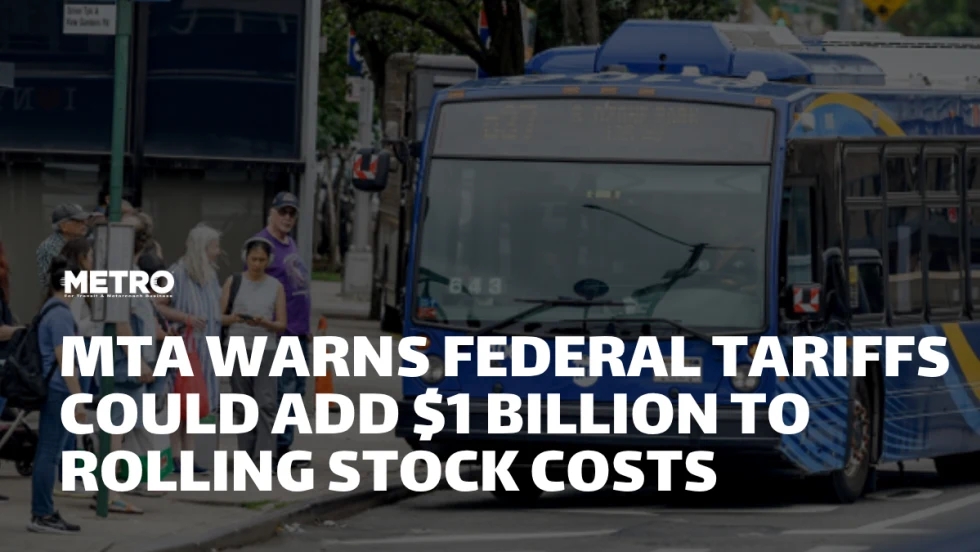
New York MTA Warns Federal Tariffs Could Add $1 Billion to Rolling Stock Costs
The agency said tariffs on specialized imported components could reduce the purchasing power of its $23 billion investment in new subway cars, railcars, and buses.
Read More →
From the Show Floor: What Happened at APTA TRANSform & EXPO 2026
See the latest product launches, partnerships, technology updates, and transit industry announcements from APTA TRANSform & EXPO in Chicago.
Read More →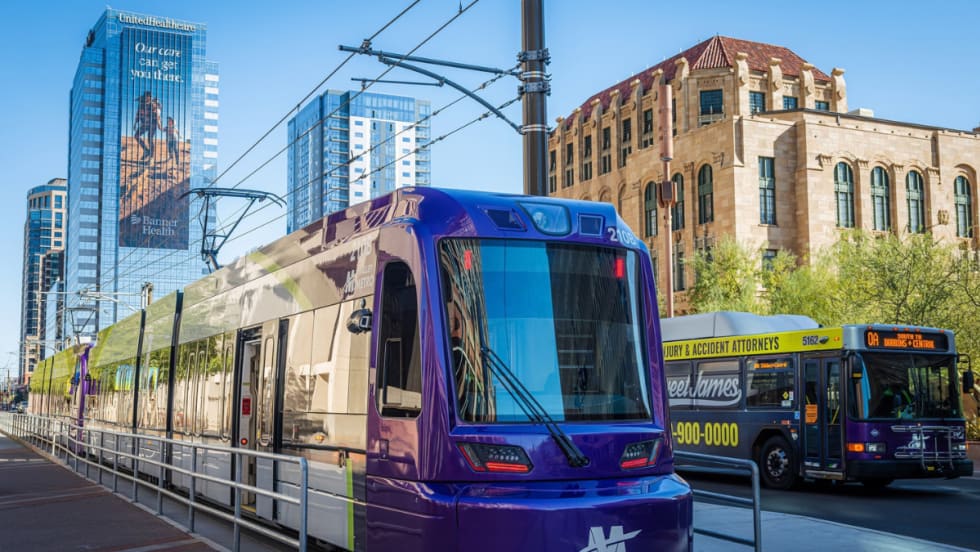
How Valley Metro Is Balancing Transit Growth With the Rider Experience
The APTA award-winning agency is pairing rapid system expansion with investments in workforce, safety, technology, and the fundamentals of transit service.
Read More →
Bus Tech Talk: Keeping Transit Technicians Ahead of the Technology Curve
In this episode of Bus Tech Talk, Complete Coach Works’ Business Development Manager Mark Hollenbeck and METRO’s Executive Editor Alex Roman sit down with Obed Mejia, Senior Technical Trainer for Bus Maintenance, at LA Metro to discuss how rapidly evolving bus technology is changing the maintenance shop — and the skills technicians need to keep pace.
Read More →