



Pittsburgh Approves FY2027 Budget, Warns of Long-Term Funding Challenges
The FY2027 operating budget totals $595.7 million and does not include fare increases or service reductions. To balance the budget, PRT is using $44.8 million in capital funding and $15.4 million in operating reserves.

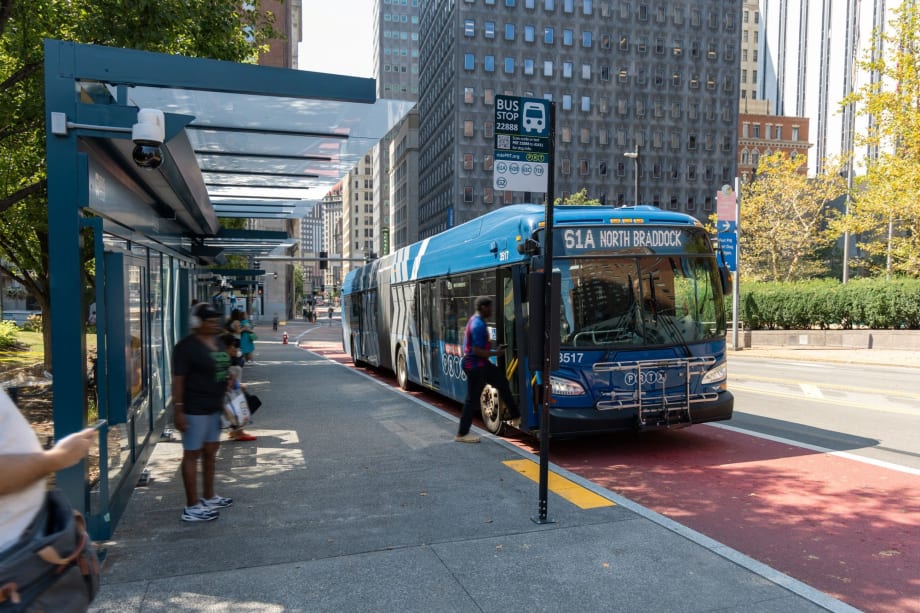
Like many transit agencies across Pennsylvania and North America, PRT continues to face rising operating costs that are outpacing revenues, said officials.
PRT
- Pittsburgh's FY2027 budget totals $595.7 million and avoids fare hikes or service cuts.
- The budget balance relies on $44.8 million in capital funding and $15.4 million from operating reserves.
- Officials caution about potential long-term funding challenges despite the approved budget.
*Summarized by AI
Pittsburgh Regional Transit’s (PRT) board adopted the agency’s Fiscal Year 2027 operating and capital budgets, preserving current fares and service levels while warning that long-term funding challenges remain unresolved.
The FY2027 operating budget totals $595.7 million and does not include fare increases or service reductions. To balance the budget, PRT is using $44.8 million in capital funding and $15.4 million in operating reserves.
PRT’s Budget
The FY2027 capital budget totals $211.6 million and includes $50.9 million in federal funding, $155.5 million in state funding, and $5.2 million from county and other capital sources.
The budget reflects the second and final year of the waiver PennDOT approved in September 2025 that allowed SEPTA and PRT to use capital funds to support operating expenses.
Without a sustainable long-term funding solution, however, PRT’s financial outlook remains uncertain.
The agency anticipates using the remainder of its operating reserves in FY2029.
“Public transit connects people to jobs, healthcare, education, and opportunity every day,” said PRT CEO Katharine Kelleman. “While this budget preserves current service and fares, it also highlights the urgent need for a long-term funding solution that recognizes transit as a critical investment in our region’s economic future and competitiveness.”
Facing Financial Shortfalls
Like many transit agencies across Pennsylvania and North America, PRT continues to face rising operating costs that are outpacing revenues, officials said.
PRT officials said that since 2019, the cost of providing public transit has increased significantly across nearly every category, including fuel, utilities, parts, materials, insurance, and contracted services. At the same time, ridership patterns continue to evolve following the pandemic.
PRT said it is not alone in facing these pressures.
Transit agencies across Pennsylvania continue to confront structural budget challenges driven by inflation, changing travel patterns, and a decades-old funding structure.
Last year, both the Southeastern Pennsylvania Transportation Authority and PRT warned of potential service reductions and layoffs without additional state support. PennDOT ultimately provided temporary relief through a waiver that allowed agencies to use capital funding to support operations.
That solution, however, was intended as temporary relief rather than a permanent funding strategy. Like one-time federal relief funding or the use of reserves, shifting capital dollars to support operations delays — but does not solve — the structural funding challenges facing public transportation systems, agency officials said.
Even as PRT works to manage operating costs and balance its budget, the agency said it must continue investing in critical infrastructure and maintaining a state of good repair.
Quick Answers
The FY2027 operating budget totals $595.7 million.
*Summarized by AI
More Management

Building Stronger Leaders, More Resilient Transit Teams
Dr. Carol Parker Walsh discusses leadership development, employee retention, workplace culture, and preparing transit’s workforce for AI and automation.
Read More →
Roman Cornell on ABC Companies’ Evolution and the Future of Passenger Transportation
The company’s CEO discusses carrying forward a third-generation family legacy, ABC’s continued evolution in passenger transportation, support for increasingly complex fleets, and how technology and continued investment could help operators improve uptime.
Read More →
CATS Launches West Charlotte Microtransit Zone, Expands Transit Services
The new microtransit zone connects residents to key destinations as Charlotte Area Transit System rolls out the first phase of its 2055 Transit System Plan.
Read More →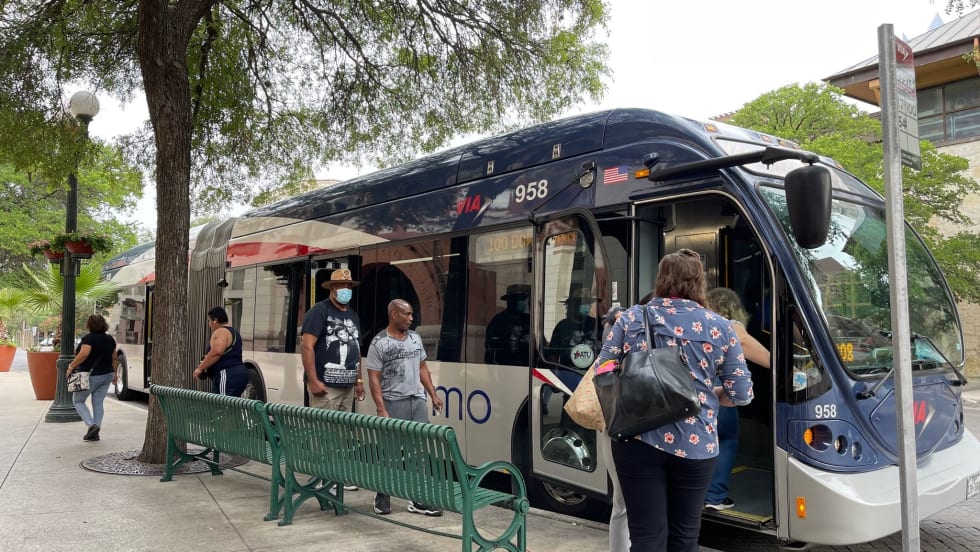
VIA Bus Ridership Grows 10.1% Through August 2026
San Antonio's VIA Metropolitan Transit reported the highest bus ridership growth among major Texas transit systems. Federal Transit Administration data ranked it second among the nation's 50 largest transit systems.
Read More →
CSA Group Releases Climate Resilience Standard for Transit, Passenger Rail
Developed with support from the Standards Council of Canada, CSA D700 guides assessing climate-related risks and planning adaptation measures for transit and passenger rail systems.
Read More →
ETA CEO John Maglio on Transit Technology, Innovation, and Building Agency Trust
ETA founder and CEO John Maglio explores the evolution of transit technology, the importance of reliable systems, and how stronger partnerships can help agencies improve operations and the passenger experience.
Read More →
COTA Launches First Customer Experience Action Plan to Improve Transit Service
The new plan outlines improvements to service reliability, accessibility, communication, and the overall rider experience across Central Ohio's transit system.
Read More →
LA Metro September Ridership Climbs 3.9%, Led by Rail Growth
The agency recorded more than 27.2 million boardings, with rail ridership increasing 12.4% year over year and the D Line posting the largest gains.
Read More →
Utilimarc Launches SmartReplace to Optimize Fleet Replacement Decisions
AI-powered SmartReplace helps fleets prioritize vehicle replacements, model budget scenarios, and build more defensible long-term strategies.
Read More →
APTA Honors 2026 Award Winners, Hall of Fame Inductees at TRANSform & EXPO
Innovations in autonomous and zero-emission transportation, standout transit systems, and industry leadership took center stage among this year's honorees.
Read More →