




Keep Reading: MBTA Unveils First Systemwide Climate Resilience Roadmap
MBTA Board Approves $10.3 Billion Capital Plan Through 2031
The five-year plan funds more than 660 projects aimed at improving reliability, modernizing infrastructure, and enhancing the rider experience across the MBTA system.
June 1, 2026
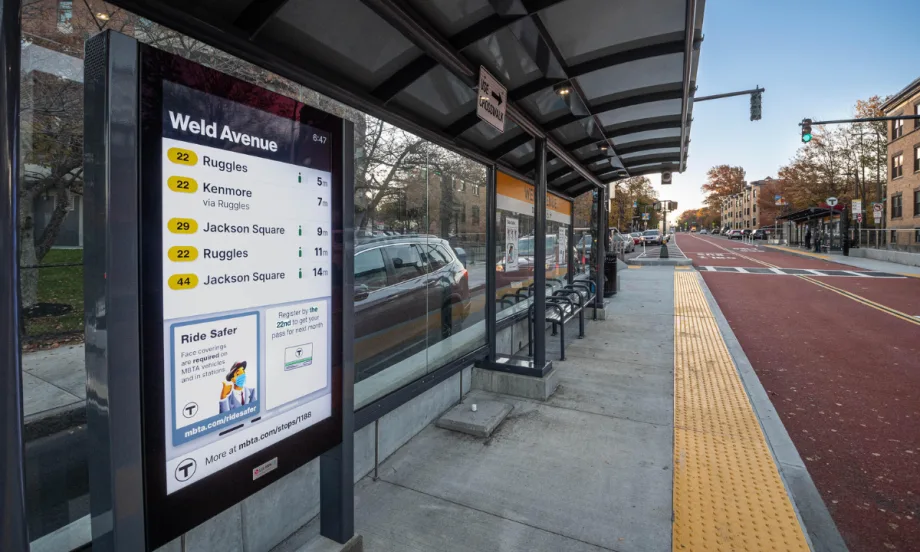
The capital projects in the MBTA's Capital Investment Plan consist of regular maintenance, building for the future, and improving service for riders.
Credit:
Massachusetts Bay Transportation Authority
2 min to read
The Massachusetts Bay Transportation Authority Board of Directors today unanimously approved the Fiscal Years 2027 – 2031 MBTA Capital Investment Plan. The CIP is a rolling, five-year financial plan that funds all MBTA capital projects and seeks to “deliver meaningful results for riders while building a best-in-class transit system for the future.”
“Under the leadership of the Healey-Driscoll Administration and with the support of our Legislative and municipal partners, the MBTA is setting a national example for how to accelerate transportation infrastructure projects that drive economic vitality and support the communities we serve,” said Interim Secretary of Transportation and MBTA General Manager and CEO Phillip Eng.
To support these goals, the capital projects in the plan consist of:
- Regular Maintenance: Building on the MBTA’s recent progress to effectively and efficiently deliver results for its riders now and in the future.
- Building for the Future: Tackling major modernization projects that set a strong foundation for future infrastructure while seeking additional funding.
- Improving Service for Riders: Ensuring improved service in the near- and long-term by improving frequency and reliability, decarbonizing the system, and improving the experience of riders.
This capital investment plan includes over 660 unique capital projects, totaling a programmed spend of $10.3 billion over the next five fiscal years, to modernize, improve, and enhance the safety and reliability of the MBTA. These investments aim to maintain a state of good repair, modernize MBTA assets, improve service, and meet strategic priorities and performance goals.
It is informed by the Capital Needs Assessment and Inventory, the MBTA Strategic Plan, and long-term plans such as Focus40, the Rail Modernization Plan, and Focus 2050.
The CIP is now available online and includes an overview of the MBTA’s capital planning process, summaries of modal investments and initiatives, and the full list of capital projects. The CIP also forecasts anticipated funding levels for future years, during which the MBTA will be challenged to stay on course to achieve its capital investment targets.
More Management

Michael Schneider Joins Paslay Group to Expand Transportation Practice
The longtime transportation executive will help Paslay Group grow its advisory and program management work across transit, highway, and other infrastructure sectors.
Read More →
People Movement: Connectpoint Expands Leadership Team, Stadler Names New Group CEO, and More
In this edition, we also spotlight recent personnel moves at Burns, UZURV, and more, highlighting the people taking on new roles across the transportation industry.
Read More →
More Than a Summer Job: Building the Next Generation of Transit Talent
The Delaware River Port Authority and PATCO have transformed their internship program into a hands-on professional development experience that introduces students to the breadth of transportation careers — and creates a pipeline for future employees.
Read More →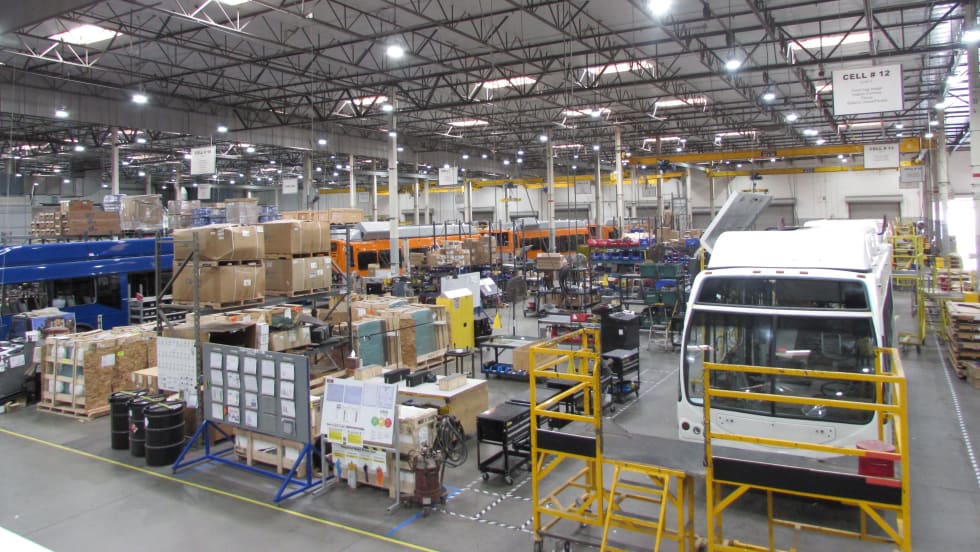
LA Metro Board Awards 220 Battery-Electric Bus Contract to ENC
The contract, which is the largest base award of battery-electric buses by a U.S. transit agency, will be built in Southern California, sustaining good jobs as LA prepares to welcome the world in 2028
Read More →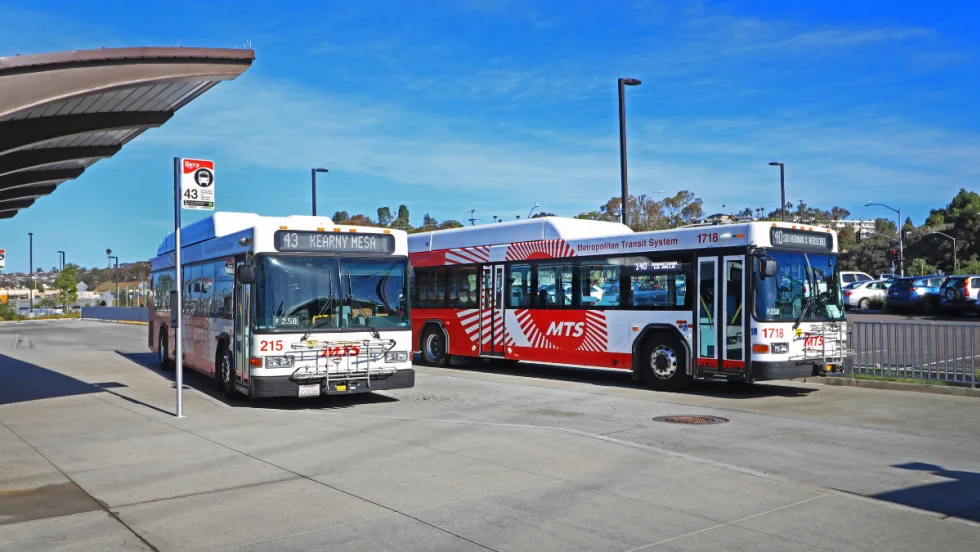
What’s Behind San Diego MTS’s Award-Winning Transit Strategy
Named one of APTA’s 2026 Outstanding Public Transportation Systems with 50 million or more annual passenger trips, California’s San Diego Metropolitan Transit System points to gains in ridership, safety, technology, and reliability as foundations of its success.
Read More →
Public Transit Conference Returning to GFX in 2027, Call for Papers Now Open
The Call for Papers is now open, allowing transit agency professionals and industry experts to help shape the PTC educational program by submitting session ideas for consideration.
Read More →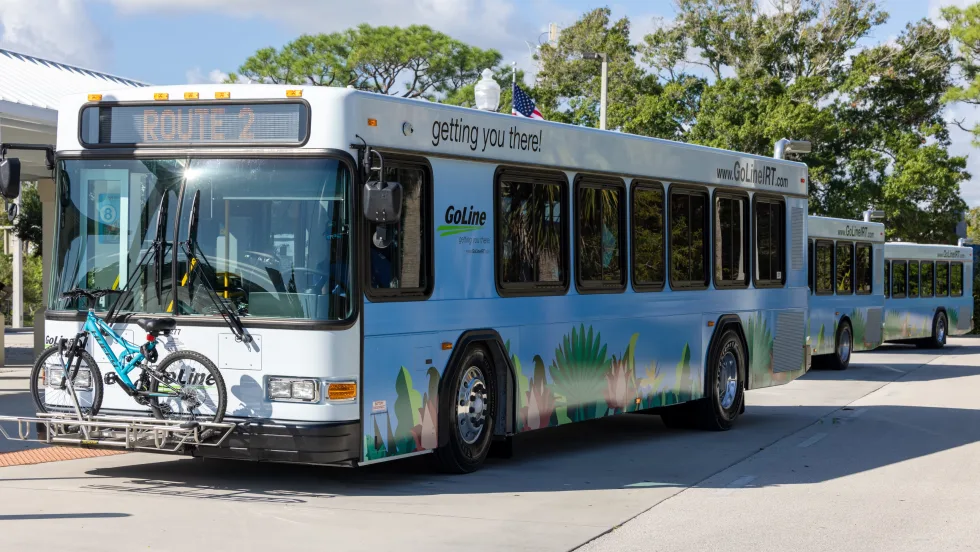
Indian River Transit’s Community-Focused Approach Earns National Recognition
Named APTA’s 2026 Outstanding Public Transportation System in its size category, Florida’s Indian River County transit system continues to grow ridership through fare-free service and a focus on evolving community needs.
Read More →
ENC Lands MATA Contract and More in Biz Briefs
In this edition of Biz Briefs, we spotlight the latest developments shaping the future of mobility.
Read More →
From Surviving to Thriving: Building Stronger Transportation Organizations
Bus Business Consultants founder Brian Dickson shares lessons on leadership, organizational health, and creating options for long-term success in a changing transportation industry.
Read More →
Everett Transit, Community Transit Outline Consolidation Agreement
The proposed agreement calls for a 50% increase in bus service in Everett, a new microtransit zone, continued paratransit service, and the transfer of Everett Transit operations to Community Transit.
Read More →