



Charlotte's Light Rail Line Draws Closer to Finish Line
But rising cost of construction materials and shortage of skilled laborers are making it hard for CATS to stay within its $427 million budget for the 10-mile line.
As Ron Tober, CEO of the Charlotte (N.C.) Area Transit System (CATS), points out, “Nothing is without challenges.” That’s certainly true of the city’s first light rail project, which was started from scratch in the late 1990s and is scheduled to open for service in the summer of 2007.
The South Corridor Light Rail Project will span almost 10 miles, wending its way along dual tracks from uptown Charlotte to the I-485 highway. Along the way, the rail vehicles will stop at 15 stations (including seven with park-and-ride lots) and cross over four new bridges at major intersections.
A fleet of low-floor rail vehicles built by Siemens Transportation Systems, each with 68 seats and a capacity of 236, will accomplish this task in approximately 23 minutes.
This 23-minute ride, of course, has been years in the making, with numerous hurdles along the way. “To begin with, we had to create an organizational setting and a staff complement that would pass muster with the FTA [Federal Transit Administration] and with our own needs to be able to put together the project,” Tober says.
Because Charlotte did not have a heavy transit focus when the project got started in the late 1990s, shepherding the project through the regulatory and funding process has been particularly challenging. “But I think we’ve been very successful in that regard,” Tober says.
Getting through the funding process with the FTA, which is providing just less than half of the $427 million project cost, has required persistence, patience and nerves of steel. “The ever-changing requirements — with higher and higher hurdles — have been a big challenge to us as I think they have been to every city that’s engaged in this process, even those that are well established and have a track record in the larger transit project arena,” Tober says. “It has been very frustrating at times.”
Unexpected cost run-ups
Another challenge that has cropped up in the past few years is the battle against rising construction costs, many of which are influenced by factors outside CATS’ control.
Increases in the price of steel and cement — caused in part by China’s voracious appetite for construction materials — are at the root of some of the budget misery. But the pain is intensified by the rush of construction workers into the hurricane-ravaged areas of Florida, Louisiana, Mississippi and Alabama. This has created a void in skilled labor in Charlotte, already a tight construction market because of its rapid growth.
“There’s so much construction going on in this community that our local contracting community is tapped out,” Tober says. “That has inhibited some of the competition that we’ve had for some of our construction contracts and has added costs into the general conditions of construction contracts.” Tober says Archer Western, the contractor that is building the track and roadbed, is “very concerned” about its ability to recruit construction workers.
The bottom line is that CATS has seen 30% to 50% overruns on some of its budgeted costs for construction projects over the past year. To absorb these overruns without expanding the $427 million budget, CATS is considering some cost-cutting measures, such as scaling back the architectural features of the bridges and stations, but “nothing that’s going to affect the functionality of the line,” Tober adds.
Private-sector enthusiasm
On the plus side, the line already has spurred about $400 million in private-sector development. An upscale, 18-story condominium complex has been raised near one of the planned stations, and an apartment complex with 162 dwelling units per acre is already filling up.
“There’s been a tremendous amount of development and now that we’re actually under construction, we’re being flooded by developer requests, either to implement projects within the current city transit-oriented development [TOD] zoning policies or to rezone properties to create TOD developments close to the stations,” Tober says.
This surge in developer interest in the light rail line has drawn criticism from some quarters of the community, especially those who believe the placement of the line benefits affluent young professionals and empty-nesters at the expense of working-class folks with a greater need for public transportation.
But Tober points out that the city’s affordable-housing policy ensures that a percentage of the development near the stations caters to people in lower-income brackets. “The approach we’re using is not just to attract the young people who want to live in an urban environment or empty-nesters who want to change their lifestyle and get out of a suburban situation, it is also designed for people who are just plain old working folks, such as police officers, firefighters and postal workers,” he says.
Smart-growth strategy
Unlike some of the light rail projects in other cities, Charlotte’s line isn’t designed to reduce traffic congestion along the corridor — at least not existing congestion. “It’s designed in anticipation of growth and to concentrate that growth along the corridor,” Tober explains. “The strategy is not to solve traffic congestion, but to reduce the amount of traffic congestion that we’ll have in the future.”
The goal is to spawn development along the corridor that will reduce the reliance on automobiles. “Specifically, we want to reduce growth in vehicle miles traveled by developing more compact land-use patterns built around transit facilities and transit stations,” Tober says.
Instead of needing two or three cars, a family living along the corridor might only need one car and could instead use the transit system or walk or bicycle for most of their trips. “This could help to eliminate the number of short-trip cold starts that occur when you have a more suburban development pattern, where people have to start the car and drive a mile to get a loaf of bread or a gallon of milk,” he adds.
Construction concerns
Now that construction is underway, the transit agency, along with the city’s engineering and transportation departments, is immersed in mitigating the impact on residents and businesses in the work zones. “We’ve made some changes and adjustments in our construction schedule, which has cost us some money, to accommodate the concerns of local businesses.”
Tober says one restaurant owner in the construction zone told him that he expected to lose 30% of his regular business. “We’ve worked with him and I’ve made it a practice of having lunch at his restaurant whenever I can,” he says. Strangely, the restaurant owner has seen an increase in business.
Tober says the “jury’s still out” on the community’s response to construction annoyances, but he’s confident that the city is doing its best to address complaints and to keep residents and businesses informed. “I think we’ve gone the extra mile, as we have throughout this project, to engage the public, inform the public, get feedback from the public and communicate with them as much as we can,” he says.
More Management

Indian River Transit’s Community-Focused Approach Earns National Recognition
Named APTA’s 2026 Outstanding Public Transportation System in its size category, Florida’s Indian River County transit system continues to grow ridership through fare-free service and a focus on evolving community needs.
Read More →
ENC Lands MATA Contract and More in Biz Briefs
In this edition of Biz Briefs, we spotlight the latest developments shaping the future of mobility.
Read More →
From Surviving to Thriving: Building Stronger Transportation Organizations
Bus Business Consultants founder Brian Dickson shares lessons on leadership, organizational health, and creating options for long-term success in a changing transportation industry.
Read More →

Everett Transit, Community Transit Outline Consolidation Agreement
The proposed agreement calls for a 50% increase in bus service in Everett, a new microtransit zone, continued paratransit service, and the transfer of Everett Transit operations to Community Transit.
Read More →
Strada360’s Steve Lassey on Turning Transit Data Into Better Decisions
From breaking down data silos to preparing for AI, Strada360 CEO Steve Lassey discusses how transit agencies can use technology to improve operations, customer information, and long-term decision-making.
Read More →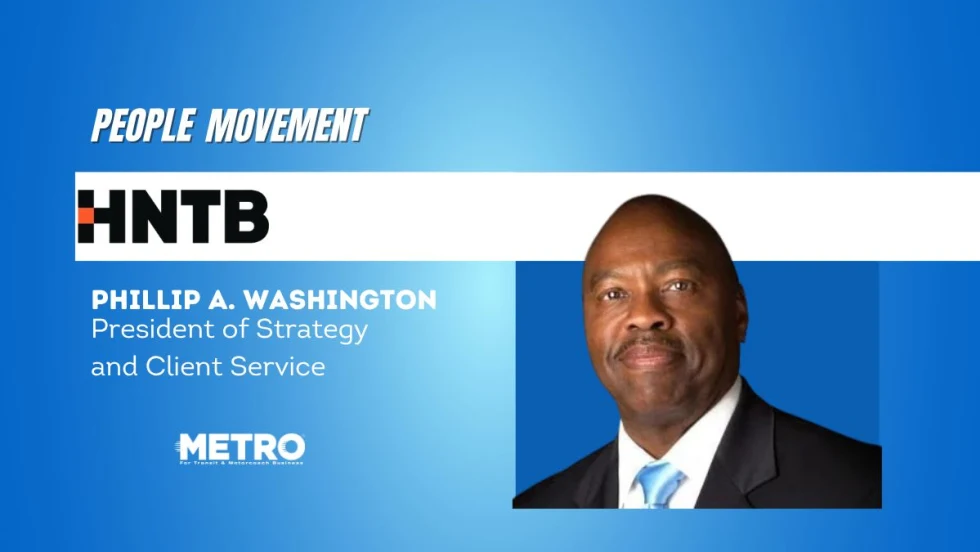
People Movement: Phil Washington Joins HNTB, Denver RTD Launches CEO Search, and More
In this edition, we also spotlight recent personnel moves at STV, the Eno Center for Transportation, and more, highlighting the people taking on new roles across the transportation industry.
Read More →
SEPTA Details Accelerate Vision for Transit System
The plan outlines investments in trolley modernization, new Metro and Regional Rail vehicles, accessible stations, and more frequent bus and rail service.
Read More →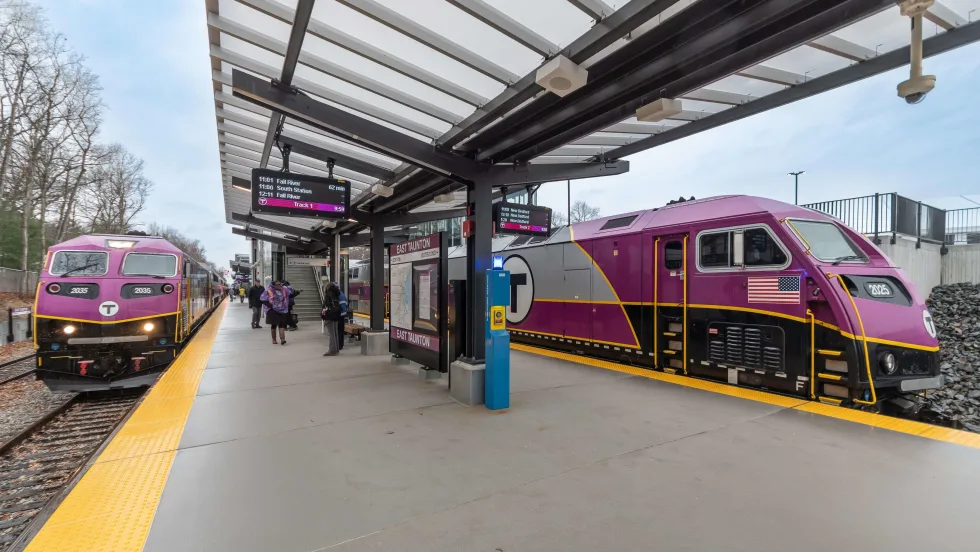
FTA Ends Direct Oversight of MBTA Safety Actions
The federal agency closed its remaining special directive to the Massachusetts Department of Public Utilities following a safety review that began in 2022.
Read More →
Report: Transit Bus Manufacturing Supports 34,100 Jobs, $5.1B in GDP
The “Buses Mean Business” report examines the transit bus manufacturing industry’s economic footprint, supply chain, and rising demand for vehicle replacements.
Read More →
LIT Marks 10-Year Milestone at Annual Summit
Hosted by the COTA from September 10 to 13, the Summit carried the theme “Celebrating 10 Years of Excellence, Leadership, and Impact,” with every part of the program honoring the people, agencies, and partners who built LIT over its first decade.
Read More →