



Chilean crash triggers crackdown on unsafe buses
The Chilean federal government is heavily regulating companies that provide bus trips to tourist sites.

A bus crash in the Pacific port city of Arica, Chile, that killed 12 American tourists in March has prompted Chilean federal officials to step up bus inspections. The tourists, passengers from a Celebrity Cruises ship docked in Arica, were returning from an excursion to Lauca National Park in the Andes when the driver swerved to avoid an approaching truck, causing the bus to tumble 300 feet down a steep mountainside, said Juan Carlos Poli, an Arica city hall spokesman. Of the 16 passengers, four were hospitalized in serious condition, along with the driver, who is expected to be charged with vehicular homicide, if he recovers. Located 1,250 miles north of Santiago, Arica is a popular docking destination for cruise ships and has seen an influx of small bus companies vying to transport passengers to local attractions. Since the crash, federal officials have been inspecting buses and turning away those without proper paperwork. Hoping to stave off any repercussions from the tourism industry, Alvaro Palma Quiroz, Arica’s provincial governor, met with police officials and tour operators to find ways to ensure the safety of local bus excursions.
More Management

ENC Lands MATA Contract and More in Biz Briefs
In this edition of Biz Briefs, we spotlight the latest developments shaping the future of mobility.
Read More →
From Surviving to Thriving: Building Stronger Transportation Organizations
Bus Business Consultants founder Brian Dickson shares lessons on leadership, organizational health, and creating options for long-term success in a changing transportation industry.
Read More →
Everett Transit, Community Transit Outline Consolidation Agreement
The proposed agreement calls for a 50% increase in bus service in Everett, a new microtransit zone, continued paratransit service, and the transfer of Everett Transit operations to Community Transit.
Read More →

Strada360’s Steve Lassey on Turning Transit Data Into Better Decisions
From breaking down data silos to preparing for AI, Strada360 CEO Steve Lassey discusses how transit agencies can use technology to improve operations, customer information, and long-term decision-making.
Read More →
People Movement: Phil Washington Joins HNTB, Denver RTD Launches CEO Search, and More
In this edition, we also spotlight recent personnel moves at STV, the Eno Center for Transportation, and more, highlighting the people taking on new roles across the transportation industry.
Read More →
SEPTA Details Accelerate Vision for Transit System
The plan outlines investments in trolley modernization, new Metro and Regional Rail vehicles, accessible stations, and more frequent bus and rail service.
Read More →
FTA Ends Direct Oversight of MBTA Safety Actions
The federal agency closed its remaining special directive to the Massachusetts Department of Public Utilities following a safety review that began in 2022.
Read More →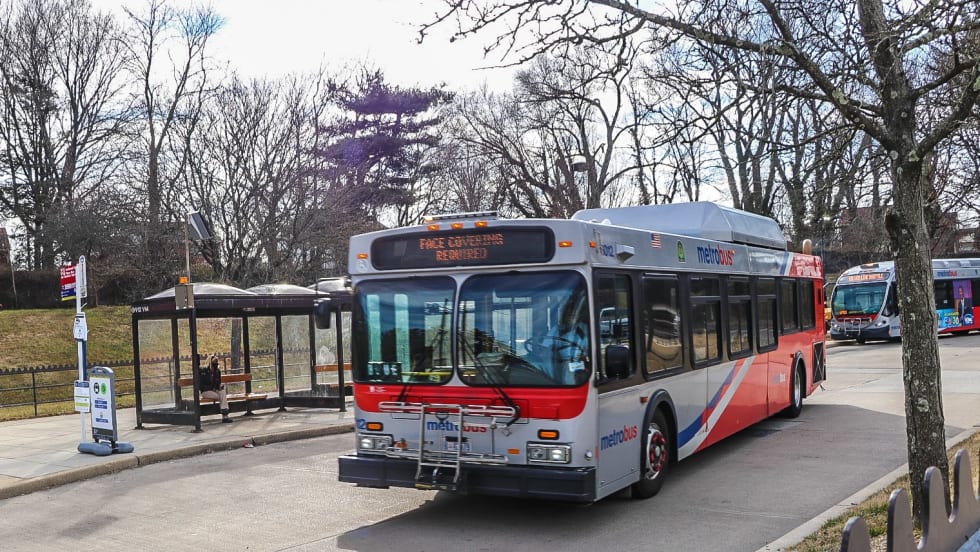
Report: Transit Bus Manufacturing Supports 34,100 Jobs, $5.1B in GDP
The “Buses Mean Business” report examines the transit bus manufacturing industry’s economic footprint, supply chain, and rising demand for vehicle replacements.
Read More →
LIT Marks 10-Year Milestone at Annual Summit
Hosted by the COTA from September 10 to 13, the Summit carried the theme “Celebrating 10 Years of Excellence, Leadership, and Impact,” with every part of the program honoring the people, agencies, and partners who built LIT over its first decade.
Read More →
People Movement: Dan Dipert Coaches Adds Third-Generation Leader, Keolis Names New Valley Metro VP/GM, and More
In this edition, we also cover recent appointments and announcements at the Wabtec, SilverRide, HNTB, and more, showcasing the individuals helping to shape the future of transportation.
Read More →