



Coach USA clings to No. 1 in Top 50
Fleet totals take a 15% dip in METRO’s 17th annual fleet survey, where average fleet size dropped by 41 buses.
The economic uncertainty of the past year has clearly taken a toll on the motorcoach industry, evident in the decreasing numbers in METRO’s 17th Annual Top 50 Fleet Survey. Even Coach USA, which remains in the No.1 spot with 2,821 vehicles, did not escape unscathed. It disclosed a 6% decrease in revenue. Meanwhile, Stagecoach Group, Coach USA’s parent company headquartered in Scotland, revealed plans to downsize its North American holdings by closing or selling businesses not consistent with its new restructuring plan. At press time, Peter Pan Bus Lines in Springfield, Mass., signed a purchase agreement to acquire Coach’s five New England operations. Our Top 50 shows a total of 11,939 vehicles tallied, 2,068 less than last year, a 15% drop. Compared to the year 2001 numbers, that is a 37% decrease. The disappearance of Vectour Inc., No. 3 in 2002 with 870 total buses, was a major factor for the drop in our fleet tally. Since its Chapter 11 filing in October 2001, Vectour has been cleaning house, selling off its company holdings, primarily back to the original owners — at cut-rate prices. Greyhound stayed in the No.2 position for the second year in a row, with a fleet total of 2,425, nearly 400 vehicles behind No. 1-ranked Coach USA. The top two operations comprise 44% of the Top 50 total, counting 5,246 buses. On the opposite end of the spectrum, this year’s smallest operation, Susquehanna Transit Co. of Avis/Williamsport, Pa., has a fleet of 30 buses. The number of buses longer than 40 feet declined 24% this year, from 904 buses to 685. Doubledecker buses also saw a decline, dropping 32% to a total of 65. Forty-foot vehicles, which continue to comprise a major segment (70%) of the Top 50 fleets, rose 20% for a count of 8,383. Vehicles longer than 40 feet rose a slim 2%, staying in second place for the fleet mix with 2,806 buses. Following the decline of fleet totals, the average fleet size shrank 15%, from 280 vehicles to 238. As a majority of the fleet total resides in the upper portion of our list, the average fleet size lands somewhere between No. 9 Martz Group (297) of Wilkes-Barre, Pa., and No. 10 Green Bus Lines (235) of Queens, N.Y. Only 10% of survey respondents equip their vehicles with video cameras, while 25% of fleets use global positioning systems on buses. ADA-compliant buses made great strides this year, jumping 35% to an increase of 900 vehicles. The number of vans in the survey also made a notable rise, from 2,565 to 3,550. In response to our question about security implementations for the past year, a majority of operations developed training programs based on increasing driver awareness. Other security measures taken by operations include checking IDs with luggage, establishing stronger relationships with state police and pre- and mid-trip inspections. Several new operations have joined the fleet rankings this year, including Red Carpet Charters of Oklahoma City and Peoria Charter Coach of Peoria, Ill. If you feel you belong in the 2004 edition of METRO’s survey, please let us know. Click here to see the complete Top 50.
More Management

People Movement: Connectpoint Expands Leadership Team, Stadler Names New Group CEO, and More
In this edition, we also spotlight recent personnel moves at Burns, UZURV, and more, highlighting the people taking on new roles across the transportation industry.
Read More →
More Than a Summer Job: Building the Next Generation of Transit Talent
The Delaware River Port Authority and PATCO have transformed their internship program into a hands-on professional development experience that introduces students to the breadth of transportation careers — and creates a pipeline for future employees.
Read More →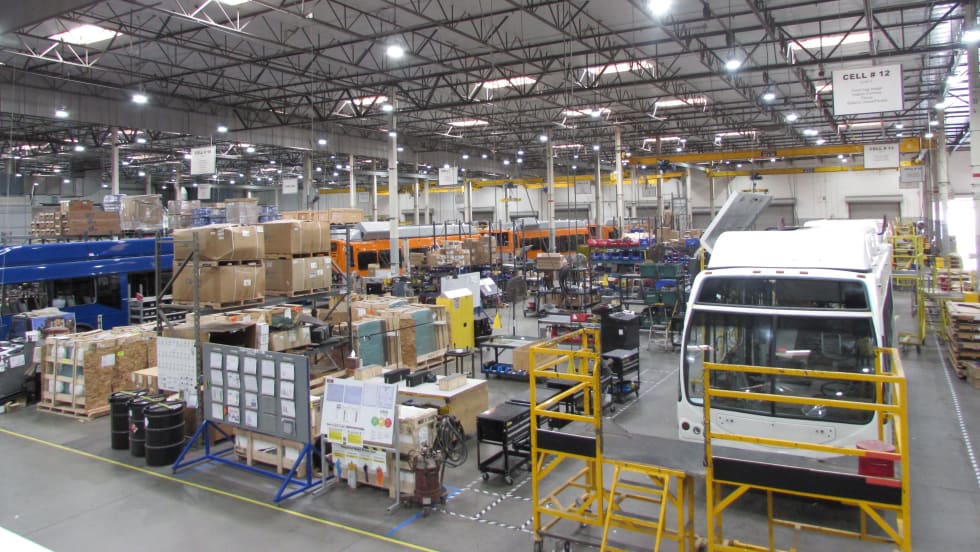
LA Metro Board Awards 220 Battery-Electric Bus Contract to ENC
The contract, which is the largest base award of battery-electric buses by a U.S. transit agency, will be built in Southern California, sustaining good jobs as LA prepares to welcome the world in 2028
Read More →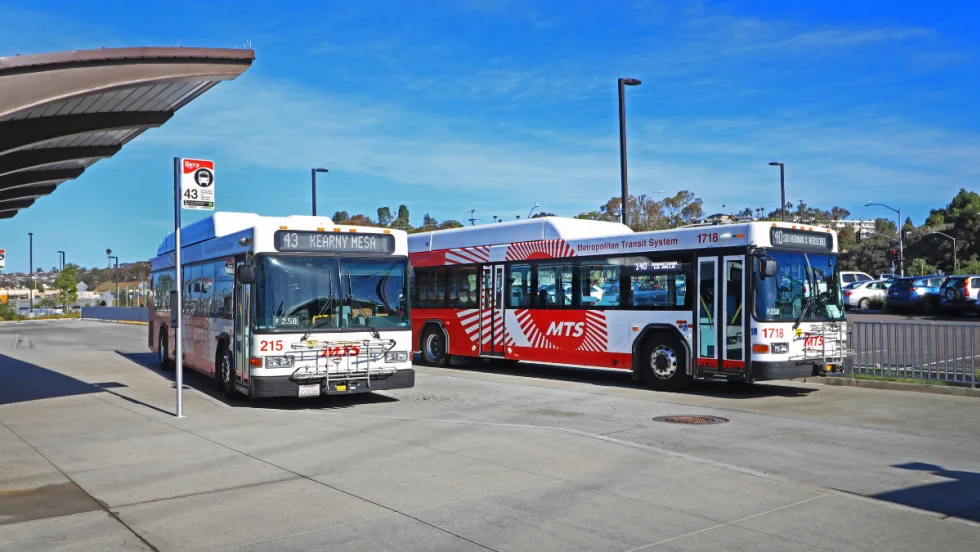
What’s Behind San Diego MTS’s Award-Winning Transit Strategy
Named one of APTA’s 2026 Outstanding Public Transportation Systems with 50 million or more annual passenger trips, California’s San Diego Metropolitan Transit System points to gains in ridership, safety, technology, and reliability as foundations of its success.
Read More →
Public Transit Conference Returning to GFX in 2027, Call for Papers Now Open
The Call for Papers is now open, allowing transit agency professionals and industry experts to help shape the PTC educational program by submitting session ideas for consideration.
Read More →
Indian River Transit’s Community-Focused Approach Earns National Recognition
Named APTA’s 2026 Outstanding Public Transportation System in its size category, Florida’s Indian River County transit system continues to grow ridership through fare-free service and a focus on evolving community needs.
Read More →
ENC Lands MATA Contract and More in Biz Briefs
In this edition of Biz Briefs, we spotlight the latest developments shaping the future of mobility.
Read More →
From Surviving to Thriving: Building Stronger Transportation Organizations
Bus Business Consultants founder Brian Dickson shares lessons on leadership, organizational health, and creating options for long-term success in a changing transportation industry.
Read More →
Everett Transit, Community Transit Outline Consolidation Agreement
The proposed agreement calls for a 50% increase in bus service in Everett, a new microtransit zone, continued paratransit service, and the transfer of Everett Transit operations to Community Transit.
Read More →
Strada360’s Steve Lassey on Turning Transit Data Into Better Decisions
From breaking down data silos to preparing for AI, Strada360 CEO Steve Lassey discusses how transit agencies can use technology to improve operations, customer information, and long-term decision-making.
Read More →