



Connex expands global network with rail operations Down Under
Connex's Australian transport network, which includes the Sydney Monorail, expanded with a contract to operate the Melbourne Commuter Rail Network.

On April 18, French-based transportation firm Connex became the sole operator of the Melbourne Commuter Rail Network in Australia. As one of the largest public transportation operators in the world, Connex has multiple bus and rail operations in 22 countries, but the Melbourne contract is now the company’s largest. “The Melbourne Commuter Rail is probably one of the most competitive big-city transit networks in the world,” said Stephane Richard, CEO of Connex. The first objective for Connex, he added, will be applying the company’s “know-how in operating public rail services” to get people out of their cars and into mass transport, alleviating the growing problem with vehicle emissions in Australia. Currently, the Melbourne Commuter Rail Network carries approximately 131 million passengers yearly in more than 300 Alstom and Siemens railcars. The network has 15 lines, 209 stations and about 231 route miles. Since 1999, the network has been jointly operated by Connex and National Express, which decided to withdraw in 2002. Ensuing negotiations lasted nearly two years. Pete Batchelor, transport minister of the state of Victoria (of which Melbourne is the capital), said Melbourne’s citizens have an admiration for public transit comparable to that of Europeans. “Our goal is to capitalize on this and get public transport to account for 20% of all trips taken in this state by the year 2020.” The Melbourne train network, along with light rail, monorail and bus operations in Sydney and several bus operations in other parts of the country, make up Connex’s sizable transportation network in Australia. The company will begin operation of another commuter rail line in Auckland, New Zealand, in late June to further its services in that part of the world. Connex, which has a more modest North American presence, last summer became the first private operator to take over a major commuter rail line in the U.S. with its acquisition of the operating contract for the Massachusetts Bay Commuter Railroad in Boston. According to Richard, however, Connex intends to expand U.S. operations and is currently bidding on the Metrolink commuter rail in southern California and Caltrain in northern California. “Traffic, congestion, air problems and security all add up to more public transit development in America,” said Richard. “And we have a lot of potential to grow in the U.S. market, particularly in bus and commuter rail transport.” In addition to the railroad in Boston, Connex has bus operations in South Carolina, Maryland, Virginia, Texas, North Carolina, New Jersey and Virginia.
More Management

Castro to Lead RTC of Southern Nevada and More in People Movement
In this edition, we also cover recent appointments and announcements at the STV, MCI, and more, showcasing the individuals helping to shape the future of transportation.
Read More →
STraffic Expands North American Presence with Fare Collection Technology
John Moon, Associate Director, Product Strategy at STraffic, discusses the company's growth in North America, its efforts to reduce fare evasion, and more.
Read More →
Study: Denver RTD Generates $2.1 Billion in Annual Economic Activity
An economic impact study finds the agency supports approximately 17,500 jobs, delivers $1.6 billion in annual community and mobility benefits, and generates $2.42 in economic value for every dollar invested.
Read More →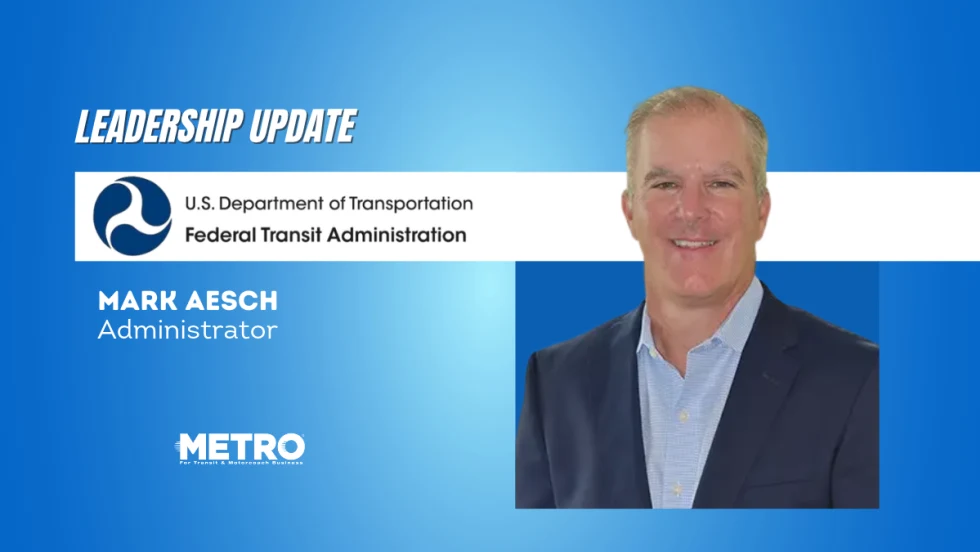
Mark Aesch Nominated to Lead Federal Transit Administration
The former Rochester transit chief and TransPro founder, who has also contributed to METRO Magazine, brings decades of industry experience and a focus on performance, accountability, and financial sustainability to the nomination.
Read More →
Best and Worst U.S. Cities for Public Transportation in 2026
A new analysis of 50 major U.S. urban areas ranks public transit systems based on accessibility, affordability, usefulness, and safety, highlighting where transit performs best and where challenges remain.
Read More →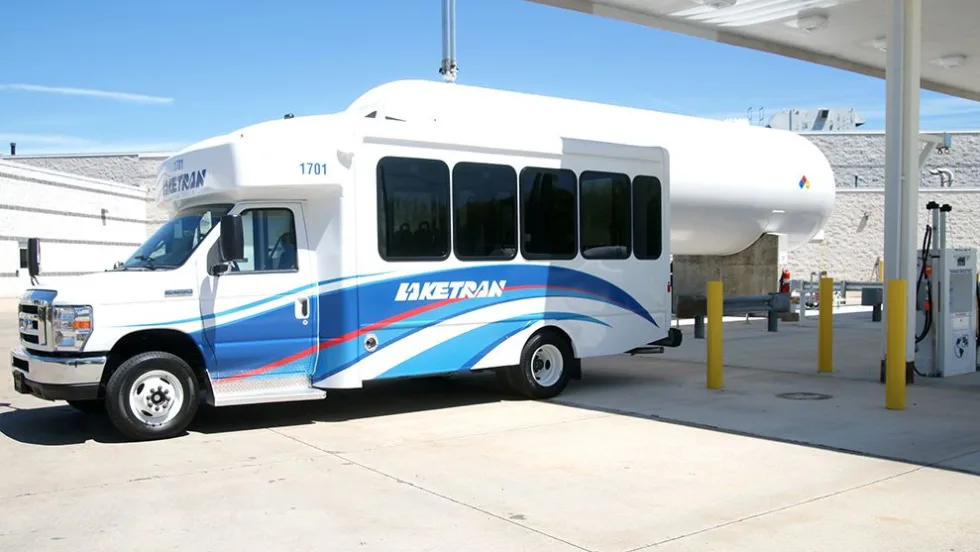
Laketran Cuts Fuel Costs, Boosts Efficiency with Propane-Powered Fleet
The Ohio transit agency is using propane-powered vehicles and on-site fueling infrastructure to cut fuel and maintenance costs while meeting growing demand for paratransit services.
Read More →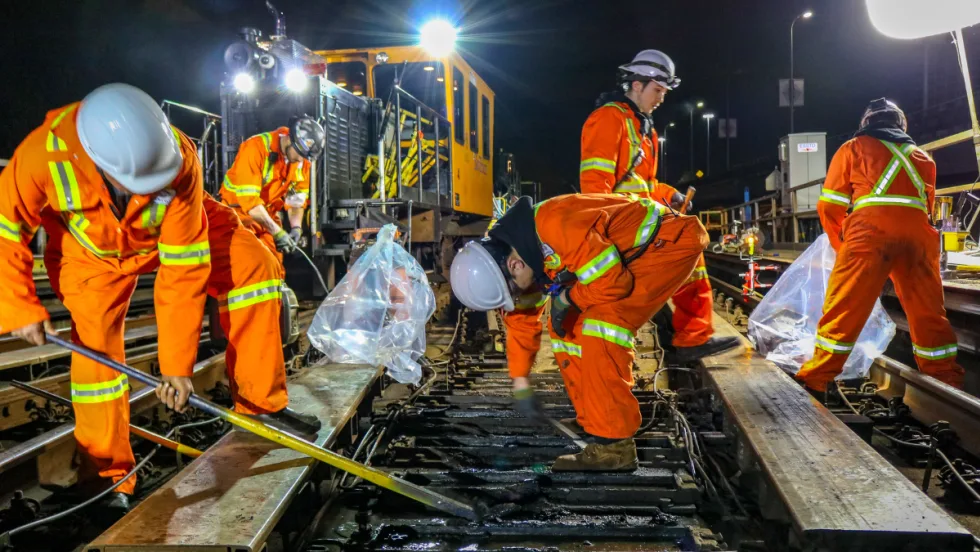
Canada’s Public Transit Supports $65.6 Billion in Annual GDP
New research from the Canadian Chamber of Commerce examines transit's economic contributions, including job creation and the financial implications of transportation investment.
Read More →
Pierce Transit Moves to Expand Fleet Following Proposition 1 Approval
The agency authorized the purchase or refurbishment of up to 60 buses to support a 47% service expansion, as voters nationwide approved billions in new transit funding.
Read More →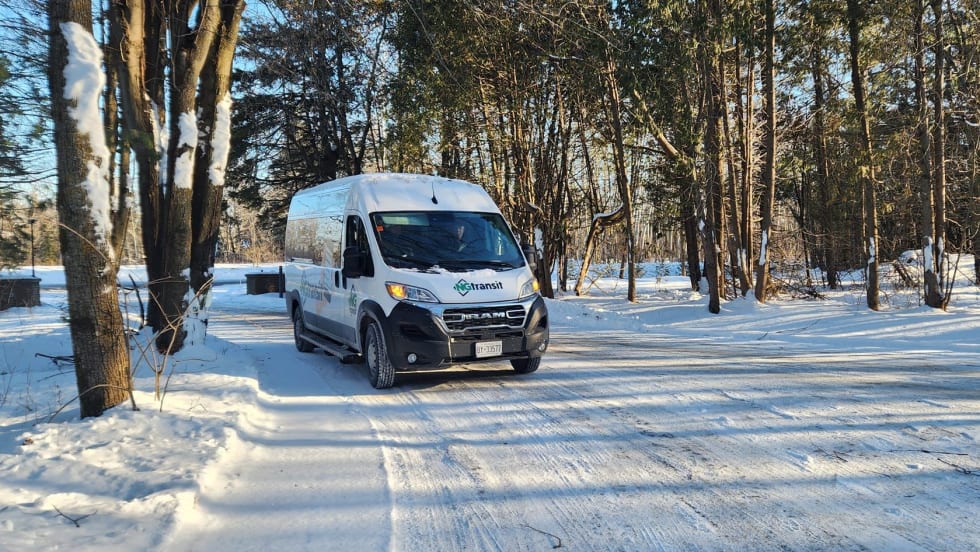
Right-Sizing Rural Transit: Lessons from North Grenville’s On-Demand Model
A small municipality shows how flexible service, rider needs, and public accountability can expand mobility with limited resources.
Read More →
Transit Ballot Victories Signal Strong Voter Support: What Comes Next?
Voters approved billions in public transportation investments in 2026, giving agencies opportunities to preserve service, expand operations, and strengthen regional connections amid a changing political landscape.
Read More →